


 1890
1890 150.0 x 200.0 cm
 Galleria Dell'arte Moderna
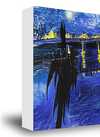
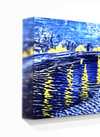
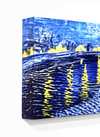
Stampa giclée o su tela di qualità museale, con produzione rapida e diverse opzioni di finitura. ( Passa alla pittura fatta a mano Passa all'immagine)
Scegli tra le nostre dimensioni predefinite, che rispettano le proporzioni originali dell'opera d'arte.

È possibile inserire dimensioni personalizzate per adattare l'opera a una cornice o a uno spazio specifico. Se la dimensione selezionata non corrisponde alle proporzioni dell'immagine originale, procederemo al ritaglio dell'opera o all'estensione dell'immagine con un bordo specchiato o a tinta unita. Un mockup digitale ti verrà inviato per approvazione prima dell'inizio della produzione.
Si prega di notare che l'anteprima a schermo non riflette il ritaglio o l'estensione effettivi. Solo il mockup mostrerà accuratamente la composizione finale.
Sebbene siano disponibili dimensioni personalizzate, si raccomanda di selezionare una dimensione dall'elenco predefinito per preservare le proporzioni originali.
Consegna in tutto il mondo () in 2 settimane invece delle normali 4/5 settimane. (31 Luglio)


Spring
Dimensioni della riproduzione
Adolfo Tommasi, born in Livorno in 1851, emerged as a prominent figure in Italian painting during the late nineteenth century. His artistic journey was marked by a fascination with capturing the essence of Tuscany’s landscapes and rural life—a pursuit that cemented his reputation as one of the foremost practitioners of Tuscan Impressionism.
Tommasi's formative years were spent in Livorno, where he honed his artistic skills under the tutelage of Silvestro Lega, a celebrated Florentine painter who instilled in him a profound appreciation for plein air painting—working directly from nature. Lega’s influence extended beyond technique; it fostered a belief in observing and portraying the world with honesty and sensitivity. Tommasi also briefly studied at Carlo Markò the Younger's academy, though he quickly recognized that academic conventions didn’t align with his artistic vision.
Tommasi’s breakthrough came in 1880 with “Dopo la brinata” (“After the Frost”), a controversial yet undeniably impactful painting depicting a cabbage field ravaged by frost. The artwork sparked considerable debate amongst critics and fellow artists, primarily due to its unflinching portrayal of agricultural hardship. However, it also garnered significant acclaim from luminaries like Signorini and Giovanni Pascoli, who lauded Tommasi’s ability to convey emotion and atmosphere with remarkable precision.
Throughout his career, Tommasi produced numerous landscapes and genre scenes that exemplify the Tuscan Impressionist style. His paintings captured the subtle nuances of light and color—a hallmark of this movement—and conveyed a deep connection to the rural environment. Key achievements included:
Tommasi’s unwavering commitment to naturalistic observation profoundly shaped the trajectory of Tuscan painting. He championed plein air painting—a technique that prioritized direct engagement with the subject matter—and skillfully employed pastel and oil paints to achieve luminous effects and textural richness. His legacy continues to inspire artists today who strive to capture the beauty and complexity of the natural world with authenticity and empathy.
Furthermore, his work served as an important catalyst for discussions about artistic representation and social commentary. “Dopo la brinata,” in particular, challenged conventional aesthetic standards and prompted critical reflection on the realities faced by rural communities.

1851 - 1933


Rimani aggiornato sulle ultime novità dell'arte, sulle offerte esclusive e sulle idee di decorazione.
Raccontaci del tuo progetto e i nostri esperti d'arte ti proporranno 3 suggerimenti artistici personalizzati.
Lascia che ci pensiamo noi: 3 opzioni su misura per te – Gratis!


 Anteprima
 Condividi
 Condividi
 Dettagli

 Scarica immagine
 Articoli simili
 Radiografia
 Slideshow
 Leggi tutto
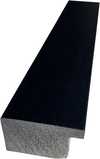
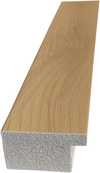
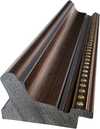
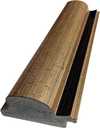
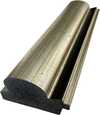
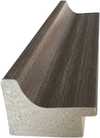
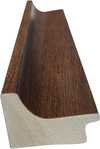
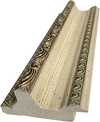
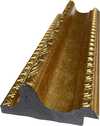
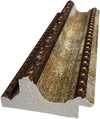
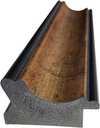
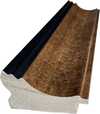
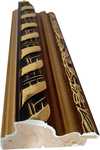
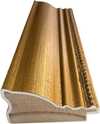
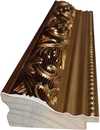
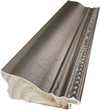
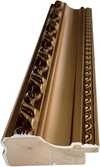
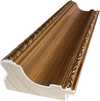
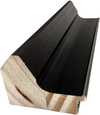
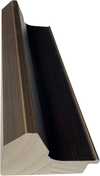
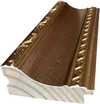
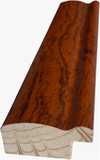
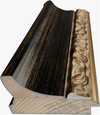
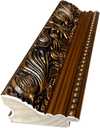

 L'opzione vetro è disponibile solo per dimensioni inferiori a 110 cm


