Anteprima in scala realeAnteprima in scala reale Anteprima in ARAnteprima in AR Passa alla stampa Passa alla stampaPassa all'immagine Passa all'immagine CondividiCondividi
DettagliDettagli Aggiungi ai preferiti Aggiungi ai preferiti Scarica immagineScarica immagine Articoli similiArticoli simili RadiografiaRadiografia SlideshowSlideshow

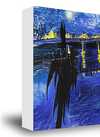
Polyptych

Scopri Andrea da Murano (1462-1512), pittore veneziano celebre per altari e policromie che esprimono l'energia artistica del Rinascimento veneziano. Maestro della scuola di San Marco e innovatore nella resa cromatica, la sua arte immortala bellezza e spiritualità.

Riproduzione a olio fatta a mano

Olio su tela dipinto a mano nelle tue dimensioni e con la tua cornice, realizzato su ordinazione dai nostri artisti. (Passa alla stampa Passa alla stampaPassa all'immagine Passa all'immagine)

Standard
custom
CM
INCH

Scegli tra le nostre dimensioni predefinite, che rispettano le proporzioni originali dell'opera d'arte.

larghezza
altezza

È possibile inserire dimensioni personalizzate per adattare l'opera a una cornice o a uno spazio specifico. Se la dimensione selezionata non corrisponde alle proporzioni dell'immagine originale, provvederemo a ritagliare l'opera o a estendere il dipinto con elementi aggiuntivi dipinti a mano. Un mockup digitale ti sarà inviato per approvazione prima dell'inizio della produzione.
Si prega di notare che l'anteprima a schermo non riflette il ritaglio o l'estensione effettivi. Solo il mockup mostrerà accuratamente la composizione finale.
Sebbene siano disponibili dimensioni personalizzate, consigliamo di selezionare una dimensione dall'elenco predefinito per preservare le proporzioni originali.

Esempi di personalizzazione: sostituire il volto con una foto del cliente; aggiungere un animale domestico (ad esempio, sostituire un gatto con un cane); inserire un messaggio nascosto nello sfondo; cambiare il paesaggio o gli elementi dello sfondo.
Dopo l'ordine, il team di BuyPopArt.com contatterà il cliente via e-mail per le istruzioni e fornirà un'anteprima del mockup

Consegna in tutto il mondo () in 3/4 settimane anziché nelle normali 5 settimane. (4 Agosto). Nessun compromesso sulla qualità.

why_choose_icon
Spedizione espressa gratuita in tutto il mondo
why_choose_icon
Tela in lino di alta qualità
why_choose_icon
Assicurazione completa sulla spedizione
why_choose_icon
Garanzia di rimborso dei dazi doganali
why_choose_icon
Garanzia di fedeltà cromatica dell'originale
why_choose_icon
Politica di reso entro 60 giorni (solo per difetti di fabbricazione)
why_choose_icon
Garanzia di rimborso al 100%
why_choose_icon
Sconto per acquisti multipli

Prezzo totale

$ 288

reproduction

Polyptych

Tecnica di riproduzione

Dimensioni della riproduzione

-

Prezzo totale

$ 288

Descrizione dell'opera

The Polyptych by Andrea Da Murano is a stunning example of Renaissance art, showcasing the artist's skill and devotion to his craft. Created in 1478, this tempera on panel work measures 152 x 88 cm and is housed at the Gallerie dell'Accademia in Venice, Italy.
The painting is divided into three sections or panels, each depicting a different scene. The top panel features a group of figures that seem to be religious in nature, possibly saints or angels, given their attire and the presence of what looks like a holy book or scripture. The central figure is holding an object that could be interpreted as a symbol of faith or devotion.

Artistic Style and Composition

The painting style is reminiscent of the Renaissance period, characterized by its attention to detail, use of perspective, and realistic human figures. The colors are vibrant, with a predominance of reds, blues, and yellows, which adds to the richness of the scene. The overall composition suggests that this could be a triptych or a series of panels meant to tell a story or convey a philosophical message.
Other notable artists of the Renaissance period include Giovanni Bellini, who created the famous Madonna with Child painting, and Bartolomeo Vivarini, who painted the Conversano Polyptych. These paintings can be found at the Gallerie dell'Accademia in Venice, Italy, and are a testament to the artistic skill and innovation of the time. For more information on these paintings, visit Andrea Da Murano: Polyptych and Bartolomeo Vivarini: Conversano Polyptych.

Importance of the Painting

The Polyptych by Andrea Da Murano is an important work of art, not only for its beauty and composition but also for its historical significance. It provides a glimpse into the artistic and cultural values of the Renaissance period and showcases the skill and craftsmanship of the artist.
  • The painting is a prime example of Renaissance art, characterized by its use of perspective, realistic human figures, and vibrant colors.
  • The composition suggests that this could be a triptych or a series of panels meant to tell a story or convey a philosophical message.
  • The painting is housed at the Gallerie dell'Accademia in Venice, Italy, which is home to many other notable works of art from the Renaissance period, including paintings by Giovanni d'Alemagna, see more on Giovanni d'Alemagna.

Biografia dell'artista

Andrea da Murano: Venetian Renaissance Master

Andrea da Murano (1462 – 1512) stands as a pivotal figure in the Venetian Renaissance, celebrated for his masterful execution of altarpieces and polyptychs—complex religious paintings that embody the artistic fervor of the era. Born in Venice, he emerged from a family steeped in artistic tradition, inheriting skills honed by his father, Giovanni Bellini, arguably Venice’s most influential painter of the preceding generation. This lineage instilled within him an unwavering dedication to capturing spiritual grandeur and humanist ideals through meticulous observation and skillful technique.

Early Career & Collaboration with Bartolomeo Vivarini

Andrea's artistic journey commenced in 1468 when he was entrusted with a monumental commission alongside Bartolomeo Vivarini – the decoration of the scuola di san marco, Venice’s prestigious confraternity school dedicated to Saint Mark the Evangelist. This collaboration marked an auspicious beginning, exposing him to Vivarini’s innovative approach to color and composition—a style characterized by luminous hues and dynamic spatial arrangements that would become hallmarks of his oeuvre. The Scuola di San Marco project solidified Andrea's reputation as a rising talent within Venetian artistic circles. Vivarini’s influence is palpable in Andrea’s use of bold colors and ambitious architectural perspectives, reflecting the broader stylistic trends shaping Venetian art during this period.

Studio Life & Artistic Development

By 1472, Andrea established a studio in Santa Maria Formosa, Venice, alongside his brother, girolamo, who specialized in engraving. This collaborative environment fostered intellectual exchange and propelled the advancement of both artists’ skills. During this period, he actively participated in artistic discussions and absorbed influences from contemporary masters like Piero della Francesca and Antonello da Messina—artists whose humanist sensibilities resonated deeply with Andrea's own aesthetic convictions. His early works demonstrate a remarkable sensitivity to detail and an unwavering commitment to portraying human emotion with profound realism. He meticulously studied anatomy and drapery, mirroring the Renaissance preoccupation with classical ideals of beauty and proportion.

Notable Achievements: Altarpieces & Venetian Iconography

Andrea’s artistic prowess culminated in several significant commissions, notably the altarpiece for Santa Maria di Trebaseleghe in Treviso (circa 1499) and the monumental altarpiece for Mussolente (circa 1502). These paintings exemplify his mastery of Venetian iconography—the stylized representation of saints and biblical figures—infused with vibrant color palettes and intricate decorative elements. The Triptych depicting Saints Sebastian, Vincent Ferrer, Roch, and four others with St Peter and the Madonna della misericordia (1475), housed in the Gallerie dell’Accademia of Venice, remains a testament to his artistic brilliance and exemplifies the stylistic innovations prevalent during the Venetian Renaissance. It is considered one of Andrea's most important works, showcasing his ability to convey spiritual depth through masterful visual storytelling. The meticulous layering of paint and the subtle gradations of color achieved by Murano underscore the importance of technique in conveying emotion and enhancing the overall impact of the artwork.

Legacy & Influence

Andrea da Murano’s contribution to Venetian art extended beyond individual masterpieces; he profoundly influenced subsequent generations of painters—particularly El Greco, who traveled to Venice and absorbed the stylistic precepts of Murano’s workshop. His meticulous technique, combined with his humanist vision, cemented his place as a cornerstone of Venetian Renaissance artistic heritage. Andrea da Murano's legacy continues to inspire artists today, reminding us of the enduring power of art to illuminate faith, beauty, and human experience. He is remembered not only for his stunning visual achievements but also for his role in shaping the intellectual landscape of Venice during its golden age—a testament to his multifaceted contribution to Western artistic history.
Andrea da Murano

Andrea da Murano

1462 - 1512 , Italy

Informazioni rapide

  • Artistic Movement Or Style: Early Renaissance
  • Artists Who Influenced This Artist: ['Bartolomeo Vivarini']
  • Date Of Birth: Venice, Italy (1462)
  • Date Of Death: 1512
  • Full Name: Andrea da Murano
  • Nationality: Italian
  • Notable Artworks:
    • Polyptych
    • Pitcher and basin
    • Triptych depicting saints sebastian, vincent ferrer, roch, and four others with st peter and the madonna della misericordia
  • Place Of Birth: Venice