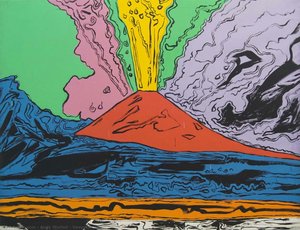
Olio su tela dipinto a mano nelle tue dimensioni e con la tua cornice, realizzato su ordinazione dai nostri artisti. ( Passa alla stampa Passa all'immagine)





























Scegli tra le nostre dimensioni predefinite, che rispettano le proporzioni originali dell'opera d'arte.

È possibile inserire dimensioni personalizzate per adattare l'opera a una cornice o a uno spazio specifico. Se la dimensione selezionata non corrisponde alle proporzioni dell'immagine originale, provvederemo a ritagliare l'opera o a estendere il dipinto con elementi aggiuntivi dipinti a mano. Un mockup digitale ti sarà inviato per approvazione prima dell'inizio della produzione.
Si prega di notare che l'anteprima a schermo non riflette il ritaglio o l'estensione effettivi. Solo il mockup mostrerà accuratamente la composizione finale.
Sebbene siano disponibili dimensioni personalizzate, consigliamo di selezionare una dimensione dall'elenco predefinito per preservare le proporzioni originali.
Consegna in tutto il mondo () in 3/4 settimane anziché nelle normali 5 settimane. (10 Agosto). Nessun compromesso sulla qualità.


Ali
Dimensioni della riproduzione
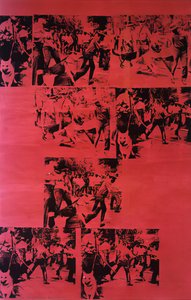
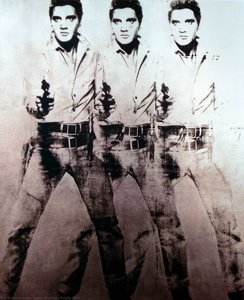
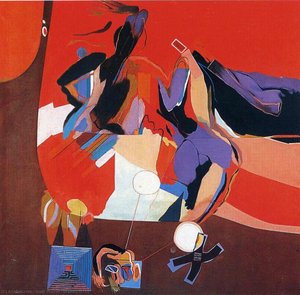
Andy Warhol’s “Ali,” painted in 1964, stands as a quintessential emblem of Pop Art—a movement that irrevocably shattered the conventions of fine art and ushered in an era defined by its engagement with popular culture. More than just a depiction of a boxer's arm clutching a red glove, it embodies Warhol’s revolutionary approach to artistic representation: stripping away illusionistic depth and embracing vibrant hues as primary vehicles for conveying emotion and meaning.
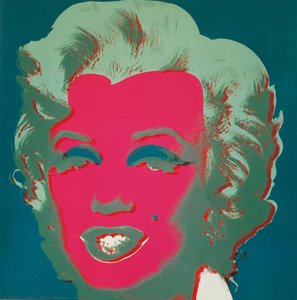
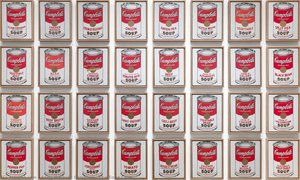
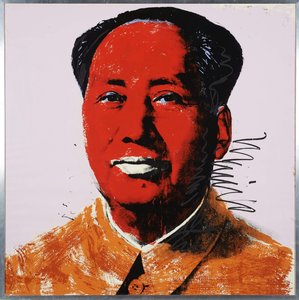
Warhol’s technique—silkscreen printing—was deliberately chosen to mimic the repetitive processes of mass production. Utilizing photographic images sourced from magazines, he meticulously transferred them onto canvases coated with emulsion paint. Then, through a series of screens imprinted with halftone dots – tiny circles that create a mottled effect – Warhol applied layers of pigment in bold blocks of color. This method wasn’t merely efficient; it was conceptually significant—demonstrating Warhol's belief that art could derive its power from mirroring the visual language of advertising and everyday life.
The painting’s historical context is inextricably linked to the burgeoning optimism of the mid-1960s, a period marked by social upheaval yet simultaneously fueled by unprecedented economic prosperity. Warhol positioned himself at the forefront of this cultural transformation, capturing the zeitgeist—the spirit of the age—with unflinching precision. “Ali” reflects the fascination with celebrity and spectacle that characterized the era, elevating the seemingly mundane image of a boxer’s hand to monumental proportions.
Symbolically, the red glove serves as a potent emblem of aggression and protection – mirroring the physical confrontation inherent in boxing but also representing Warhol's desire to safeguard his artistic vision amidst criticism from established art critics. The stark blue background amplifies the impact of the crimson hue, creating a dynamic interplay between color that underscores the painting’s emotional intensity.
Ultimately, “Ali” transcends its literal subject matter to resonate with viewers on a profound level. Warhol's masterful manipulation of color and texture compels us to confront questions about perception, representation, and the relationship between art and commerce. It remains an enduring testament to Pop Art’s audacious challenge to artistic dogma—a celebration of boldness, vibrancy, and the transformative potential of embracing the visual culture of our time.
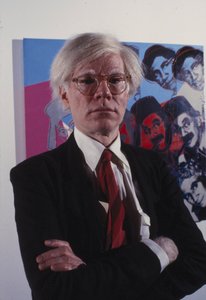
1928 - 1987 , Stati Uniti d'America
Trasforma la tua passione per l'arte pop e il mondo fandom in un ambiente sofisticato! Guida esperta all'arredamento di design, materiali pregiati e consigli esclusivi. Scopri come creare uno spazio unico e di valore.
Esplora l'universo artistico di Andy Warhol e la rivoluzione della Pop Art. Analisi approfondite, tecniche serigrafiche, valore delle opere e consigli per collezionisti esperti. Scopri il suo impatto sull'arte contemporanea.
Explore the fascinating relationship between color & emotion in art history. Discover how master artists like Matisse & Gauguin used vibrant hues to evoke feelings and cultural meanings. A deep dive for classic art enthusiasts.
Esplora i 25 capolavori di Henri Matisse, il maestro del fauvismo e dei colori vivaci. Scopri la storia, lo stile unico e l'impatto culturale di ogni dipinto. Trova riproduzioni arte di alta qualità per decorare casa tua su BuyPopArt.com.
Esplora i 10 capolavori Pop Art di Andy Warhol, Roy Lichtenstein e altri maestri. Scopri la storia, le tecniche e l'impatto culturale di questo rivoluzionario movimento artistico. Trova riproduzioni artistiche di alta qualità su !


Rimani aggiornato sulle ultime novità dell'arte, sulle offerte esclusive e sulle idee di decorazione.
Raccontaci del tuo progetto e i nostri esperti d'arte ti proporranno 3 suggerimenti artistici personalizzati.
Lascia che creiamo per te una selezione di 3 opzioni su misura – Gratis!


 Anteprima in scala reale
 Condividi
 Condividi
 Dettagli

 Scarica immagine
 Articoli simili
 Radiografia
 Slideshow
 Leggi tutto







 L'opzione vetro è disponibile solo per dimensioni inferiori a 110 cm