Acquista un'immagine digitale ad alta risoluzione e ottimizzata, di qualità nettamente superiore all'anteprima online.
Ogni file è meticolosamente preparato dai nostri specialisti interni attraverso l'uso di strumenti avanzati e un sapiente ritocco manuale. Garantiamo che ogni immagine presenti una chiarezza eccezionale, una precisione cromatica impeccabile e dettagli raffinati.
Il file finale viene consegnato via e-mail entro 72 ore, ottimizzato per un uso immediato in contesti professionali, editoriali e di stampa. Si tratta della stessa qualità affidata dai più prestigiosi studi di design, editori e gallerie d'arte.
Scarica un file ad alta risoluzione per uso personale, per la stampa e per progetti creativi. ( Passa alla stampa Passa alla pittura fatta a mano)
Quando scegli BuyPopArt.com, non riceverai solo un'immagine: riceverai un'opera d'arte digitale professionalmente ottimizzata, realizzata con la massima precisione e accompagnata da una garanzia di soddisfazione. Ecco tutto ciò che include il tuo ordine, automaticamente:

Riceverai il file dell'immagine digitale ad alta risoluzione via email entro 72 ore dall'ordine, pronto per un uso immediato.

La tua opera d'arte viene ottimizzata professionalmente attraverso l'uso di strumenti avanzati di intelligenza artificiale e una revisione manuale, garantendo il massimo livello di dettaglio, nitidezza e accuratezza cromatica.

Hai eliminato o perso accidentalmente il tuo file? Non preoccuparti: te lo invieremo di nuovo in qualsiasi momento, gratuitamente.

Goditi la tua opera d'arte istantaneamente senza costi doganali, dazi o spese di spedizione: i download digitali sono sempre esenti da tasse.

Garantiamo che la tua immagine digitale rifletta i colori originali con la massima fedeltà, grazie all'uso di strumenti professionali e a una gestione accurata del colore.

Se non sei soddisfatto della tua immagine digitale, la revisioneremo o ti rimborseremo il 100% entro 60 giorni, senza domande.

Non sei soddisfatto? Ricevi un rimborso completo entro 60 giorni dalla ricezione del tuo file digitale, senza dover fornire spiegazioni.

Acquista 3 immagini, risparmia il 10% - Acquista 5, risparmia il 15% - Acquista 10+, risparmia il 20%. Ideale per progetti creativi, gallerie e agenzie.
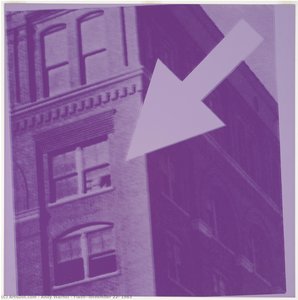
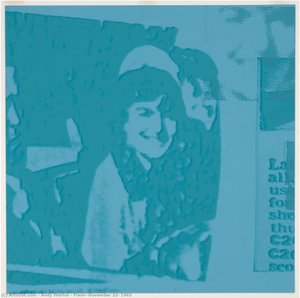
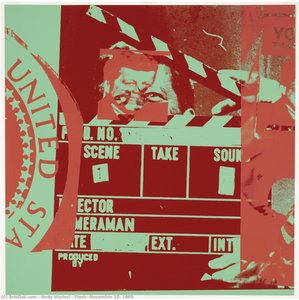
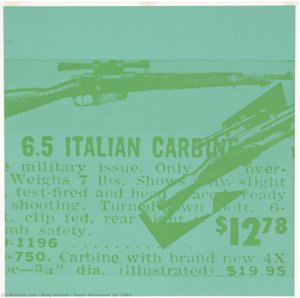
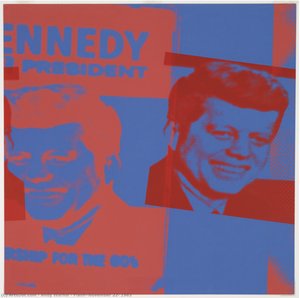
Andy Warhol's "Flash—November 22, 1963" isn’t simply an image; it’s a haunting echo of a nation’s collective trauma. Created in 1968, five years after the assassination of President John F. Kennedy, this series of screenprints doesn’t attempt to *depict* the event itself, but rather to dissect and reflect upon its pervasive presence in the media landscape. The stark black and white photograph featured within the series—a man in a suit, gazing directly at the viewer—becomes a vessel for our own memories and anxieties surrounding that fateful day. It’s a face stripped of context, yet brimming with unspoken emotion, forcing us to confront not just the tragedy, but *how* we processed it.
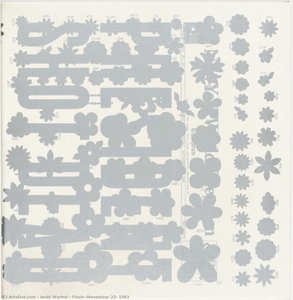
Warhol, having risen through the ranks of commercial illustration, possessed an acute understanding of mass production and its impact on perception. “Flash—November 22, 1963" is part of a larger series of eleven screenprints, each drawing from campaign posters, news photographs, and advertisements circulating at the time. This deliberate repetition mirrors the relentless media coverage that saturated American homes in November 1963, creating a sense of overwhelming information and emotional fatigue. The image itself, seemingly straightforward, is imbued with a chilling detachment, reflecting Warhol’s observation that television had “programmed everybody to feel so sad,” even if the feeling felt manufactured or imposed.
While appearing devoid of overt symbolism, the power of "Flash—November 22, 1963" lies in its deliberate ambiguity. The man’s suit and tie suggest authority and formality, perhaps representing the political establishment irrevocably altered by the assassination. His direct gaze challenges the viewer, demanding acknowledgement of the event’s lasting impact. The blurry background further emphasizes this sense of disorientation and loss of clarity—a visual metaphor for a nation struggling to make sense of an unthinkable act. The series as a whole is accompanied by Teletype reports, adding another layer of textual information that underscores Warhol’s exploration of how media shapes our understanding of reality. It's not about the *truth* of Kennedy’s death, but the constructed narrative surrounding it.
Andy Warhol was a pivotal figure in the Pop Art movement, challenging traditional notions of artistic value and subject matter. He elevated everyday objects and images—soup cans, celebrities, news headlines—to the realm of high art, forcing viewers to reconsider their relationship with consumer culture and mass media. “Flash—November 22, 1963" exemplifies this approach, transforming a deeply personal tragedy into a commentary on the spectacle of grief and the power of visual communication. Today, his work continues to resonate because it speaks to our contemporary obsession with celebrity, image, and the constant bombardment of information. A reproduction of this piece isn’t just an aesthetic addition to a space; it's a conversation starter, a reminder of a pivotal moment in history, and a testament to Warhol’s enduring artistic vision.
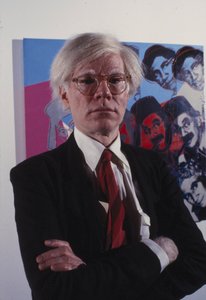
1928 - 1987 , Stati Uniti d'America


Rimani aggiornato sulle ultime novità dell'arte, sulle offerte esclusive e sulle idee di decorazione.
Raccontaci del tuo progetto e i nostri esperti d'arte ti proporranno 3 suggerimenti artistici personalizzati.
Lascia che ci pensiamo noi: 3 opzioni su misura per te – Gratis!


 Anteprima
 Condividi
 Condividi
 Dettagli

 Scarica immagine
 Articoli simili
 Radiografia
 Slideshow

 Leggi tutto