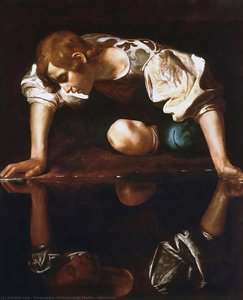
Acrilico su telaArte da pareteBaroque
 1596Rinascimento
 94.0 x 119.0 cm
 Museo dell'Ermitage
Stampa giclée o su tela di qualità museale, con produzione rapida e diverse opzioni di finitura. ( Passa alla versione dipinta a mano Passa all'immagine)





























Scegli tra le nostre dimensioni predefinite, che rispettano le proporzioni originali dell'opera d'arte.

È possibile inserire dimensioni personalizzate per adattare l'opera a una cornice o a uno spazio specifico. Se la dimensione selezionata non corrisponde alle proporzioni dell'immagine originale, procederemo al ritaglio dell'opera o all'estensione dell'immagine con un bordo specchiato o a tinta unita. Un mockup digitale ti verrà inviato per approvazione prima dell'inizio della produzione.
Si prega di notare che l'anteprima a schermo non riflette il ritaglio o l'estensione effettivi. Solo il mockup mostrerà accuratamente la composizione finale.
Sebbene siano disponibili dimensioni personalizzate, si raccomanda di selezionare una dimensione dall'elenco predefinito per preservare le proporzioni originali.
Consegna in tutto il mondo () in 2 settimane invece delle normali 4/5 settimane. (5 Agosto)


Muzico per liuto
Dimensioni della riproduzione
Michelangelo Merisi da Caravaggio (1571–1610), universally known as Caravaggio, stands as one of the most influential figures in Baroque art. His revolutionary approach to painting—characterized by dramatic chiaroscuro, intense realism, and psychological depth—continues to captivate audiences centuries later. This essay delves into the intricacies of “The Lute Player,” examining its artistic merits, historical significance, and enduring legacy.
Background: Caravaggio’s early biographer Giovanni Baglione recounts a tale that encapsulates his artistic vision: he painted for Cardinal Francesco Maria del Monte a young man who played the lute. The artist meticulously recreated the scene—a carafe of flowers brimming with water reflecting in a window, overlaid with shimmering dew—capturing not merely visual accuracy but also an overwhelming sense of vitality and truthfulness.
The Composition: “The Lute Player” depicts a young woman absorbed in music, her eyes closed as she performs. The lute itself dominates the foreground, positioned prominently before her gaze. Two vases—one on the upper left corner and another on the lower right—add to the compositional complexity, creating depth and visual interest. Beneath the lute rests a book, suggesting that the musician is accompanied by sheet music.
Symbolism and Elements: The inclusion of fruits—apples in the lower left and oranges near the upper right—serves as more than mere decorative embellishment; they symbolize abundance and harmony, mirroring the overarching theme of serenity conveyed by Caravaggio. Furthermore, the cracked lute embodies the transient nature of beauty and life.
Versions and Exhibitions: Three versions of “The Lute Player” exist—the original housed at Badminton House since 2001, another residing in the Wildenstein Collection, and a third part of the Hermitage Museum’s holdings. The Hermitage and Badminton House versions were showcased together in St. Petersburg in 2020, offering visitors an unparalleled opportunity to contemplate Caravaggio's genius alongside its counterpart.
Artistic Influence: Caravaggio’s stylistic innovations profoundly impacted subsequent artists such as Diego Velázquez, whose portraits—particularly “Head of a Man”—demonstrate the enduring influence of Caravaggio’s technique. His approach to capturing human emotion and portraying realistic detail continues to inspire painters today.
Reproductions and Prints: BuyPopArt.com presents meticulously crafted oil painting reproductions and prints on canvas of celebrated artworks, including “The Lute Player.” These reproductions faithfully preserve the essence of Caravaggio’s masterpiece, allowing art enthusiasts to experience its beauty firsthand.
Conclusion Caravaggio’s “The Lute Player” remains an emblem of Baroque artistry—a testament to his mastery of light and shadow, coupled with his profound understanding of human psychology. This painting continues to resonate with viewers worldwide, cementing Caravaggio's place as one of the most revered painters in history.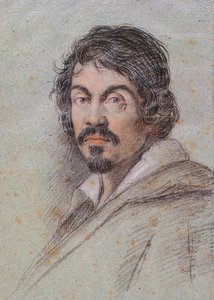
1571 - 1610 , Spagna

Explore the dramatic world of Baroque art! Discover iconic artists like Caravaggio & Rubens, defining techniques, and its lasting impact on art history. Expert insights for collectors & enthusiasts at BuyPopArt.

Esplora i 10 capolavori barocchi di Caravaggio, Bernini e Rembrandt che hanno rivoluzionato l'arte. Scopri storie, tecniche e colori iconici. Trova riproduzioni d'arte di alta qualità per la tua casa su !

Explore the dramatic world of Baroque Realism! Discover iconic artists like Caravaggio & Rubens, their techniques, and the movement's lasting impact on art history. Expert insights for collectors & enthusiasts.

Explore the dramatic world of Baroque art! Discover iconic masters like Caravaggio & Rembrandt, their techniques, and the movement's lasting impact. Expert insights for collectors & enthusiasts at BuyPopArt.

Esplora la rivoluzionaria arte di Caravaggio: il tenebrismo, il realismo radicale e l'intensa rappresentazione della condizione umana. Analisi approfondite delle sue opere più iconiche.


Rimani aggiornato sulle ultime novità dell'arte, sulle offerte esclusive e sulle idee di decorazione.
Raccontaci del tuo progetto e i nostri esperti d'arte ti proporranno 3 suggerimenti artistici personalizzati.
Lascia che creiamo per te una selezione di 3 opzioni su misura – Gratis!


 Anteprima in scala reale
 Condividi
 Condividi
 Dettagli

 Scarica immagine
 Articoli simili
 Radiografia
 Slideshow
 Leggi tutto







 L'opzione vetro è disponibile solo per dimensioni inferiori a 110 cm