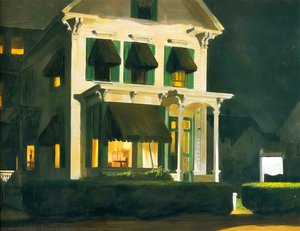
Stampa giclée o su tela di qualità museale, con produzione rapida e diverse opzioni di finitura. ( Passa alla versione dipinta a mano Passa all'immagine)





























Scegli tra le nostre dimensioni predefinite, che rispettano le proporzioni originali dell'opera d'arte.

È possibile inserire dimensioni personalizzate per adattare l'opera a una cornice o a uno spazio specifico. Se la dimensione selezionata non corrisponde alle proporzioni dell'immagine originale, procederemo al ritaglio dell'opera o all'estensione dell'immagine con un bordo specchiato o a tinta unita. Un mockup digitale ti verrà inviato per approvazione prima dell'inizio della produzione.
Si prega di notare che l'anteprima a schermo non riflette il ritaglio o l'estensione effettivi. Solo il mockup mostrerà accuratamente la composizione finale.
Sebbene siano disponibili dimensioni personalizzate, si raccomanda di selezionare una dimensione dall'elenco predefinito per preservare le proporzioni originali.
Consegna in tutto il mondo () in 2 settimane invece delle normali 4/5 settimane. (10 Agosto)


Manhattan Bridge Loop
Dimensioni della riproduzione
Edward Hopper’s “Manhattan Bridge Loop,” completed in 1928, isn't merely a depiction of a New York City street; it’s a masterful distillation of the anxieties and quiet contemplations characteristic of the Jazz Age. This iconic painting transcends its visual simplicity to deliver a profound statement about human experience within the sprawling metropolis.
The canvas captures an early morning scene overlooking Manhattan Bridge, bathed in diffused light that casts long shadows across the pavement. Hopper meticulously renders the architectural details – the brick building on the left and the towering skyscraper on the right – creating a palpable sense of urban scale. Two figures occupy the frame: a solitary man walking away from the bridge, seemingly absorbed in his own thoughts, and another person positioned near the bottom-right corner, gazing out at the cityscape.
Hopper employed a distinctive style rooted in realism but imbued with an emotional resonance that distinguishes it from straightforward observation. His palette is muted—primarily browns, grays, and rusty hues—reflecting the bleakness of the urban environment. The artist skillfully utilizes chiaroscuro – dramatic contrasts between light and shadow – to heighten the sense of isolation and emphasize the figures’ vulnerability against the immensity of the cityscape. Hopper's brushstrokes are deliberate and controlled, conveying a stillness that invites contemplation.
“Manhattan Bridge Loop” emerged during a period marked by significant social and cultural shifts following World War I. The painting reflects the disillusionment felt by many Americans grappling with the loss of traditional values and facing an increasingly impersonal urban landscape. Hopper’s work aligns with the broader artistic movement known as American Regionalism, which sought to portray the realities of everyday life in rural America and urban centers alike.
Beyond its visual representation, “Manhattan Bridge Loop” operates on a symbolic level. The solitary man embodies the pervasive feeling of alienation that permeated modern society—a yearning for connection amidst overwhelming anonymity. Hopper’s careful positioning of the figures encourages viewers to consider their own role in observing and experiencing the world around them. The bridge itself serves as a visual metaphor for transition, separation, and perhaps even escape from the pressures of urban life.
"Manhattan Bridge Loop" lingers in the mind long after viewing it. Hopper’s masterful use of light and shadow evokes a palpable sense of melancholy—a quiet acknowledgement of solitude and the complexities of human emotion. It's a painting that invites introspection, prompting viewers to confront questions about identity, purpose, and the relationship between individuals and their surroundings. This enduring appeal testifies to Hopper’s ability to capture not just what he saw but also what he felt.
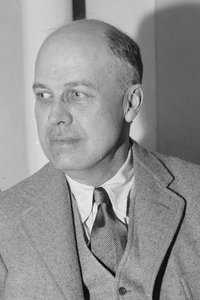
1931 - 1967 , Stati Uniti d'America

Esplora il mondo di Edward Hopper, maestro del realismo americano. Analisi approfondite delle sue opere più iconiche, la poetica della solitudine urbana e l'influenza sull'arte moderna. Scopri la sua eredità con BuyPopArt.

Explore the captivating work of Henry Marvell Carr, a pivotal figure in American Impressionism. Discover his evocative realism, war art, and cultural depictions – a journey through light, form, and legacy.

Esplora i 10 capolavori del Realismo Americano con BuyPopArt. Scopri Andrew Wyeth, Edward Hopper e George Bellows. Quadri iconici, storie uniche e riproduzioni di alta qualità per la tua casa. Esplora la collezione online!

Explore the revolutionary Ashcan School! Discover how artists like Henri & Sloan challenged tradition with gritty realism, capturing urban life in early 20th-century America. Learn about their impact on American art history.
Explore the powerful social commentary & artistic representation of American Realism. Discover key artists like Bellows & Sloan, and understand the movement's lasting impact on 20th-century art history.


Rimani aggiornato sulle ultime novità dell'arte, sulle offerte esclusive e sulle idee di decorazione.
Raccontaci del tuo progetto e i nostri esperti d'arte ti proporranno 3 suggerimenti artistici personalizzati.
Lascia che creiamo per te una selezione di 3 opzioni su misura – Gratis!


 Anteprima in scala reale
 Condividi
 Condividi
 Dettagli

 Scarica immagine
 Articoli simili
 Radiografia
 Slideshow

 Leggi tutto







 L'opzione vetro è disponibile solo per dimensioni inferiori a 110 cm