Acquista stampa Acquista stampaAcquista download Acquista download InviaInvia
Dettagli operaDettagli opera Aggiungi ai preferiti Aggiungi ai preferiti ScaricaScarica SimiliSimili RadiografiaRadiografia SlideshowSlideshow

Acrobats

Experience the bold geometric style of Fernand Léger’s ‘Acrobats,’ capturing the energy of the machine age through stark black and white contrasts. This iconic Cubist painting invites you to explore timeless artistry and bring a piece of modern history into your home.

Esplora l'arte di Fernand Léger (1881-1955), un pioniere del Cubismo e della 'Tubismo'. Scopri i suoi audaci dipinti figurativi che celebrano la vita moderna, le macchine e la forma umana. Un precursore del Pop Art!

Riproduzione a olio fatta a mano

Olio su tela dipinto a mano nelle tue dimensioni e con la tua cornice, realizzato su ordinazione dai nostri artisti.

P118B $10
P118H $10
P118W $10
P438Z $10
P508JH $12
P508YH $12
P805H $10
P805Z $10
P919BZ $10
P919G $10
P919XJ $10
P959ZH $10
P968JZ $12
W106C $8
W218G $10
W218JH $8
W218Y $10
W307PJ $10
W316G $10
W316PJ $8
W316Y $10
W398PJ $8
W4111J $10
W500HY $15
W500JH $15
W692G $12
W849H $8
W940BG $15
W953PJ $8

Standard
custom
CM
INCH

Scegli tra le nostre dimensioni predefinite, che rispettano le proporzioni originali dell'opera d'arte.

larghezza
altezza

È possibile inserire dimensioni personalizzate per adattare l'opera a una cornice o a uno spazio specifico. Se la dimensione selezionata non corrisponde alle proporzioni dell'immagine originale, provvederemo a ritagliare l'opera o a estendere il dipinto con elementi aggiuntivi dipinti a mano. Un mockup digitale ti sarà inviato per approvazione prima dell'inizio della produzione.
Si prega di notare che l'anteprima a schermo non riflette il ritaglio o l'estensione effettivi. Solo il mockup mostrerà accuratamente la composizione finale.
Sebbene siano disponibili dimensioni personalizzate, consigliamo di selezionare una dimensione dall'elenco predefinito per preservare le proporzioni originali.

Esempi di modifiche possibili: sostituire il volto con una foto del cliente; aggiungere un animale domestico (ad esempio, sostituire un gatto con un cane); inserire un messaggio nascosto sullo sfondo; modificare il paesaggio o gli elementi dello sfondo.
Dopo l'ordine, il team di BuyPopArt.com invierà un'e-mail al cliente per le istruzioni e fornirà un'anteprima del mockup

Consegna in tutto il mondo () in 3/4 settimane anziché nelle normali 5 settimane. (18 Luglio). Nessun compromesso sulla qualità.

why_choose_icon
Spedizione espressa gratuita in tutto il mondo
why_choose_icon
Tela in lino di alta qualità
why_choose_icon
Assicurazione completa sulla spedizione
why_choose_icon
Garanzia di rimborso dei dazi doganali
why_choose_icon
Garanzia di fedeltà cromatica
why_choose_icon
Politica di reso entro 60 giorni (solo per difetti)
why_choose_icon
Garanzia di rimborso al 100%
why_choose_icon
Sconto per acquisti multipli

Prezzo totale

-

reproduction

Acrobats

Tecnica di riproduzione

Dimensioni riproduzione

-

Prezzo totale finale

-

Informazioni rapide

  • Artist: Fernand Léger
  • Title: Acrobats
  • Artistic style: Cubist
  • Movement: Cubism
  • Subject or theme: Acrobatics
  • Medium: Oil on canvas
  • Dimensions: 49 x 45 cm

Descrizione dell'opera

A Symphony of Form and Rhythm: Exploring Fernand Léger’s Acrobats

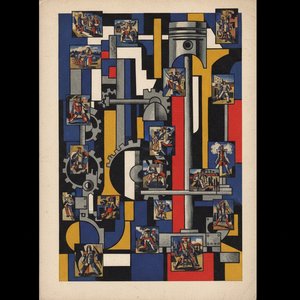
The painting “Acrobats” by Fernand Léger, measuring 49 x 45 cm, transcends mere depiction; it embodies a profound engagement with the burgeoning industrial landscape of the early twentieth century. Léger wasn't merely reacting to the rapid advancements of technology; he was actively attempting to translate its energy and geometric precision into a visual language that would resonate with viewers long after the era’s initial fervor had subsided. This ambitious undertaking resulted in a masterpiece that continues to captivate audiences today, offering a glimpse into the artist’s singular vision and his contribution to the birth of Cubism.

The Essence of Cubist Innovation

Léger's stylistic approach firmly establishes him within the influential movement of Cubism pioneered by Pablo Picasso and Georges Braque. Unlike Impressionists who prioritized capturing fleeting moments of light and color, Cubists dismantled traditional perspective, fracturing objects into multiple planes that simultaneously present different viewpoints. In “Acrobats,” this technique is brilliantly executed—the figures aren’t rendered as unified forms but rather dissected into angular shards, revealing underlying geometric structures. This deliberate fragmentation isn't simply a stylistic gimmick; it serves to convey the dynamism of movement and the multifaceted nature of perception itself. The stark black and white palette amplifies this effect, stripping away extraneous color to focus on the fundamental shapes and textures that define the scene.

A Reflection of Industrial Progress

The painting’s historical context is inextricably linked to the transformative period following World War I. Léger witnessed firsthand the burgeoning industrial revolution reshaping European society—the rise of factories, the proliferation of machines, and the increasing urbanization of cities. He sought to capture this spirit of change not through sentimental nostalgia but through a rigorously analytical gaze. The acrobats themselves represent humanity’s adaptability and resilience in confronting these monumental shifts. Their poses are stylized yet convey a sense of controlled movement, mirroring the rhythmic precision of industrial machinery. Léger deliberately avoids portraying them as idealized figures; instead, he presents them as individuals grappling with the challenges and possibilities inherent in this new era.

Symbolism Beyond Representation

While Léger eschewed overt symbolism—avoiding explicit references to religious or mythological narratives—the painting’s visual language speaks volumes about its underlying themes. The angular forms dominate the composition, symbolizing not only mechanical precision but also a fundamental restructuring of human experience. The repetition of shapes creates a sense of rhythm and balance, mirroring the patterns found in industrial environments. Furthermore, the monochrome palette contributes to an atmosphere of austerity and contemplation, prompting viewers to consider the profound implications of technological advancement on the human condition. Léger’s intention wasn't to simply depict acrobats; he aimed to communicate a deeper understanding of how humans navigate the complexities of modernity.

Emotional Resonance: A Timeless Appeal

Despite its formal rigor, “Acrobats” possesses an undeniable emotional resonance. The painting evokes a feeling of both energy and stillness—a paradoxical juxtaposition that reflects Léger’s masterful manipulation of visual language. The starkness of the monochrome palette invites introspection, encouraging viewers to confront questions about identity, progress, and the human spirit's capacity for adaptation. Ultimately, Léger’s “Acrobats” remains a powerful testament to the transformative power of art—a timeless masterpiece that continues to inspire awe and provoke contemplation decades after its creation.

Biografia dell'artista

vitae e formazione

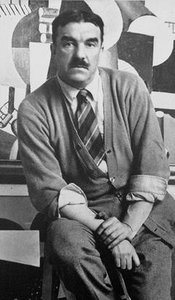
Fernand Léger, pittore, scultore e filmmaker francese, nacque il 4 febbraio 1881 ad Argentan, Orne, nella bassa Normandia. Suo padre allevava bovini e Léger iniziò la sua formazione come architetto nel 1897-1899. Successivamente si trasferì a Parigi nel 1900, sostenendosi con il lavoro di disegnatore architettonico.

sviluppo artistico

Le prime opere di Léger furono influenzate dall'impressionismo, come visto in Le jardin de ma mère (Il giardino di mia madre) (1905). Dopo aver frequentato la scuola d'arte decorativa e l'Académie Julian, iniziò a lavorare seriamente come pittore a 25 anni. Il suo stile si evolse in una forma personale di cubismo, che i critici definirono "tubismo" per la sua enfasi su forme cilindriche.

Cubismo e il gruppo dei Puteaux

Nel 1910, Léger espose al Salon d'automne insieme a Jean Metzinger e Henri Le Fauconnier. Entrò nel gruppo dei Puteaux, noto anche come la sezione d'or (la sezione aurea), insieme ad altri artisti come Francis Picabia e Marcel Duchamp.

Guerra e la sua influenza sull'opera di Léger

Le esperienze di Léger nella Prima Guerra Mondiale ebbero un impatto significativo sulla sua opera. Durante il suo tempo al fronte, produsse schizzi di pezzi d'artiglieria, aerei e soldati. Il suo dipinto Soldier with a Pipe (1916) riflette questo periodo.

Lavoro successivo e eredità

Il lavoro post-bellico di Léger, caratterizzato da forme meccaniche lisce, lo legò alla tradizione della pittura figurativa francese. I suoi paesaggi animati del 1921 mostrarono figure e animali in forme armoniose e razionalizzate. opere chiave: musei che espongono le opere di Léger:
Fernand Léger

Fernand Léger

1881 - 1955 , Francia

Dati rapidi

  • Artisti Influenti:
    • Cézanne
    • Impressionismo
  • Artisti Influenzati: ['Pop Art']
  • Data Di Nascita: 4 febbraio 1881
  • Luogo Di Nascita: Argentan, Francia
  • Movimento Artistico: Cubismo, Tubismo
  • Nazionalità: Francese
  • Nome Completo: Fernand Léger
  • Opere Notevoli:
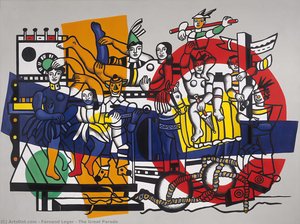
    • La Grande Parata
    • L'Elemento Macchina
    • Donna Seduta
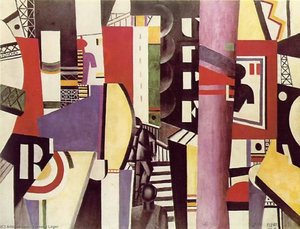
    • The City
Esplora opere d'arte organizzate per temi, stili e caratteristiche.