

Acquista un'immagine digitale ad alta risoluzione e ottimizzata, di qualità nettamente superiore all'anteprima online.
Ogni file è meticolosamente preparato dai nostri specialisti interni attraverso l'uso di strumenti avanzati e un sapiente ritocco manuale. Garantiamo che ogni immagine presenti una chiarezza eccezionale, una precisione cromatica impeccabile e dettagli raffinati.
Il file finale viene consegnato via e-mail entro 72 ore, ottimizzato per un uso immediato in contesti professionali, editoriali e di stampa. Si tratta della stessa qualità affidata ai più prestigiosi studi di design, editori e gallerie d'arte.
Scarica un file ad alta risoluzione per uso personale, per la stampa e per progetti creativi. ( Ordina stampa Ordina la riproduzione dipinta a mano)
Quando scegli BuyPopArt.com, non riceverai solo un'immagine: riceverai un'opera d'arte digitale professionalmente ottimizzata, realizzata con la massima precisione e accompagnata da una garanzia di soddisfazione. Ecco tutto ciò che include il tuo ordine, automaticamente:

Riceverai il file dell'immagine digitale ad alta risoluzione via email entro 72 ore dall'ordine, pronto per un uso immediato.

La tua opera d'arte viene ottimizzata professionalmente attraverso l'uso di strumenti avanzati di intelligenza artificiale e una revisione manuale, garantendo il massimo livello di dettaglio, nitidezza e accuratezza cromatica.

Hai eliminato o perso accidentalmente il tuo file? Non preoccuparti: te lo invieremo di nuovo in qualsiasi momento, gratuitamente.

Goditi la tua opera d'arte istantaneamente senza costi doganali, dazi o spese di spedizione: i download digitali sono sempre esenti da tasse.

Garantiamo che la tua immagine digitale rifletta i colori originali con la massima fedeltà, grazie all'uso di strumenti professionali e a una gestione accurata del colore.

Se non sei soddisfatto della tua immagine digitale, la revisioneremo o ti rimborseremo il 100% entro 60 giorni, senza domande.

Non sei soddisfatto? Ricevi un rimborso completo entro 60 giorni dal ricevimento del tuo file digitale, senza dover fornire spiegazioni.

Acquista 3 immagini, risparmia il 10% - Acquista 5, risparmia il 15% - Acquista 10+, risparmia il 20%. Ideale per progetti creativi, gallerie e agenzie.
The world of Fernand Léger is one of exhilarating contradiction – a collision between the raw physicality of industrial machinery and an intensely personal, almost spiritual, vision. This particular work, a vibrant exploration of form and movement, exemplifies Léger’s groundbreaking approach to modern art, a departure from purely abstract concerns that sought to capture not just the *look* of the machine age, but its very essence – its energy, its rhythm, and its impact on human experience. It's a piece that demands attention, inviting the viewer into a world where geometric precision dances with organic fluidity.
Léger’s artistic journey began in the early 20th century, a period of unprecedented technological advancement. Witnessing the rise of factories and the proliferation of steel structures profoundly influenced his thinking. He developed what he termed “Tubism,” a style that sought to represent objects – particularly those associated with industry – by breaking them down into their fundamental geometric shapes: cylinders, cones, and cubes. However, Tubism wasn’t simply about replicating mechanical forms; it was an attempt to imbue these shapes with life, with movement, and with a sense of underlying harmony. Notice how the figures aren't static representations but seem poised in perpetual motion, echoing the dynamism of the industrial landscape.
Beyond its purely formal qualities, Léger’s work is rich in symbolic meaning. The figures themselves are often interpreted as representations of humanity – individuals caught within the transformative forces of modernity. Their simplified forms suggest a loss of individuality, yet their vibrant colors and dynamic poses convey a sense of resilience and even joy. The bright palette—bold reds, yellows, and blues—contrasts sharply with the muted tones of the industrial backdrop, highlighting the tension between human aspiration and mechanical constraint.
Léger emerged as a key figure in the Parisian avant-garde scene of the early 20th century, alongside artists like Picasso and Braque. While initially influenced by Cubism, he quickly developed his own distinct style, one that was both intellectually rigorous and deeply expressive. His work anticipated many later developments in art, including Pop Art’s embrace of popular imagery and its exploration of the relationship between art and industry. The Fernand Léger National Museum in Biot, France, houses a comprehensive collection of his works, offering invaluable insight into the evolution of this singular artistic vision.
This reproduction captures not just the visual impact of Léger’s original paintings but also the underlying emotional power. It's a piece that speaks to our fascination with technology, our anxieties about its potential consequences, and our enduring desire for beauty and harmony in a world increasingly dominated by machines. Whether adorning a contemporary interior or serving as a thoughtful addition to an art collection, this artwork offers a compelling dialogue between form, function, and the human spirit – a conversation that continues to resonate today.
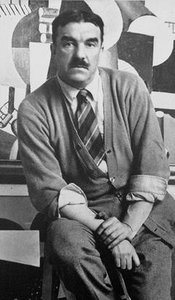
1881 - 1955 , Francia


Rimani aggiornato sulle ultime novità dell'arte, sulle offerte esclusive e sulle idee di decorazione.
Raccontaci del tuo progetto e i nostri esperti d'arte ti proporranno 3 suggerimenti artistici personalizzati.
Lascia che creiamo per te una selezione di 3 opzioni su misura – Gratis!


 Anteprima in scala reale
 Condividi
 Condividi
 Dettagli

 Scarica immagine
 Articoli simili
 Radiografia
 Slideshow

 Leggi tutto