PreviewPreview Ordina la riproduzione Ordina la riproduzioneAcquista download Acquista download InviaInvia
Dettagli operaDettagli opera Aggiungi ai preferiti Aggiungi ai preferiti ScaricaScarica SimiliSimili RadiografiaRadiografia SlideshowSlideshow

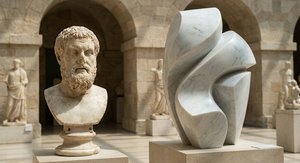
Arion

Explore 'Arion' by il riccio – a striking monochrome sculpture of a Roman figure. Discover Mannerist details, classical influence & emotive power in this unique artwork.

Explore the dramatic & unsettling works of il riccio (1505-1571), a Mannerist painter known for 'The Rape of Europa' and intense, symbolic scenes.

Giclée / Stampa d'arte

Stampa giclée o su tela di qualità museale, con produzione rapida e diverse opzioni di finitura.

Standard
custom
CM
INCH

Scegli tra le nostre dimensioni predefinite, che rispettano le proporzioni originali dell'opera d'arte.

larghezza
altezza

È possibile inserire dimensioni personalizzate per adattare l'opera a una cornice o a uno spazio specifico. Se la dimensione selezionata non corrisponde alle proporzioni dell'immagine originale, procederemo al ritaglio dell'opera o all'estensione dell'immagine con un bordo specchiato o a tinta unita. Un mockup digitale ti verrà inviato per approvazione prima dell'inizio della produzione.
Si prega di notare che l'anteprima a schermo non riflette il ritaglio o l'estensione effettivi. Solo il mockup mostrerà accuratamente la composizione finale.
Sebbene siano disponibili dimensioni personalizzate, si raccomanda di selezionare una dimensione dall'elenco predefinito per preservare le proporzioni originali.

Consegna in tutto il mondo () in 2 settimane invece delle normali 4/5 settimane. (28 Luglio)

why_choose_icon
Spedizione espressa gratuita in tutto il mondo

why_choose_icon
Tela in lino di alta qualità
why_choose_icon
Assicurazione completa sulla spedizione
why_choose_icon
Garanzia di rimborso dei dazi doganali
why_choose_icon
Garanzia di fedeltà cromatica
why_choose_icon
Politica di reso entro 60 giorni (solo per difetti)
why_choose_icon
Garanzia di rimborso al 100%
why_choose_icon
Sconto per acquisti multipli

Prezzo totale

-

reproduction

Arion

Giclée / Stampa d'arte

Dimensioni riproduzione

-

Prezzo totale finale

-


Biografia dell'artista

Bartolomeo Neroni: A Shadowed Genius of the Florentine Mannerist School

Bartolomeo Neroni (1505 – 1571) remains a figure shrouded in mystery, an artist whose prolific output belies scant biographical information. Born in Siena, he ascended to prominence during the turbulent Renaissance era, establishing himself as a sculptor and architect of considerable renown alongside his brother Giovanni Battista Neroni, who served as papal architect for decades. Despite the lack of detailed documentation concerning his personal life—he married Isabella Ursellini and had several children—Neroni’s artistic legacy speaks volumes about his contribution to Florentine Mannerism and its broader impact on European art history.
  • Early Life & Training: Neroni's formative years were spent in Siena, where he honed his sculptural skills under the tutelage of Giovanni Battista Buoncompagni, a renowned sculptor himself. This mentorship instilled in him a deep appreciation for classical ideals and techniques, shaping his artistic sensibilities from an early age.
  • Architectural Career: Neroni’s architectural ambitions quickly surpassed his sculptural pursuits. He undertook numerous commissions throughout Tuscany and Umbria, designing churches, palaces, and villas that exemplify the grandeur and sophistication of Mannerist architecture. Notably, he collaborated with Andrea Palladio on the Basilica di Santa Maria Assunta in Padua, a project that cemented his reputation as one of Italy’s foremost architects.
  • Sculptural Output: Neroni produced an impressive array of sculptures, ranging from monumental equestrian portraits to intimate devotional figures. His works are characterized by dramatic poses, expressive gestures, and meticulous attention to detail—traits emblematic of the Mannerist style. He skillfully employed bronze casting techniques, achieving remarkable realism and conveying profound psychological depth.
  • Notable Works: Among Neroni’s most celebrated sculptures include ‘The Coronation of Virgin’, a monumental masterpiece housed in Siena Cathedral, showcasing Palladio's influence and demonstrating Neroni's mastery of sculptural form. He also created numerous portraits of prominent Florentine dignitaries, capturing their likenesses with uncanny accuracy.
  • Influence & Legacy: Neroni’s artistic innovations profoundly impacted subsequent generations of sculptors and architects. His embrace of Mannerist principles—such as distortion, asymmetry, and theatrical staging—challenged the prevailing humanist aesthetic and ushered in a new era of artistic experimentation. He remains an enduring symbol of Florentine creativity and a testament to the transformative power of art.

The Dark Renaissance: Exploring Neroni’s Artistic Vision

Neroni's oeuvre is inextricably linked to the broader context of the “Dark Renaissance,” a period marked by anxieties surrounding religious dogma, political instability, and societal upheaval. Unlike his humanist contemporaries who championed reason and classical ideals, Neroni wrestled with darker themes—death, decay, and psychological torment—reflecting the pervasive pessimism that gripped Europe during his lifetime. This preoccupation with morbidity is evident in many of his sculptures, where figures are depicted in poses of anguish and vulnerability, conveying a sense of profound emotional intensity.
  • Psychological Depth: Neroni’s sculptures transcend mere representation; they strive to capture the inner turmoil of human experience. He meticulously studied anatomy and musculature, striving for anatomical accuracy while simultaneously injecting expressive gestures that convey psychological states—fear, grief, ecstasy—with remarkable subtlety.
  • Classical Inspiration Revisited: Despite his rejection of humanist optimism, Neroni remained deeply rooted in classical tradition. However, he reimagined classical forms through the lens of Mannerist distortion and asymmetry, creating sculptures that simultaneously honored antiquity and asserted a distinctly personal artistic vision.
  • Symbolic Representation: Neroni’s works are replete with symbolic imagery—references to biblical narratives, mythological figures, and allegorical motifs—that invite contemplation and interpretation. These symbols serve not merely as decorative embellishments but as vehicles for conveying profound philosophical ideas about human mortality and spiritual transcendence.

Technique & Innovation: Mastering Bronze Casting

Neroni’s sculptural achievements hinged upon his unparalleled skill in bronze casting, a technique that demanded meticulous precision and unwavering dedication. He painstakingly studied the properties of bronze—its malleability, its resistance to heat, and its ability to capture detail—adapting established methods to achieve unprecedented levels of realism and expressive power.
  • Detailed Modeling: Neroni began his sculptural process with painstaking modeling in wax, meticulously sculpting figures from life using tools honed over years of experience. He achieved remarkable anatomical accuracy by studying cadavers and dissecting human specimens—a practice considered controversial at the time but essential to mastering the complexities of human form.
  • Lost Wax Casting: Neroni employed the lost wax casting technique—a process perfected by ancient Greeks and Romans—to transform his wax models into bronze sculptures. This method involved creating a mold from clay around the wax sculpture, melting away the wax residue, and pouring molten bronze into the mold cavity.
  • Surface Finishing: Following casting, Neroni undertook extensive surface finishing operations—including polishing, patinating, and applying gilding—to enhance the sculptural qualities of his works. He skillfully manipulated metal surfaces to create textures that mimicked marble or stone, further amplifying the dramatic impact of his sculptures.

Conclusion: An Artist Beyond His Time

Bartolomeo Neroni’s artistic legacy extends far beyond his immediate contemporaries. His pioneering approach to sculpture—characterized by psychological depth, classical inspiration reimagined, and masterful bronze casting—established him as a pivotal figure in the history of Mannerist art. Though overshadowed by more celebrated artists of his era, Neroni’s sculptures continue to captivate audiences today with their haunting beauty and profound emotional resonance—a testament to his enduring genius and an indelible mark on the artistic landscape of Renaissance Italy.
il riccio

il riccio

1505 - 1571

Dati rapidi

  • Artistic Movement Or Style: Mannerism
  • Artists Or Movements Influenced By This Artist:
    • Tintoretto
    • Veronese
  • Artists Who Influenced This Artist:
    • Andrea Palladio
    • Michelangelo
  • Date Of Birth: 1505
  • Date Of Death: 1571
  • Full Name: Bartolomeo Neroni
  • Nationality: Italian
  • Notable Artworks:
    • Coronation of Virgin
    • The Rape of Europa
  • Place Of Birth: Siena