Anteprima in scala realeAnteprima in scala reale Anteprima in ARAnteprima in AR Passa alla stampa Passa alla stampaPassa alla versione dipinta a mano Passa alla versione dipinta a mano CondividiCondividi
DettagliDettagli Aggiungi ai preferiti Aggiungi ai preferiti Scarica immagineScarica immagine Articoli similiArticoli simili RadiografiaRadiografia SlideshowSlideshow

Piccole chinoiserie blu

Scopri 'Petites Chinoiseries Bleues' di James Ensor, una natura morta affascinante ricca di oggetti simbolici e maschere, che riflette la visione unica dell'artista tra bellezza e inquietante fascino.

Scopri James Ensor (1860-1949), un pioniere pittore e incisore belga. Esplora le sue scene inquietanti e oniriche di maschere, carnevali e scheletri che hanno profondamente influenzato l'Espressionismo e il Surrealismo. #JamesEnsor #Espressionismo #Surrealismo #Bel

Acquista un'immagine digitale ad alta risoluzione e ottimizzata, di qualità nettamente superiore all'anteprima online.

Ogni file è meticolosamente preparato dai nostri specialisti interni attraverso l'uso di strumenti avanzati e un sapiente ritocco manuale. Garantiamo che ogni immagine presenti una chiarezza eccezionale, una precisione cromatica impeccabile e dettagli raffinati.

Il file finale viene consegnato via e-mail entro 72 ore, ottimizzato per un uso immediato in contesti professionali, editoriali e di stampa. Si tratta della stessa qualità affidata ai più prestigiosi studi di design, editori e gallerie d'arte.

Immagine Digitale

Scarica un file ad alta risoluzione per uso personale, per la stampa e per progetti creativi. (Passa alla stampa Passa alla stampaPassa alla versione dipinta a mano Passa alla versione dipinta a mano)

Prezzo finale

$9.99

Incluso in ogni acquisto di immagini digitali

Consegna digitale professionale e garantita

Quando scegli BuyPopArt.com, non riceverai solo un'immagine: riceverai un'opera d'arte digitale professionalmente ottimizzata, realizzata con la massima precisione e accompagnata da una garanzia di soddisfazione. Ecco tutto ciò che include il tuo ordine, automaticamente:

shipping_icon
Consegna rapida via email

Riceverai il file dell'immagine digitale ad alta risoluzione via email entro 72 ore dall'ordine, pronto per un uso immediato.

canvas_icon
File digitale potenziato dall'IA

La tua opera d'arte viene ottimizzata professionalmente attraverso l'uso di strumenti avanzati di intelligenza artificiale e una revisione manuale, garantendo il massimo livello di dettaglio, nitidezza e accuratezza cromatica.

insurance_icon
Riconsegna gratuita a vita

Hai eliminato o perso accidentalmente il tuo file? Non preoccuparti: te lo invieremo di nuovo in qualsiasi momento, gratuitamente.

tax_icon
Nessun costo di importazione, mai

Goditi la tua opera d'arte istantaneamente senza costi doganali, dazi o spese di spedizione: i download digitali sono sempre esenti da tasse.

color_icon
Garanzia di fedeltà cromatica

Garantiamo che la tua immagine digitale rifletta i colori originali con la massima fedeltà, grazie all'uso di strumenti professionali e a una gestione accurata del colore.

return_icon
Garanzia soddisfazione 60 giorni

Se non sei soddisfatto della tua immagine digitale, la revisioneremo o ti rimborseremo il 100% entro 60 giorni, senza domande.

guarantee_icon
Garanzia di rimborso al 100%

Non sei soddisfatto? Ricevi un rimborso completo entro 60 giorni dal ricevimento del tuo file digitale, senza dover fornire spiegazioni.

discount_icon
Sconti per ordini multipli

Acquista 3 immagini, risparmia il 10% - Acquista 5, risparmia il 15% - Acquista 10+, risparmia il 20%. Ideale per progetti creativi, gallerie e agenzie.
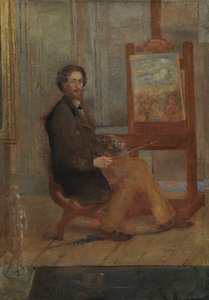
Dettagli rapidi

  • Subject or theme: Still life, Far East
  • Influences:
    • Ensor's mother
    • Carnival masks
  • Year: 1906-1906
  • Notable elements or techniques: Chinoiserie motifs
  • Movement: Expressionism
  • Location: KMSKA, Antwerp
  • Medium: Oil on canvas

Quiz d'arte

Per ogni domanda è presente una sola risposta corretta.

Domanda 1:
What is the primary subject depicted in James Ensor’s ‘Petites chinoiseries bleues’?
Domanda 2:
The term ‘chinoiseries’ in the title refers to:
Domanda 3:
James Ensor is most closely associated with which artistic movement?
Domanda 4:
Considering Ensor’s known fascination with masks, what might the arrangement of objects in ‘Petites chinoiseries bleues’ symbolize?
Domanda 5:
What is the dominant color palette used in ‘Petites chinoiseries bleues’?

Descrizione del collezionabile

A World Woven with Masks and Shadows: James Ensor’s “Petites Chinoiseries Bleues”

James Ensor's "Petites Chinoiseries Bleues" isn’t merely a still life; it’s a meticulously constructed tableau of unsettling beauty, a window into the artist’s uniquely fractured vision. Painted in 1906, this work embodies the core of Ensor’s artistic philosophy – a deliberate blurring of reality and dream, a fascination with the grotesque, and an exploration of the human psyche through carefully arranged objects. The painting depicts a tabletop laden with a collection of Chinese artifacts: porcelain bowls, delicate figurines, intricately patterned fans, and a scattering of bottles and cups. Yet, it’s not the objects themselves that hold primary interest, but rather their arrangement, their colors, and the subtle, almost menacing presence of figures lurking just beyond the frame. The dominant hue is a cool, melancholic blue – a color often associated with introspection, mourning, and the uncanny – which permeates the scene, lending it an atmosphere of quiet unease. This deliberate use of color, combined with Ensor’s signature style, immediately establishes a mood far removed from simple representation.

The Language of Masks and Exoticism

Ensor's preoccupation with masks is central to understanding his work, and “Petites Chinoiseries Bleues” provides a particularly potent example. The artist’s childhood spent in his parents’ souvenir shop, overflowing with carnival masks and exotic curiosities from around the world, profoundly shaped his artistic sensibility. These objects weren’t simply souvenirs; they were portals into other cultures, representations of hidden identities, and symbols of disguise. In this painting, the Chinese artifacts – particularly the porcelain figurines and the intricately patterned fans – function as metaphorical masks, concealing deeper meanings and inviting speculation about their origins and significance. The inclusion of Japanese elements—the fans and prints—further emphasizes this exoticism, reflecting Ensor’s interest in both Eastern cultures and the allure of the ‘other.’ The arrangement itself suggests a theatrical stage, with the objects positioned to create a narrative, albeit an ambiguous one.

Technique and Composition: A Deliberate Discomfort

Ensor's technique is characterized by a bold, expressive brushstroke and a masterful manipulation of color. He employs a broken, almost fragmented approach, layering paint in thick impasto to create texture and depth. The composition is carefully balanced, yet unsettlingly off-kilter. The objects are arranged with a deliberate asymmetry, creating a sense of visual tension. Notice the way the blue dominates, subtly shifting and reflecting light in unexpected ways. The figures glimpsed behind the table – often interpreted as shadowy servants or perhaps even distorted reflections of Ensor himself – contribute to this feeling of unease and suggest a hidden drama unfolding just beyond our perception. The use of light is particularly noteworthy; it’s not naturalistic but rather serves to heighten the painting's emotional impact, casting long shadows and creating areas of darkness that invite the viewer’s imagination.

Symbolism and the Artist’s Psyche

“Petites Chinoiseries Bleues” resonates with themes of isolation, mortality, and the anxieties of modern life – concerns that were increasingly prevalent in Ensor's time. The presence of skeletons (implied through the porcelain figurines) subtly references death and decay, while the overall atmosphere evokes a sense of melancholy and introspection. The painting can be interpreted as a meditation on the artificiality of appearances, the illusion of comfort, and the hidden darkness beneath the surface of everyday life. It’s a work that rewards close observation and invites repeated viewing, revealing new layers of meaning with each encounter. The title itself – “Petites Chinoiseries” – suggests a focus on small details, hinting at Ensor's ability to find profound significance in seemingly insignificant objects. Ultimately, "Petites Chinoiseries Bleues" is a testament to Ensor’s unique artistic vision—a hauntingly beautiful and deeply unsettling exploration of the human condition.

Biografia dell'artista

vita e percorso artistico

james sidney edouard, baron ensor, un illustre pittore e incisore belga, nacque il 13 aprile 1860 a Ostend, Belgio. La sua giovinezza fu segnata da un background culturale diversificato, con un padre inglese, james frederic ensor, e una madre belga, maria catherina haegheman. Privo di interesse per gli studi accademici tradizionali, ensor lasciò la scuola a quindici anni per dedicarsi all'arte, ricevendo formazione da pittori locali e successivamente studiando presso l’Académie Royale des Beaux-Arts a Bruxelles.

stile artistico e temi

Lo stile artistico di Ensor fu caratterizzato dalla sua esplorazione della mente inconscia e dalle immagini oniriche, che influenzarono significativamente l'espressionismo e il surrealismo. I suoi dipinti spesso presentavano soggetti bizzarri, tra cui carnevali, maschere, burattini, scheletri e allegorie fantastiche. Opere notevoli includono The Scandalized Masks (1883) e Skeletons Fighting Over a Hanged Man (1891), che mostrano il suo unico connubio tra lo grotesco e il fantastico.

riconoscimento e eredità

Nonostante le prime resistenze, l'opera di Ensor ottenne gradualmente accettazione e ammirazione. Entro il 1920, fu oggetto di importanti mostre; nel 1929 fu nominato barone dal re Albert, e nel 1933 ricevette la Légion d’honneur. La sua eredità come figura pioniera nell'arte moderna è evidente nella sua influenza sui movimenti artistici successivi, tra cui l'espressionismo e il surrealismo.

opere chiave ed esposizioni

* The Intrigue (90 x 150 cm, Koninklijk Museum voor Schone Kunsten, Anversa, Belgio) * Tribulations of Saint Anthony (1887, ora nel museo del modern art, New York) Lo stile innovativo e l'approccio audace di Ensor hanno lasciato un segno indelebile nel mondo dell'arte moderna.
James Ensor

James Ensor

1860 - 1949 , Belgio

In breve

  • Artisti Influenti:
    • Pieter Bruegel il Vecchio
    • Francisco Goya
    • James Abbott McNeill Whistler
  • Artisti Influenzati:
    • Espressionismo
    • Surrealismo
  • Data Di Nascita: 13 aprile 1860
  • Luogo Di Nascita: Ostenda, Belgio
  • Movimento Artistico: Espressionismo, Simbolismo
  • Nazionalità: Belga
  • Nome Completo: James Sidney Edouard Ensor
  • Opere Notevoli:
    • The Scandalized Masks
    • Skeletons Fighting...
    • Christ's Entry...
    • Tribulations of Saint...
