


Stampa giclée o su tela di qualità museale, con produzione rapida e diverse opzioni di finitura. ( Passa alla pittura fatta a mano Passa all'immagine)
Scegli tra le nostre dimensioni predefinite, che rispettano le proporzioni originali dell'opera d'arte.

È possibile inserire dimensioni personalizzate per adattare l'opera a una cornice o a uno spazio specifico. Se la dimensione selezionata non corrisponde alle proporzioni dell'immagine originale, procederemo al ritaglio dell'opera o all'estensione dell'immagine con un bordo specchiato o a tinta unita. Un mockup digitale ti verrà inviato per approvazione prima dell'inizio della produzione.
Si prega di notare che l'anteprima a schermo non riflette il ritaglio o l'estensione effettivi. Solo il mockup mostrerà accuratamente la composizione finale.
Sebbene siano disponibili dimensioni personalizzate, si raccomanda di selezionare una dimensione dall'elenco predefinito per preservare le proporzioni originali.
Consegna in tutto il mondo () in 2 settimane invece delle normali 4/5 settimane. (31 Luglio)


Two tigers
Dimensioni della riproduzione
Lilian Cheviot (c. 1876 – 1936) was a remarkably accomplished English painter who, though often overlooked in broader narratives of late nineteenth-century art, carved out a distinctive niche for herself through her captivating depictions of animals, particularly dogs and cats. Her career spanned nearly four decades, marked by consistent dedication to her craft and a keen eye for capturing the essence of her subjects – a testament to her skill and a reflection of the Victorian fascination with both domestic pets and the natural world.
Born in England, the precise details of Cheviot’s early life remain somewhat elusive. However, she established herself as a resident of South Molesey in Surrey, a location that provided a tranquil setting for her artistic pursuits. Her formal training was rigorous, encompassing studies at both Frank Calderon's School of Animal Painting and Walter Donne's Life School – institutions renowned for their emphasis on anatomical accuracy and the portrayal of animal character. These formative experiences instilled within her a deep understanding of form, movement, and the subtle nuances of animal behavior, all crucial elements in her later work.
Cheviot’s artistic journey gained momentum through consistent exhibition activity. Her early talent was quickly recognized, leading to her debut at the Royal Academy in London in 1895, showcasing “There’s Many a Slip,” and again in 1899 with "Kittens." These initial successes established her as a rising star within the British art scene. The inclusion of her work in the 1905 publication, *Women Painters of the World*, further cemented her place amongst her contemporaries – a recognition that acknowledged both her artistic skill and the challenges faced by women artists during this period.
Beyond these early successes, Cheviot’s dedication to animal portraiture became increasingly prominent. Her paintings weren't merely representations; they were imbued with a sense of personality and affection. She possessed an extraordinary ability to capture not just the physical appearance of her subjects but also their individual character—a skill that resonated deeply with Victorian audiences who prized both beauty and companionship in their pets.
Several works stand out as particularly representative of Cheviot’s artistic style. “On the Way to the Horse Fair” (1905), included in *Women Painters of the World*, exemplifies her ability to convey movement and atmosphere, capturing a fleeting moment of rural life with remarkable detail. Her illustrations for "The New Book of the Dog" (1911) demonstrated her versatility, showcasing her talent for portraying various breeds and their unique characteristics.
Cheviot’s paintings are characterized by a meticulous attention to detail, particularly in rendering fur textures and capturing subtle expressions. She employed a loose, painterly technique that allowed for a sense of spontaneity while maintaining a high level of realism. Her compositions often feature dynamic arrangements, creating a lively and engaging visual experience. The influence of Pre-Raphaelite painters is subtly evident in her use of color and the romanticism inherent in her depictions of animals within their natural settings.
While Lilian Cheviot may not be as widely celebrated as some of her contemporaries, her contribution to Victorian animal art remains significant. She represents a vital thread in the tapestry of British painting during a period marked by both artistic innovation and evolving social attitudes towards animals. Her work reflects the growing importance of pets within domestic life and the increasing appreciation for their beauty and character.
Further research, including access to more detailed archival materials, could undoubtedly shed further light on her life and career. However, Lilian Cheviot’s legacy endures through her captivating animal portraits—testaments to a talented artist who captured the heart of the Victorian era with her sensitive and insightful depictions of the animal kingdom.

1894 - 1940 , United Kingdom


Rimani aggiornato sulle ultime novità dell'arte, sulle offerte esclusive e sulle idee di decorazione.
Raccontaci del tuo progetto e i nostri esperti d'arte ti proporranno 3 suggerimenti artistici personalizzati.
Lascia che ci pensiamo noi: 3 opzioni su misura per te – Gratis!


 Anteprima
 Condividi
 Condividi
 Dettagli

 Scarica immagine
 Articoli simili
 Radiografia
 Slideshow
 Leggi tutto
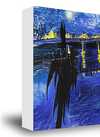
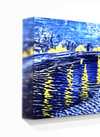
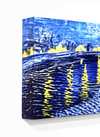
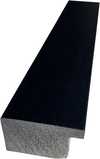
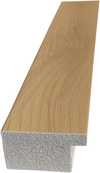
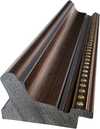
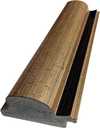
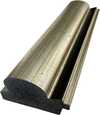
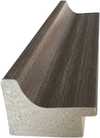
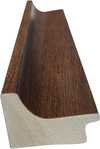
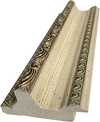
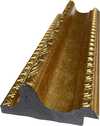
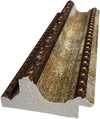
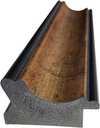
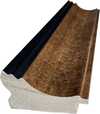
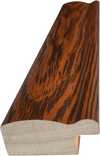
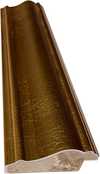
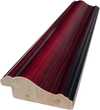
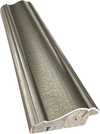
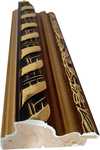
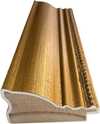
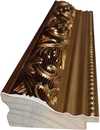
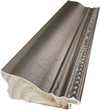
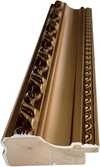
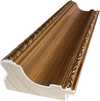
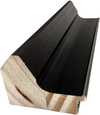
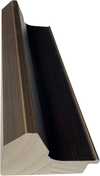
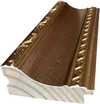
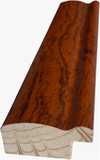
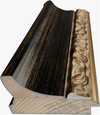
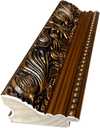
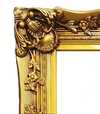
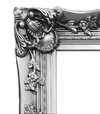
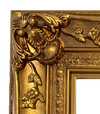
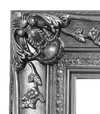
 L'opzione vetro è disponibile solo per dimensioni inferiori a 110 cm


