x


 Ordina la riproduzione Acquista download
 Invia
Invia
 Dettagli opera
 Aggiungi ai preferiti
 Scarica
 Simili
 Radiografia
 Slideshow
 AcrylicWallArtPrimitive Surrealism
 1956
1956 47.0 x 63.0 cm
Stampa giclée o su tela di qualità museale, con produzione rapida e diverse opzioni di finitura.
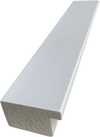
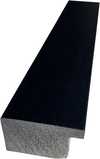
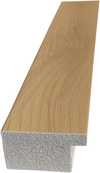
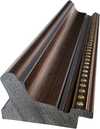
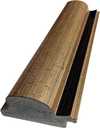
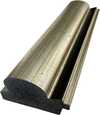
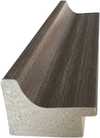
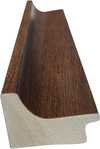
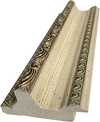
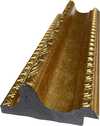
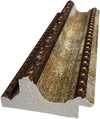
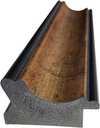
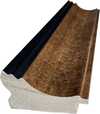
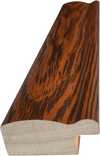
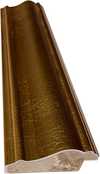
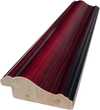
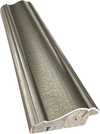
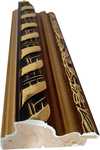
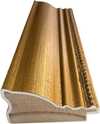
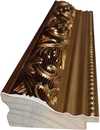
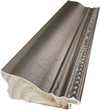
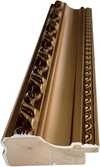
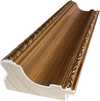
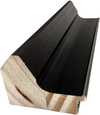
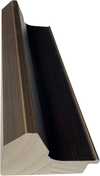
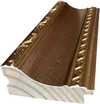
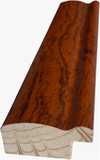
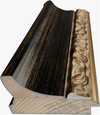
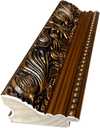
Scegli tra le nostre dimensioni predefinite, che rispettano le proporzioni originali dell'opera d'arte.

È possibile inserire dimensioni personalizzate per adattare l'opera a una cornice o a uno spazio specifico. Se la dimensione selezionata non corrisponde alle proporzioni dell'immagine originale, procederemo al ritaglio dell'opera o all'estensione dell'immagine con un bordo specchiato o a tinta unita. Un mockup digitale ti verrà inviato per approvazione prima dell'inizio della produzione.
Si prega di notare che l'anteprima a schermo non riflette il ritaglio o l'estensione effettivi. Solo il mockup mostrerà accuratamente la composizione finale.
Sebbene siano disponibili dimensioni personalizzate, si raccomanda di selezionare una dimensione dall'elenco predefinito per preservare le proporzioni originali.
Consegna in tutto il mondo () in 2 settimane invece delle normali 4/5 settimane. (20 Luglio)


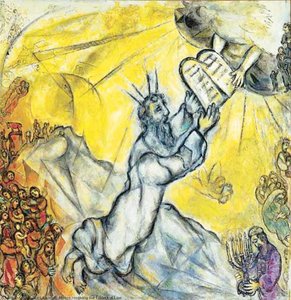
David
Dimensioni riproduzione
Marc Chagall’s “David,” painted in 1956, isn't merely a depiction of biblical grandeur; it’s an embodiment of Chagall’s lifelong preoccupation with dreams and recollections—a visual distillation of Vitebsk itself. The painting captures a solitary blue bird perched atop a branch laden with verdant leaves, its gaze directed towards the viewer, establishing an immediate connection between the natural world and the contemplative spirit.
Chagall's artistic approach aligns powerfully with the tenets of naive art, or primitivism. Rejecting academic conventions and striving for an unfiltered expression of emotion, he eschewed meticulous realism in favor of a stylized visual language characterized by flattened perspectives and simplified forms. The vibrant color palette—dominantly blues and greens—is applied with loose, expressive brushstrokes that convey movement and spontaneity. These techniques prioritize feeling over precise representation, mirroring the artist’s own internal landscape.
“David” is inextricably linked to Chagall’s formative years in Vitebsk, Belarus—a town steeped in the traditions of both Russian Orthodox Christianity and Hasidic Judaism. This duality profoundly shaped his artistic vision, informing his recurring motifs of flying figures, representing aspiration and transcendence, alongside depictions of animals imbued with spiritual significance. The artist's engagement with Jewish folklore reflects a desire to preserve cultural memory amidst the upheavals of the Soviet era.
The central figure—the blue bird—serves as a potent symbol of hope and spiritual renewal. Its posture suggests contemplation and observation, inviting the viewer to share in Chagall’s meditative gaze. The branch and leaves represent stability and connection to nature, anchoring the bird's symbolic journey within a familiar earthly realm. These elements coalesce into a harmonious composition that speaks to themes of innocence, faith, and the enduring power of imagination.
"David" encapsulates the essence of Chagall's artistic philosophy—a commitment to conveying profound emotional truths through a deceptively simple visual language. The painting exudes a dreamlike atmosphere, transporting the viewer into Chagall’s inner world where logic yields to intuition and memory reigns supreme. Ultimately, it stands as a testament to his ability to distill complex spiritual ideas into evocative imagery, securing its place among the most cherished works of 20th-century art.
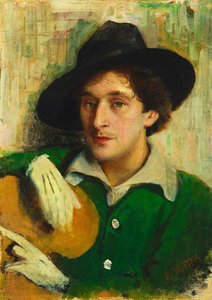
1887 - 1985 , biarussia

Immergiti nell'eleganza degli anni '20 con 10 capolavori iconici! Scopri la storia di Tamara de Lempicka, Klimt e altri maestri dell'Art Déco. Trova stampe d'arte e decorazioni per una casa dallo stile senza tempo su BuyPopArt.com.

Esplora le 10 opere d'arte che hanno rivoluzionato il mondo moderno! Da Kandinsky a Picasso, scopri la storia e l'impatto di capolavori iconici. Trova riproduzioni di alta qualità e idee per decorare casa con stile su BuyPopArt.com.

Guida completa per abbinare riproduzioni d'arte allo stile della tua casa! Consigli esperti, tendenze e soluzioni personalizzate per creare ambienti unici. Scopri come valorizzare ogni spazio con BuyPopArt.

Esplora 10 capolavori di Monet, Manet e altri maestri che catturano l'essenza dell'arte industriale. Scopri storie, tecniche e colori unici per decorare la tua casa con stampe su tela di alta qualità. BuyPopArt.com: arte collezione online.
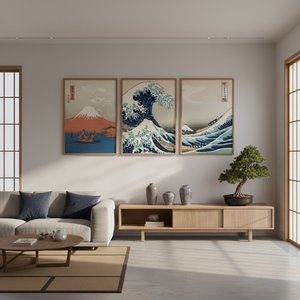
Esplora le 25 opere più iconiche di Katsushika Hokusai, maestro dell'ukiyo-e. Scopri la storia dietro 'La Grande Onda', il Monte Fuji e altre stampe giapponesi senza tempo. Trova riproduzioni d'arte di alta qualità per decorare la tua casa su BuyPopArt.com.


Rimani aggiornato sulle ultime novità dell'arte, sulle offerte esclusive e sulle idee di decorazione.
Raccontaci del tuo progetto e i nostri esperti d'arte ti proporranno 3 suggerimenti artistici personalizzati.
Lascia che ci pensiamo noi: 3 opzioni su misura per te – Gratis!


 Condividi

 Scopri di più
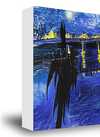
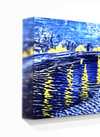
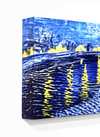
 L'opzione vetro è disponibile solo per dimensioni inferiori a 110 cm