

Acquista un'immagine digitale ad alta risoluzione e ottimizzata, di qualità nettamente superiore all'anteprima online.
Ogni file è meticolosamente preparato dai nostri specialisti interni attraverso l'uso di strumenti avanzati e un sapiente ritocco manuale. Garantiamo che ogni immagine presenti una chiarezza eccezionale, una precisione cromatica impeccabile e dettagli raffinati.
Il file finale viene consegnato via e-mail entro 72 ore, ottimizzato per un uso immediato in contesti professionali, editoriali e di stampa. Si tratta della stessa qualità affidata ai più prestigiosi studi di design, editori e gallerie d'arte.
Scarica un file ad alta risoluzione per uso personale, per la stampa e per progetti creativi. ( Ordina stampa Ordina la riproduzione dipinta a mano)
Quando scegli BuyPopArt.com, non riceverai solo un'immagine: riceverai un'opera d'arte digitale professionalmente ottimizzata, realizzata con la massima precisione e accompagnata da una garanzia di soddisfazione. Ecco tutto ciò che include il tuo ordine, automaticamente:

Riceverai il file dell'immagine digitale ad alta risoluzione via email entro 72 ore dall'ordine, pronto per un uso immediato.

La tua opera d'arte viene ottimizzata professionalmente attraverso l'uso di strumenti avanzati di intelligenza artificiale e una revisione manuale, garantendo il massimo livello di dettaglio, nitidezza e accuratezza cromatica.

Hai eliminato o perso accidentalmente il tuo file? Non preoccuparti: te lo invieremo di nuovo in qualsiasi momento, gratuitamente.

Goditi la tua opera d'arte istantaneamente senza costi doganali, dazi o spese di spedizione: i download digitali sono sempre esenti da tasse.

Garantiamo che la tua immagine digitale rifletta i colori originali con la massima fedeltà, grazie all'uso di strumenti professionali e a una gestione accurata del colore.

Se non sei soddisfatto della tua immagine digitale, la revisioneremo o ti rimborseremo il 100% entro 60 giorni, senza domande.

Non sei soddisfatto? Ricevi un rimborso completo entro 60 giorni dal ricevimento del tuo file digitale, senza dover fornire spiegazioni.

Acquista 3 immagini, risparmia il 10% - Acquista 5, risparmia il 15% - Acquista 10+, risparmia il 20%. Ideale per progetti creativi, gallerie e agenzie.
Max Ernst's “Untitled (3407)” isn’t merely a depiction of a damaged boat; it’s a meticulously constructed tableau of psychological unease and fractured reality. The image, rendered in a style deeply rooted in Surrealism, immediately arrests the viewer with its stark simplicity and unsettling core: a solitary wooden vessel riddled with a gaping hole in its center. This isn't a scene of dramatic action or immediate danger; instead, it’s imbued with a profound sense of isolation, decay, and the inherent instability of perception. The muted palette – primarily reds and browns – contributes to this atmosphere of melancholic stillness, while the background hints at other vessels, suggesting a wider, equally desolate landscape.
Ernst, born in Brühl, Germany, in 1891, was a restless intellectual and artist who deliberately rejected traditional artistic training. His journey began with philosophical inquiry, fueled by a fascination with psychology and psychiatry – disciplines he studied rigorously at the University of Bonn. This academic grounding profoundly shaped his approach to art, moving beyond mere representation towards an exploration of the subconscious mind and the illogical structures of dreams. His early experiences during World War I, marked by trauma and disillusionment, undoubtedly informed this preoccupation with fractured realities and the unsettling nature of existence – themes that resonate powerfully within “Untitled (3407).”
The painting’s distinctive quality stems largely from Ernst's innovative techniques, most notably *frottage*. This method, developed by Ernst himself, involved rubbing a pencil over textured surfaces – wood grain, fabric, or even the pages of books – to create seemingly random patterns. These patterns were then incorporated into his compositions, adding layers of hidden imagery and suggestive symbolism. In “Untitled (3407),” traces of this technique are subtly present, contributing to the painting’s dreamlike quality and hinting at a deeper, unseen narrative.
Furthermore, Ernst frequently employed *grattage*, scraping paint across the canvas to reveal the textures beneath – often creating layered images that defy easy interpretation. This process mirrors the disruption of the boat's structure, visually representing the breakdown of order and the emergence of unexpected forms. The deliberate roughness and unevenness of the surface further enhance the painting’s unsettling effect, inviting viewers to contemplate the fragility of form and the inherent ambiguity of visual experience.
The central image of the damaged boat is rich in symbolic potential. It can be interpreted as a representation of vulnerability, loss, or perhaps even the human condition itself – susceptible to damage, adrift without direction, and bearing the scars of past experiences. The hole within the vessel isn’t simply a structural flaw; it's a portal, an opening into the unknown, suggesting a descent into the subconscious or a confrontation with repressed memories. The surrounding boats in the background could represent other journeys, other lives, all equally vulnerable to the forces of time and circumstance.
Ernst’s frequent use of birds – often depicted as enigmatic figures within his work – adds another layer of complexity. In “Untitled (3407),” the absence of a bird suggests a loss of guidance or a disruption in the natural order. The overall composition evokes a sense of disorientation and uncertainty, mirroring the psychological landscape explored by Ernst throughout his career.
“Untitled (3407)” stands as a testament to Max Ernst’s pioneering spirit and his profound impact on 20th-century art. His exploration of subconscious imagery, innovative techniques like *frottage* and *grattage*, and willingness to challenge conventional artistic norms cemented his place as a central figure in the Surrealist movement. Reproductions of this evocative work offer a unique opportunity to experience the unsettling beauty and psychological depth of Ernst’s vision – a journey into the heart of the surreal.
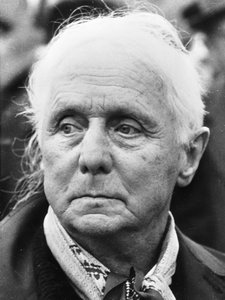
1891 - 1976 , Germania


Rimani aggiornato sulle ultime novità dell'arte, sulle offerte esclusive e sulle idee di decorazione.
Raccontaci del tuo progetto e i nostri esperti d'arte ti proporranno 3 suggerimenti artistici personalizzati.
Lascia che creiamo per te una selezione di 3 opzioni su misura – Gratis!


 Anteprima in scala reale
 Condividi
 Condividi
 Dettagli

 Scarica immagine
 Articoli simili
 Radiografia
 Slideshow
 Leggi tutto