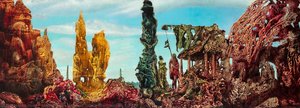
Stampa giclée o su tela di qualità museale, con produzione rapida e diverse opzioni di finitura. ( Passa alla versione dipinta a mano Passa all'immagine)





























Scegli tra le nostre dimensioni predefinite, che rispettano le proporzioni originali dell'opera d'arte.

È possibile inserire dimensioni personalizzate per adattare l'opera a una cornice o a uno spazio specifico. Se la dimensione selezionata non corrisponde alle proporzioni dell'immagine originale, procederemo al ritaglio dell'opera o all'estensione dell'immagine con un bordo specchiato o a tinta unita. Un mockup digitale ti verrà inviato per approvazione prima dell'inizio della produzione.
Si prega di notare che l'anteprima a schermo non riflette il ritaglio o l'estensione effettivi. Solo il mockup mostrerà accuratamente la composizione finale.
Sebbene siano disponibili dimensioni personalizzate, si raccomanda di selezionare una dimensione dall'elenco predefinito per preservare le proporzioni originali.
Consegna in tutto il mondo () in 2 settimane invece delle normali 4/5 settimane. (5 Agosto)


untitled (8952)
Dimensioni della riproduzione
Max Ernst's "Untitled (8952)" is not merely a depiction of a scene; it’s an immersion into the subconscious, a meticulously crafted exploration of surrealist anxieties and desires. This enigmatic work, dating from the artist’s prolific output during the early to mid-20th century, immediately captivates with its unsettling juxtaposition of familiar elements – a horse-drawn carriage, bicycles, and figures – arranged within a landscape that defies logical interpretation. The painting speaks volumes about Ernst's fascination with dreams, automatism, and the power of the irrational, themes central to his contribution to the Surrealist movement.
Ernst’s technique in “Untitled (8952)” is a testament to his innovative approach to painting. He masterfully employs collage elements, layering textures and fragments that contribute to the work's dreamlike quality. The application of paint – often built up in thick impasto – further enhances this effect, creating a tactile surface that invites close inspection. Crucially, Ernst utilized techniques of *automatism*, a core principle of Surrealism, allowing his unconscious mind to guide the brush and shape the composition. This process resulted in unexpected forms and arrangements, reflecting the fluidity and instability inherent in dreams.
The central image – a horse pulling a carriage – immediately evokes powerful symbolism. The horse, often associated with power, labor, and even death, is presented here in an unconventional manner, suggesting a disruption of traditional hierarchies. The presence of bicycles adds another layer of complexity, representing both progress and the potential for alienation within modern society. The figures themselves, seemingly caught in a moment of interaction or observation, represent humanity’s struggle to understand its place in the world – a theme frequently explored by Ernst through his art. The arrangement feels deliberately disjointed, mirroring the fragmented nature of memory and experience.
"Untitled (8952)" was created during a period of profound social and political upheaval following World War I. The devastation and disillusionment experienced by many Europeans fueled a desire to challenge conventional values and explore alternative modes of thought. Surrealism, born out of this context, sought to liberate the imagination from the constraints of reason and logic. Ernst’s work reflects this spirit of rebellion, offering a visual language for expressing anxieties about modernity, war, and the human condition. His exploration of psychological themes – influenced by his studies in psychology and psychiatry – aligns perfectly with the Surrealist movement's interest in the unconscious mind.
Ultimately, “Untitled (8952)” resonates with a profound sense of unease and ambiguity. The painting doesn’t offer easy answers or resolutions; instead, it invites viewers to confront their own anxieties and uncertainties. Its unsettling composition and symbolic imagery create a powerful emotional response, prompting contemplation on themes of control, freedom, and the nature of reality itself. This reproduction captures not just an image but the very essence of Ernst's artistic vision – a testament to his enduring legacy as one of the most influential artists of the 20th century.
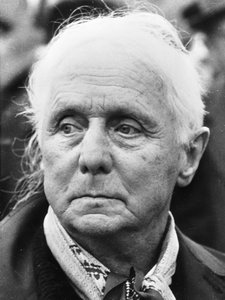
1891 - 1976 , Germania
Esplora i 25 capolavori di Max Ernst, pioniere del Surrealismo. Scopri la storia, le tecniche e il simbolismo dietro ogni opera iconica. Trova riproduzioni arte su tela di alta qualità per decorare casa con BuyPopArt.com.

Explore the captivating world of Surrealism with BuyPopArt. Discover its origins, key artists like Dalí & Ernst, and enduring influence on art history. High-quality reproductions available.
Scopri i 10 dipinti più famosi per trasformare il tuo soggiorno! Van Gogh, Monet e altri maestri dell'arte classica e moderna. Idee decoro, storia degli artisti e riproduzioni di alta qualità su . Esplora la collezione online!
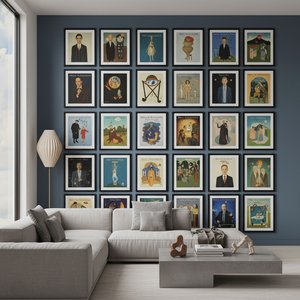
Esplora i 25 capolavori di René Magritte, il maestro del surrealismo. Scopri storie, significati e tecniche dietro opere iconiche come 'L'Impero delle Luci'. Trova riproduzioni d'arte su tela e idee per decorazioni uniche su BuyPopArt.com.
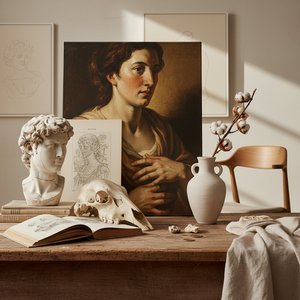
Esplora i 10 dipinti più iconici dominati da tonalità ossee e beige. Scopri la storia, gli artisti e le tecniche dietro capolavori senza tempo. Trova riproduzioni di alta qualità per decorare la tua casa con arte raffinata su .


Rimani aggiornato sulle ultime novità dell'arte, sulle offerte esclusive e sulle idee di decorazione.
Raccontaci del tuo progetto e i nostri esperti d'arte ti proporranno 3 suggerimenti artistici personalizzati.
Lascia che creiamo per te una selezione di 3 opzioni su misura – Gratis!


 Anteprima in scala reale
 Condividi
 Condividi
 Dettagli

 Scarica immagine
 Articoli simili
 Radiografia
 Slideshow

 Leggi tutto







 L'opzione vetro è disponibile solo per dimensioni inferiori a 110 cm