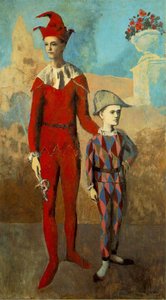
Acrilico su telaOpere da pareteSynthetic Cubism
 1913Modern
 55.0 x 33.0 cm
Olio su tela dipinto a mano nelle tue dimensioni e con la tua cornice, realizzato su ordinazione dai nostri artisti. ( Ordina stampa Acquista download)
Scegli tra le nostre dimensioni predefinite, che rispettano le proporzioni originali dell'opera d'arte.

È possibile inserire dimensioni personalizzate per adattare l'opera a una cornice o a uno spazio specifico. Se la dimensione selezionata non corrisponde alle proporzioni dell'immagine originale, provvederemo a ritagliare l'opera o a estendere il dipinto con elementi aggiuntivi dipinti a mano. Un mockup digitale ti sarà inviato per approvazione prima dell'inizio della produzione.
Si prega di notare che l'anteprima a schermo non riflette il ritaglio o l'estensione effettivi. Solo il mockup mostrerà accuratamente la composizione finale.
Sebbene siano disponibili dimensioni personalizzate, consigliamo di selezionare una dimensione dall'elenco predefinito per preservare le proporzioni originali.
Consegna in tutto il mondo () in 3/4 settimane anziché nelle normali 5 settimane. (16 Agosto). Nessun compromesso sulla qualità.


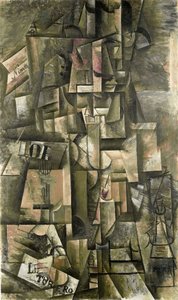
Clarinetto e Violino
Dimensioni della riproduzione
Picasso’s early artistic output was marked by a profound emotional intensity, primarily expressed through the Blue Period. Characterized by somber hues—deep blues, greens, and blacks—this period reflected Picasso's preoccupation with themes of poverty, despair, and loneliness. Influenced by artists like Edvard Munch and Rembrandt, he sought to convey human suffering with uncompromising honesty.
Following the Blue Period’s melancholic introspection, Picasso transitioned into a more optimistic phase known as the Rose Period. This stylistic shift embraced warmer tones—rose pinks, ochres, and reds—capturing scenes of familial affection and idealized portraits. The influence of Iberian sculpture and decorative arts is palpable in this period's compositions.
The pinnacle of Picasso’s artistic innovation arrived with Synthetic Cubism, commencing around 1907. Rejecting the analytical fragmentation of Cézanne and Braque, Picasso embraced a radically new approach—representing objects from multiple viewpoints simultaneously. This technique utilized geometric shapes and simplified forms to create visual illusions of depth and dimensionality. The painting Clarinet and Violin exemplifies this groundbreaking style.
“Clarinet and Violin” embodies several key characteristics of Synthetic Cubism. The monochromatic palette—primarily black and white—creates a harmonious balance while emphasizing the composition’s structural elements. The depiction of everyday objects—a clarinet, violin, piano, chairs—adds a layer of familiarity to the scene, inviting contemplation about music and artistic practice. Notably, the inclusion of a clock subtly underscores the passage of time and contributes to the painting's rhythmic quality.
Picasso’s exploration of Synthetic Cubism coincided with a burgeoning artistic dialogue between him and Henri Matisse. This rivalry fueled experimentation and propelled modern art forward, mirroring broader cultural shifts toward abstraction and expressive freedom. The Museo Thyssen-Bornemisza in Madrid houses an impressive collection showcasing Picasso's evolution through various periods.
Handmade oil painting reproductions of Clarinet and Violin are available on BuyPopArt.com, allowing art enthusiasts to own a piece of history.
The Museo Thyssen-Bornemisza in Madrid, Spain, is also a must-visit destination for art lovers, featuring an impressive collection of European paintings and sculptures, as seen on BuyPopArt.com's guide.
“Clarinet and Violin” is a significant work in the history of modern art, showcasing Picasso’s innovative style and artistic genius. As a masterpiece of Synthetic Cubism, it continues to inspire and influence artists today.

1881 - 1973 , Spagna

Master the complexities of Cubism with our expert guide. Explore the revolutionary techniques of Picasso, from Analytical to Synthetic Cubism, and learn how to curate these powerful, fragmented perspectives for your private collection.

Explore the revolutionary world of Cubism with our expert guide. From Picasso's deconstructed forms to the evolution of modern perspective, discover how this movement redefined art history and continues to inspire sophisticated collectors today.

Explore the profound evolution of Synthetic Cubism. From Picasso’s innovative collages to Braque’s geometric mastery, discover how this movement redefined modern art through texture and form. A definitive guide for discerning collectors and art history enthusiasts.


Rimani aggiornato sulle ultime novità dell'arte, sulle offerte esclusive e sulle idee di decorazione.
Raccontaci del tuo progetto e i nostri esperti d'arte ti proporranno 3 suggerimenti artistici personalizzati.
Lascia che creiamo per te una selezione di 3 opzioni su misura – Gratis!


 Anteprima in scala reale
 Condividi
 Condividi
 Dettagli

 Scarica immagine
 Articoli simili
 Radiografia
 Slideshow
 Leggi tutto




































 L'opzione vetro è disponibile solo per dimensioni inferiori a 110 cm