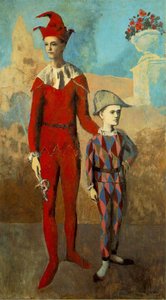
Stampa giclée o su tela di qualità museale, con produzione rapida e diverse opzioni di finitura. ( Passa alla versione dipinta a mano Passa all'immagine)





























Scegli tra le nostre dimensioni predefinite, che rispettano le proporzioni originali dell'opera d'arte.

È possibile inserire dimensioni personalizzate per adattare l'opera a una cornice o a uno spazio specifico. Se la dimensione selezionata non corrisponde alle proporzioni dell'immagine originale, procederemo al ritaglio dell'opera o all'estensione dell'immagine con un bordo specchiato o a tinta unita. Un mockup digitale ti verrà inviato per approvazione prima dell'inizio della produzione.
Si prega di notare che l'anteprima a schermo non riflette il ritaglio o l'estensione effettivi. Solo il mockup mostrerà accuratamente la composizione finale.
Sebbene siano disponibili dimensioni personalizzate, si raccomanda di selezionare una dimensione dall'elenco predefinito per preservare le proporzioni originali.
Consegna in tutto il mondo () in 2 settimane invece delle normali 4/5 settimane. (10 Agosto)


Spring
Dimensioni della riproduzione
Pablo Picasso's "Spring," painted in 1956, isn’t merely a depiction of a pastoral scene; it’s a profoundly layered meditation on loss, memory, and the enduring power of human connection. The painting immediately draws the eye with its vibrant palette – a riot of yellows, blues, and greens that seem to pulse with an almost feverish energy. Yet, beneath this initial exuberance lies a palpable sense of melancholy, a quiet sorrow woven into every brushstroke. At the heart of the composition are two figures: a man seated on a simple chair, his hand gently resting upon the horns of a goat, and a woman standing beside him, her gaze directed upwards with an expression that hints at both longing and acceptance.
Picasso’s stylistic choices firmly situate “Spring” within the context of his mature Cubist period. While retaining elements of his earlier explorations with fractured forms and multiple perspectives, here he employs a more fluid and expressive approach. The figures are not sharply delineated but rather emerge from a hazy atmosphere, their bodies subtly distorted and imbued with an almost dreamlike quality. This deliberate ambiguity invites the viewer to actively participate in constructing meaning, prompting us to consider the unspoken narratives that lie beneath the surface of the scene. The use of color is particularly noteworthy; it’s not applied realistically but rather strategically, creating a sense of depth and movement while simultaneously reinforcing the painting's emotional resonance.
Each element within “Spring” carries significant symbolic weight. The goat, often interpreted as representing fertility and abundance, is here presented in a surprisingly tender manner – its horns cradled by the man’s hand. This gesture suggests a protective embrace, a quiet acknowledgment of life's cyclical nature even amidst hardship. The chair, simple and unassuming, acts as a grounding element, anchoring the scene and providing a space for contemplation. The woman’s upward gaze is perhaps the most compelling aspect of the composition; she seems to be searching for something beyond the immediate present, possibly a lost loved one or a distant memory. The presence of two chairs – one occupied, one standing empty – subtly underscores themes of solitude and separation.
Interestingly, Picasso himself offered little direct explanation for the painting’s meaning, preferring to let it speak for itself. However, considering his personal life at the time—he was grappling with the recent loss of his mistress, Dora Maar, and navigating a complex relationship with Françoise Gilot—it's reasonable to interpret “Spring” as an exploration of grief, resilience, and the enduring capacity for love in the face of adversity. The painting’s quiet intimacy suggests a desire to find solace in shared experience, even if that experience is tinged with sadness.
“Spring” stands as a testament to Picasso's extraordinary ability to distill complex emotions into visual form. It’s not a painting that shouts for attention; rather, it invites quiet contemplation and rewards repeated viewing with new insights. The work exemplifies his mastery of color, composition, and symbolism—elements he honed throughout a remarkably prolific career.
Furthermore, the painting's enduring appeal lies in its universality. The themes of loss, longing, and connection resonate deeply with viewers across generations, making “Spring” not just a masterpiece of 20th-century art but also a poignant reflection on the human condition. Reproductions of this iconic work capture much of the original’s emotional depth, offering an accessible way to experience Picasso's profound artistic vision within one’s own space.
Originally executed in oil on canvas, “Spring” showcases Picasso’s characteristic layering technique—thin washes of color applied over a textured ground. The brushwork is loose and expressive, contributing to the painting's overall sense of movement and vitality. When considering reproductions, it’s crucial to select high-quality prints that accurately capture the nuances of color and texture. Archival inks and canvas materials are recommended to ensure long-lasting vibrancy and prevent fading.
The scale of the original is significant (3.49 meters x 7.76 meters), but reproductions in various sizes offer flexibility for interior design applications. “Spring”’s evocative imagery would complement a range of styles, from modern minimalist spaces to more traditionally decorated rooms—its inherent emotional depth lending an air of sophistication and quiet contemplation to any setting.
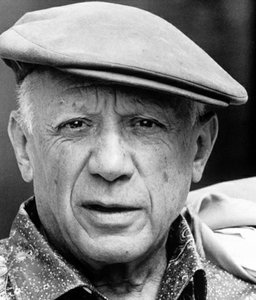
1881 - 1973 , Spagna

Esplora i 10 capolavori del Cubismo con BuyPopArt. Scopri Picasso, Braque e Gris e la rivoluzione artistica delle forme geometriche e dei colori audaci. Quadri iconici per decorare casa con stile! Esplora la collezione online.

Explore the evolution of cityscape painting from Realism to contemporary art with BuyPopArt. Discover key artists & invest in timeless urban visions. Expert guidance, museum-quality reproductions.

Esplora i 10 capolavori del Cubismo con ! Scopri Picasso, Braque e Gris e la rivoluzione dell'arte moderna. Quadri iconici, storie affascinanti e riproduzioni di alta qualità per decorare la tua casa. Esplora la collezione online!
Esplora i 10 capolavori acrilici che hanno rivoluzionato l'arte! Dalla potenza di Rothko all'innovazione di Warhol, scopri storie e tecniche. Trova riproduzioni arte su BuyPopArt.com e arreda con stile.

Esplora i 25 capolavori di Georges Braque, pioniere del Cubismo. Scopri la storia, le tecniche e l'impatto di opere iconiche come 'The Patience'. Trova riproduzioni d'arte di alta qualità per decorare casa tua su BuyPopArt.com.


Rimani aggiornato sulle ultime novità dell'arte, sulle offerte esclusive e sulle idee di decorazione.
Raccontaci del tuo progetto e i nostri esperti d'arte ti proporranno 3 suggerimenti artistici personalizzati.
Lascia che creiamo per te una selezione di 3 opzioni su misura – Gratis!


 Anteprima in scala reale
 Condividi
 Condividi
 Dettagli

 Scarica immagine
 Articoli simili
 Radiografia
 Slideshow
 Leggi tutto







 L'opzione vetro è disponibile solo per dimensioni inferiori a 110 cm