

Stampa giclée o su tela di qualità museale, con produzione rapida e diverse opzioni di finitura. ( Ordina la riproduzione dipinta a mano Acquista download)





























Scegli tra le nostre dimensioni predefinite, che rispettano le proporzioni originali dell'opera d'arte.

È possibile inserire dimensioni personalizzate per adattare l'opera a una cornice o a uno spazio specifico. Se la dimensione selezionata non corrisponde alle proporzioni dell'immagine originale, procederemo al ritaglio dell'opera o all'estensione dell'immagine con un bordo specchiato o a tinta unita. Un mockup digitale ti verrà inviato per approvazione prima dell'inizio della produzione.
Si prega di notare che l'anteprima a schermo non riflette il ritaglio o l'estensione effettivi. Solo il mockup mostrerà accuratamente la composizione finale.
Sebbene siano disponibili dimensioni personalizzate, si raccomanda di selezionare una dimensione dall'elenco predefinito per preservare le proporzioni originali.
Consegna in tutto il mondo () in 2 settimane invece delle normali 4/5 settimane. (18 Agosto)


St Michael and the Satan
Dimensioni della riproduzione
Raffaello Sanzio da Urbino (March 28 or April 6, 1483 – April 6, 1520), now generally known in English as Raphael (UK: RAF-ay-əl, US: RAF-ee-əl, RAY-fee-, RAH-fy-EL), stands as one of the undisputed masters of the High Renaissance—a period defined by unparalleled artistic innovation and humanist ideals. Alongside Leonardo da Vinci and Michelangelo, he constitutes the triumvirate that embodies the zenith of Florentine art, shaping aesthetic sensibilities for centuries to come.
Born in Urbino, Ducal State ruled by Federico da Montefeltro, Raphael’s formative years were steeped in intellectual ferment and artistic patronage. His father Giovanni Santi served as court painter to Federico, exposing young Raffaello to the glories of humanist scholarship alongside breathtaking visual splendor. This upbringing instilled a profound appreciation for beauty and proportion—principles that would permeate his entire oeuvre.
Raphael's genius resided not merely in technical virtuosity but also in his profound understanding of human psychology—a gift evident in his portraits and biblical narratives alike. He possessed an uncanny ability to convey emotion through subtle gestures and expressions, capturing the essence of character with breathtaking accuracy.
“St Michael Vanquishing Satan,” painted in 1505-6 for Pope Leo X—commissioned shortly after Leonardo’s death—represents a pivotal moment in Raphael's artistic trajectory. It embodies the High Renaissance preoccupation with theological allegory and visual grandeur, reflecting Federico da Montefeltro’s patronage of humanist scholarship.
The composition is meticulously crafted to convey a narrative of cosmic struggle—good versus evil—expressed through dynamic movement and masterful perspective. St Michael stands triumphant over Satan, wielding his spear poised to deliver the fatal blow—a gesture echoing biblical accounts of angelic warfare.
The painting’s enduring appeal stems from its ability to evoke profound spiritual contemplation—a testament to Raphael's mastery of artistic expression and his unwavering commitment to humanist ideals.
Raphael perfected the sfumato technique—developed by Leonardo da Vinci—characterized by subtle gradations of tone that create an ethereal haze—eliminating harsh outlines and enhancing atmospheric depth. This masterful manipulation of light and color distinguishes Raphael’s paintings from earlier styles, elevating them to levels of artistic sophistication unparalleled in their time.
His workshop diligently reproduced his drawings with remarkable precision, ensuring the preservation of his stylistic vision—a feat that underscores the enduring legacy of Raphael's artistic genius. Reproductions of St Michael Vanquishing Satan are available at BuyPopArt.
To learn more about Raphael’s life and works, visit Wikipedia: Raphael.
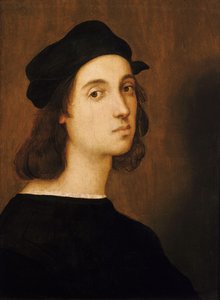
1483 - 1520 , Italia

Esplora i 25 capolavori immortali di Raffaello Sanzio, il maestro del Rinascimento italiano. Scopri la storia, le tecniche e l'emozione dietro dipinti iconici come 'La Scuola di Atene'. Trova riproduzioni d'arte di alta qualità per decorare casa tua su BuyPopArt.com.

Elevate your home with the sublime harmony of Raphael’s masterpieces. Explore iconic High Renaissance works, from St. George to The School of Athens, and discover how premium, hand-painted reproductions can transform your space into a sanctuary of classical elegance and timeless beauty.

Explore the rich history of biblical art from Giotto to the Renaissance masters with BuyPopArt. Discover symbolism, techniques & enduring legacies. Museum-quality reproductions & expert insights.

Esplora i 10 capolavori del Rinascimento Maturo con ! Scopri Leonardo, Michelangelo, Raffaello e altri maestri. Dipinti iconici, storie affascinanti e riproduzioni d'arte di alta qualità per la tua casa. Esplora la collezione online!

Explore the rich history of biblical art from Giotto to the Renaissance masters. Discover symbolism, techniques & enduring legacies with BuyPopArt – your source for museum-quality reproductions and expert art insights.


Rimani aggiornato sulle ultime novità dell'arte, sulle offerte esclusive e sulle idee di decorazione.
Raccontaci del tuo progetto e i nostri esperti d'arte ti proporranno 3 suggerimenti artistici personalizzati.
Lascia che creiamo per te una selezione di 3 opzioni su misura – Gratis!


 Anteprima in scala reale
 Condividi
 Condividi
 Dettagli

 Scarica immagine
 Articoli simili
 Radiografia
 Slideshow

 Leggi tutto







 L'opzione vetro è disponibile solo per dimensioni inferiori a 110 cm


-St-Michael-and-the-Satan.jpg)