

 Olio su telaArte da paretePre-Raphaelite Brotherhood
 1851
1851 49.0 x 59.0 cm
 Tate Britain
Olio su tela dipinto a mano nelle tue dimensioni e con la tua cornice, realizzato su ordinazione dai nostri artisti. ( Passa alla stampa Passa all'immagine)
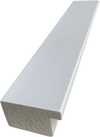
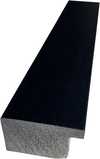
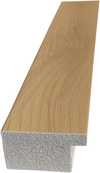
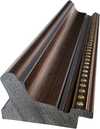
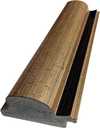
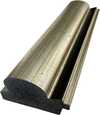
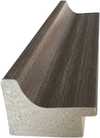
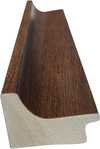
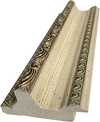
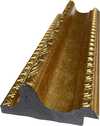
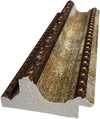
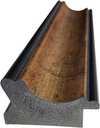
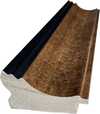
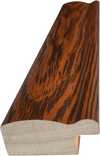
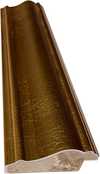
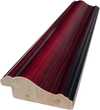
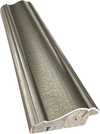
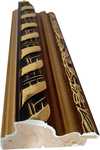
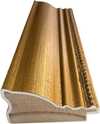
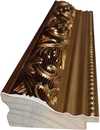
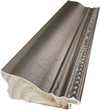
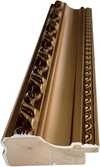
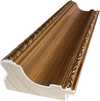
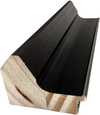
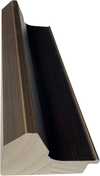
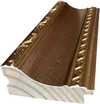
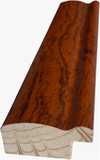
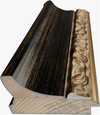
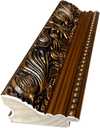
Scegli tra le nostre dimensioni predefinite, che rispettano le proporzioni originali dell'opera d'arte.

È possibile inserire dimensioni personalizzate per adattare l'opera a una cornice o a uno spazio specifico. Se la dimensione selezionata non corrisponde alle proporzioni dell'immagine originale, provvederemo a ritagliare l'opera o a estendere il dipinto con elementi aggiuntivi dipinti a mano. Un mockup digitale ti sarà inviato per approvazione prima dell'inizio della produzione.
Si prega di notare che l'anteprima a schermo non riflette il ritaglio o l'estensione effettivi. Solo il mockup mostrerà accuratamente la composizione finale.
Sebbene siano disponibili dimensioni personalizzate, consigliamo di selezionare una dimensione dall'elenco predefinito per preservare le proporzioni originali.
Consegna in tutto il mondo () in 3/4 settimane anziché nelle normali 5 settimane. (3 Agosto). Nessun compromesso sulla qualità.


Mariana
Dimensioni della riproduzione
John Everett Millais’s “Mariana,” painted in 1851, isn't merely a portrait; it’s an exquisitely rendered distillation of Victorian melancholy and the quiet desperation of a woman caught between longing and resignation. The painting immediately draws the viewer into a small, intimate chamber, dominated by a figure draped in a luminous blue gown – a color that simultaneously suggests both serenity and profound sadness. This isn't a scene of dramatic action or vibrant celebration; instead, Millais masterfully captures a moment of suspended animation, a pregnant pause within a life seemingly defined by waiting.
The subject, identified as Mariana from Shakespeare’s “Measure for Measure,” is positioned near a window adorned with stained glass panels depicting the Annunciation. This subtle detail introduces a layer of religious symbolism – the promise of divine grace juxtaposed against the woman's earthly sorrow. Her posture, with one hand resting on her hip and the other supporting a table laden with wine glasses and a vase, speaks volumes about her state of mind: poised between activity and inertia, engagement and detachment. The carefully arranged objects around her—the embroidery hoop, the fallen leaves, the scattered fruit – contribute to a sense of domesticity tinged with decay and loss.
Millais’s technical skill is breathtakingly evident in every brushstroke. He employed the Pre-Raphaelite style—a movement characterized by an obsessive attention to detail, a reverence for nature, and a rejection of academic conventions—to create an image that feels both hyperrealistic and intensely emotional. The embroidery itself is rendered with astonishing precision, each stitch painstakingly depicted, inviting the viewer to contemplate the labor and perhaps the loneliness associated with such meticulous work. The use of light is particularly noteworthy; it’s diffused and soft, bathing the scene in a melancholic glow that enhances the painting's overall mood.
“Mariana” is rich in symbolic meaning, reflecting the anxieties and sensibilities of Victorian society. The woman’s posture—stretching her back, seemingly burdened by an unseen weight—represents the constraints placed upon women during that era. Her gaze towards the window, a space offering both beauty and distance, symbolizes her yearning for something beyond her immediate circumstances. The fallen leaves suggest the passage of time and the inevitability of loss, while the stained-glass windows hint at a spiritual longing that remains unfulfilled.
Furthermore, the reference to Tennyson’s poem adds another layer of interpretation. Mariana's story is one of abandonment and despair, yet Millais transforms this tragic narrative into a poignant meditation on beauty, solitude, and the enduring power of human emotion. The painting isn’t simply about a woman in distress; it’s about the universal experience of longing—a feeling that transcends time and circumstance.
“Mariana” remains one of Millais's most celebrated works, captivating viewers with its haunting beauty and profound emotional resonance. It stands as a testament to the Pre-Raphaelite movement’s commitment to capturing the complexities of human experience—a poignant reminder that even in moments of quiet solitude, the heart can still ache with longing and unfulfilled desires. Reproductions of this masterpiece offer an opportunity to bring its evocative atmosphere into any space, serving as both a work of art and a window into the soul.

1829 - 1896 , Regno Unito
Esplora i 25 capolavori di Dante Gabriel Rossetti, pittore preraffaellita simbolo del romanticismo vittoriano. Scopri storie, tecniche e colori unici delle sue opere più famose. Trova riproduzioni d'arte di alta qualità per la tua casa su BuyPopArt.com

Esplora il movimento preraffaellita con BuyPopArt. Analisi approfondite di Millais, Rossetti e Hunt, tecniche innovative e l'impatto rivoluzionario sull'arte vittoriana. Scopri la bellezza e i dettagli narrativi delle opere più iconiche.
Esplora i 25 capolavori di Claude Monet, il maestro dell'Impressionismo. Scopri la storia, i colori e le tecniche dietro ninfee, paesaggi iconici e dipinti famosi. Trova riproduzioni artistiche di alta qualità per arredare casa con stile su BuyPopArt.com.

Esplora il mondo affascinante di Edmund Leighton, maestro della pittura vittoriana. Scopri le sue opere iconiche, l'influenza dei Preraffaelliti e la tecnica meticolosa che lo rese celebre. Approfondimenti storici e artistici su BuyPopArt.
Esplora i 25 capolavori di Paul Cézanne, il maestro dell'impressionismo e post-impressionismo. Scopri la storia, le tecniche e i colori iconici dietro opere come 'Le grandi bagnanti' e 'Mont Sainte-Victoire'. Trova riproduzioni artistiche di alta qualità per decorare la tua casa su BuyPopArt.com.


Rimani aggiornato sulle ultime novità dell'arte, sulle offerte esclusive e sulle idee di decorazione.
Raccontaci del tuo progetto e i nostri esperti d'arte ti proporranno 3 suggerimenti artistici personalizzati.
Lascia che creiamo per te una selezione di 3 opzioni su misura – Gratis!


 Anteprima in scala reale
 Condividi
 Condividi
 Dettagli

 Scarica immagine
 Articoli simili
 Radiografia
 Slideshow
 Leggi tutto
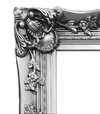
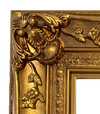
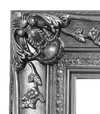
 L'opzione vetro è disponibile solo per dimensioni inferiori a 110 cm


