PreviewPreview Acquista stampa Acquista stampaOrdina la riproduzione Ordina la riproduzione InviaInvia
Dettagli operaDettagli opera Aggiungi ai preferiti Aggiungi ai preferiti ScaricaScarica SimiliSimili RadiografiaRadiografia SlideshowSlideshow

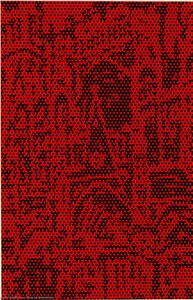
Rete 2

  • Data di creazione2017
  • Dimensioni25.0 x 33.0 cm

Ettore Sottsass (1917-2007) was a revolutionary Italian architect & designer known for pioneering postmodernism with the Memphis Group. His bold colors, geometric forms, and playful furniture challenged conventions and continue to inspire.

Acquista un'immagine digitale ad alta risoluzione e ottimizzata, di qualità nettamente superiore all'anteprima online.

Ogni file è meticolosamente preparato dai nostri specialisti interni attraverso l'uso di strumenti avanzati e un sapiente ritocco manuale. Garantiamo che ogni immagine presenti una chiarezza eccezionale, una precisione cromatica impeccabile e dettagli raffinati.

Il file finale viene consegnato via e-mail entro 72 ore, ottimizzato per un uso immediato in contesti professionali, editoriali e di stampa. Si tratta della stessa qualità affidata dai più prestigiosi studi di design, editori e gallerie d'arte.

Immagine Digitale

Scarica un file ad alta risoluzione per uso personale, per la stampa e per progetti creativi.

Prezzo totale

$9.99

Incluso in ogni ordine di immagini digitali

Consegna digitale professionale e garantita

Quando scegli BuyPopArt.com, non riceverai solo un'immagine: riceverai un'opera d'arte digitale professionalmente ottimizzata, realizzata con la massima precisione e accompagnata da una garanzia di soddisfazione. Ecco tutto ciò che include il tuo ordine, automaticamente:

shipping_icon
Consegna rapida via email

Riceverai il file dell'immagine digitale ad alta risoluzione via email entro 72 ore dall'ordine, pronto per un uso immediato.

canvas_icon
File digitale ottimizzato dall'IA

La tua opera d'arte viene ottimizzata professionalmente attraverso l'uso di strumenti avanzati di intelligenza artificiale e una revisione manuale, garantendo il massimo livello di dettaglio, nitidezza e accuratezza cromatica.

insurance_icon
Riconsegna gratuita a vita

Hai eliminato o perso accidentalmente il tuo file? Non preoccuparti: te lo invieremo di nuovo in qualsiasi momento, gratuitamente.

tax_icon
Nessun costo di importazione - Sempre

Goditi la tua opera d'arte istantaneamente senza costi doganali, dazi o spese di spedizione: i download digitali sono sempre esenti da tasse.

color_icon
Garanzia di fedeltà cromatica

Garantiamo che la tua immagine digitale rifletta i colori originali con la massima fedeltà, grazie all'uso di strumenti professionali e a una gestione accurata del colore.

return_icon
Garanzia di soddisfazione di 60 giorni

Se non sei soddisfatto della tua immagine digitale, la revisioneremo o ti rimborseremo il 100% entro 60 giorni, senza domande.

guarantee_icon
Garanzia di rimborso al 100%

Non sei soddisfatto? Ricevi un rimborso completo entro 60 giorni dalla ricezione del tuo file digitale, senza dover fornire spiegazioni.

discount_icon
Sconti per ordini multipli

Acquista 3 immagini, risparmia il 10% - Acquista 5, risparmia il 15% - Acquista 10+, risparmia il 20%. Ideale per progetti creativi, gallerie e agenzie.

Descrizione del Collezionabile

The design is just a few of the many patterns Sottsass developed for Abet Laminati, the Italian plastic laminate manufacturer. Sottsass began experimenting with the material on his Superboxes in 1966, and he designed trade fair booths for Abet in 1970. The laminates became the main palette from which Memphis designers based their furniture veneers and textiles. The pattern derives from common, everyday materials and objects: terrazzo, chain link, and sponges.

Biografia dell'artista

A Life in Color: The Radical Vision of Ettore Sottsass

Ettore Sottsass, born in Innsbruck, Austria, in 1917, was more than just a designer; he was a cultural provocateur who shattered the conventions of mid-century modernism. His journey began steeped in architectural tradition—his father, also named Ettore Sottsass, was a prominent figure within Italy’s rationalist architecture movement. Growing up in Turin during the rise of Fascism, young Sottsass absorbed the principles of functional design but would ultimately rebel against its austere rigidity. His early education at Politecnico di Torino provided a solid foundation, yet his path took an unexpected turn with military service during World War II, experiences he later recounted in his autobiography *Scritto di notte*. This period, marked by conflict and disillusionment, profoundly shaped his artistic sensibility, instilling a desire to break free from established norms. After the war, he established his own studio in Milan, embarking on an exploration of form, color, and material that would define his career.

From Olivetti to Global Tools: A Developing Aesthetic

Sottsass’s initial foray into design was largely within the realm of industrial production. His long association with Olivetti, beginning in 1958, proved pivotal. He wasn't merely designing typewriters and office equipment; he was imbuing them with personality, transforming utilitarian objects into expressions of pop culture vibrancy. The Valentine typewriter (1968), a bright red icon, stands as a testament to this approach—a playful challenge to the seriousness often associated with technology. However, Sottsass’s creative spirit extended beyond corporate commissions. He simultaneously pursued independent projects in ceramics, glasswork, and jewelry, experimenting with bold colors, geometric forms, and a growing fascination with ancient cultures. This period saw him involved in several avant-garde groups—Global Tools, Studio Alchimia—each contributing to the development of his unique aesthetic. He sought to infuse everyday life with joy and sensuality, rejecting the cold functionality that had dominated post-war design.

The Memphis Group: A Revolution in Design

In 1981, Sottsass founded the Memphis Group, a collective of designers who launched a full-scale assault on the established order. Named after Bob Dylan’s song “Like a Rolling Stone,” Memphis was characterized by its exuberant use of color, pattern, and unconventional materials—laminates, plastics, and terrazzo were embraced with unapologetic boldness. The Carlton Room Divider (1981), perhaps the group's most iconic creation, became a symbol of postmodern defiance. It wasn’t about creating “good taste”; it was about challenging the very notion of taste itself. Memphis designs weren’t intended to blend seamlessly into domestic interiors; they were meant to provoke, disrupt, and stimulate conversation. The movement, though relatively short-lived, had an immeasurable impact on design history, paving the way for a more pluralistic and expressive approach.

Beyond Furniture: A Holistic Vision

While often celebrated for his furniture designs, Sottsass’s creative output was remarkably diverse. He worked extensively in architecture, designing retail spaces for Esprit and private residences that reflected his playful sensibility. He also created glass objects, ceramics, jewelry, textiles, and paintings—each medium serving as a platform for exploring his core themes: the relationship between form and function, the power of color, and the influence of ancient cultures. His later work saw a shift towards more refined craftsmanship, utilizing precious materials like wood and metal to create pieces that were both sculptural and functional. He wasn’t simply designing objects; he was creating environments—total works of art that encompassed every aspect of daily life.

A Lasting Legacy: The Enduring Influence of Sottsass

Ettore Sottsass died in Milan in 2007, leaving behind a prolific body of work that continues to inspire designers today. His rejection of modernist dogma and his embrace of playful experimentation revolutionized the field, paving the way for a more inclusive and expressive design landscape. His influence can be seen in everything from contemporary furniture to graphic design and fashion. He demonstrated that design could be both intellectually rigorous and emotionally engaging—a powerful force for social change and cultural expression. Sottsass’s legacy is not simply about the objects he created, but about the freedom he championed—the freedom to challenge conventions, embrace individuality, and celebrate the beauty of imperfection. His work remains a potent reminder that design should be more than just functional; it should be a reflection of our deepest desires and aspirations.

Informazioni rapide

  • Artistic Movement Or Style: Postmodernism
  • Artists Or Movements Influenced By This Artist: ['Memphis Group']
  • Date Of Birth: September 14, 1917
  • Date Of Death: December 31, 2007
  • Full Name: Ettore Sottsass
  • Nationality: Italian
  • Notable Artworks:
    • Carlton Room Divider
    • Valentine Typewriter
    • Elea 9003 Computer
  • Place Of Birth: Innsbruck, Austria