アーティストの略歴
A Life Dedicated to the Visual Language of South Africa: Alan John Crump
Alan John Crump, born in Johannesburg in 1949 and passing away in 2009, was more than just an artist; he was a pivotal figure in shaping the landscape of South African art. His career wasn’t defined by prolific output but by a deeply considered engagement with his surroundings, a commitment to nurturing talent, and a fearless exploration of the relationship between art, politics, and society. Crump's journey began with formal training at the Michaelis School of Fine Art at the University of Cape Town, where he laid the foundation for a practice that would continually question conventional boundaries. A Fulbright Scholarship further broadened his horizons, taking him to the Department of Visual Arts at UCLA and New York University in the 1970s—experiences that undoubtedly influenced his later conceptual work, though he remained resolutely grounded in the unique context of South Africa.
From Conceptual Beginnings to Landscape’s Nuances
Returning to South Africa, Crump initially lectured art history at UNISA before finding a long and impactful home at the University of the Witwatersrand. At just 30 years old, he became one of the youngest professors in the institution's history, immediately setting about transforming the Fine Arts department into a vibrant hub for creative exploration. He championed the idea that artists should also be educators, actively recruiting promising young talent and fostering an environment where experimentation flourished alongside rigorous technical skill. While his early work leaned towards conceptualism—a response to the intellectual currents of his time—Crump gradually gravitated toward landscape painting, but not in a traditional sense. He wasn’t interested in idyllic vistas or picturesque scenes; instead, he sought out the often-overlooked and frequently scarred surfaces of the South African earth: excavations, mine workings, railway cuttings, slimes dams, and dumps became his subjects. These weren't merely depictions of places but meditations on human impact, the layers of history embedded within the land itself.
The Brixton Series and a Subversive Realism
Perhaps Crump’s most celebrated body of work is the Brixton Series, begun in 1991. These watercolors are remarkable for their expressive realism, dramatic skies, and nuanced textures. He captured the industrial outskirts of Johannesburg with an almost unsettling beauty, revealing a poetic quality within scenes often associated with degradation and exploitation. The series isn’t overtly political in its imagery—there are rarely human figures present—but it's deeply imbued with a sense of social consciousness. Crump wasn’t simply documenting these landscapes; he was prompting viewers to confront the consequences of industrialization, the hidden costs of progress, and the complex relationship between humanity and the environment. His technique, employing large-scale watercolors layered with dense color, pushed the boundaries of what the medium could achieve, creating works that are both visually arresting and intellectually stimulating.
A Legacy Beyond the Canvas
Crump’s influence extended far beyond his own artistic practice. He was a tireless advocate for the arts in South Africa, serving on numerous committees, advising galleries and museums, and curating important exhibitions. His decade-long chairmanship of the Grahamstown Festival committee saw him championing diverse voices and fostering a more inclusive art scene. Later in life, he played a crucial role in bringing major European modern masters—Chagall and Miró—to South Africa for the first time through his work with the Standard Bank International Exhibitions. He was awarded the Order of the Baobab in Silver in 2006, recognizing his significant contributions to the cultural life of the nation. His commitment wasn’t merely about promoting art; it was about using art as a catalyst for dialogue, understanding, and social change.
The Enduring Resonance of an Artist-Activist
Alan Crump's death in 2009 marked the loss of a truly unique voice. He left behind a relatively small but profoundly impactful body of work—objects, as he himself said, and the residue of his thoughts. His paintings continue to resonate today, offering a powerful commentary on the complexities of South African history and identity. Beyond the aesthetic qualities of his art, it is this unwavering commitment to social justice, coupled with his exceptional skill and subtle vision, that solidifies Crump’s place as one of the most important artists of his generation—a pioneer who dared to look beyond the surface and find beauty in the unexpected corners of a changing world.



 プレビュー
プレビュー
 プリント版に切り替え
 シェアする
シェアする シェアする
シェアする
 詳細を見る
詳細を見る

 ダウンロード
 似ている作品
 X線調査
X線調査 スライドショー
 詳細を見る
詳細を見る






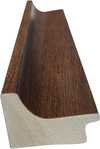
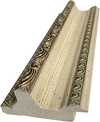
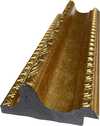
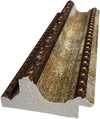
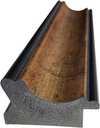
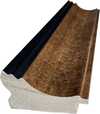

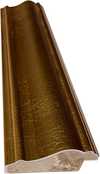


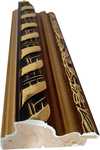

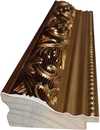

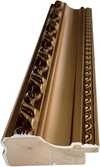

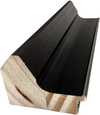
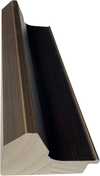





 ガラスオプションは、110cm未満のサイズでのみご利用いただけます。





