The Polyptych by
Andrea Da Murano is a stunning example of Renaissance art, showcasing the artist's skill and devotion to his craft. Created in 1478, this tempera on panel work measures 152 x 88 cm and is housed at the
Gallerie dell'Accademia in Venice, Italy.
The painting is divided into three sections or panels, each depicting a different scene. The top panel features a group of figures that seem to be religious in nature, possibly saints or angels, given their attire and the presence of what looks like a holy book or scripture. The central figure is holding an object that could be interpreted as a symbol of faith or devotion.
Artistic Style and Composition
The painting style is reminiscent of the Renaissance period, characterized by its attention to detail, use of perspective, and realistic human figures. The colors are vibrant, with a predominance of reds, blues, and yellows, which adds to the richness of the scene. The overall composition suggests that this could be a triptych or a series of panels meant to tell a story or convey a philosophical message.
Other notable artists of the Renaissance period include
Giovanni Bellini, who created the famous
Madonna with Child painting, and
Bartolomeo Vivarini, who painted the
Conversano Polyptych. These paintings can be found at the
Gallerie dell'Accademia in Venice, Italy, and are a testament to the artistic skill and innovation of the time. For more information on these paintings, visit
Andrea Da Murano: Polyptych and
Bartolomeo Vivarini: Conversano Polyptych.
Importance of the Painting
The Polyptych by
Andrea Da Murano is an important work of art, not only for its beauty and composition but also for its historical significance. It provides a glimpse into the artistic and cultural values of the Renaissance period and showcases the skill and craftsmanship of the artist.
- The painting is a prime example of Renaissance art, characterized by its use of perspective, realistic human figures, and vibrant colors.
- The composition suggests that this could be a triptych or a series of panels meant to tell a story or convey a philosophical message.
- The painting is housed at the Gallerie dell'Accademia in Venice, Italy, which is home to many other notable works of art from the Renaissance period, including paintings by Giovanni d'Alemagna, see more on Giovanni d'Alemagna.



 プレビュー
プレビュー
 プリント版に切り替え
 シェアする
シェアする シェアする
シェアする
 詳細を見る
詳細を見る

 ダウンロード
 似ている作品
 X線調査
X線調査 スライドショー


 詳細を見る
詳細を見る



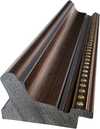





















 ガラスオプションは、110cm未満のサイズでのみご利用いただけます。





