


 Oil On CanvasWallArtSymbolism
 187719th Century
 117.0 x 93.0 cm
 Tate Gallery
迅速な制作と多彩な仕上げオプションを備えた、ミュージアムクオリティのジークレーまたはキャンバスプリント。 ( Switch to hand made Painting Switch to Image)
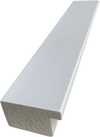
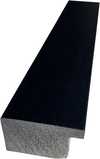
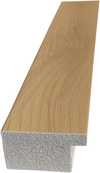
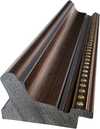
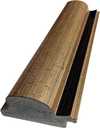
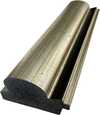
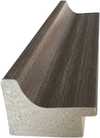
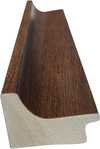

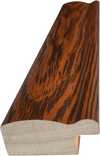
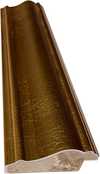
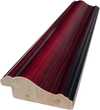
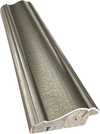
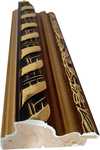
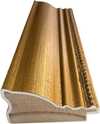
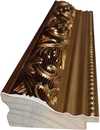
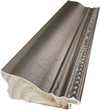
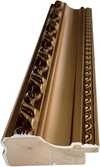
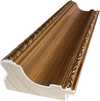
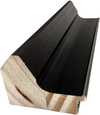
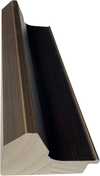
作品のオリジナル比率に合わせた、当店の規定サイズからお選びください。

特定のフレームやスペースに合わせて、ご自身でサイズを指定することも可能です。選択されたサイズが元の画像の比率と一致しない場合、作品をトリミングするか、鏡面反射または単色での塗りつぶしによって画像を拡張いたします。制作を開始する前に、ご確認用のデジタルモックアップをお送りいたします。
画面上のプレビューには、実際のトリミングや拡張は反映されませんのでご注意ください。最終的な構図を正確に確認できるのは、モックアップのみとなります。
カスタムサイズも承っておりますが、元の比率を維持するためには、あらかじめ用意されたリストからサイズを選択することをお勧めいたします。

The Minotaur
複製画のサイズ
George Frederic Watts’ “The Minotaur,” painted in 1885, is not merely a depiction of a monstrous figure from Greek mythology; it's a profound meditation on isolation, guilt, and the enduring power of primal narratives. This oil-on-panel masterpiece transcends simple illustration, offering a glimpse into the tormented psyche of a creature trapped within his own legend. Watts, a key figure in the Symbolist movement, masterfully employs color, composition, and texture to evoke a sense of brooding intensity—a palpable feeling of loneliness emanating from the Minotaur’s gaze.
Watts’ painting emerged during a period of intense social reform in Britain, fueled largely by the investigative journalism of W. T. Stead. Stead's harrowing exposé of child prostitution—detailed in his series “The Maiden Tribute of Modern Babylon”—brought the plight of vulnerable young women to public attention and galvanized calls for legislative change. Watts, deeply moved by this exposure, channeled his concern into "The Minotaur," using the myth as a potent allegory for the horrors of exploitation and the consequences of unchecked violence. The image isn’t simply a retelling of the myth; it's a direct response to a contemporary social crisis.
The painting itself is often interpreted as a commentary on the cyclical nature of violence, mirroring the Athenian practice of sending young men and women as sacrifices to the Minotaur. Watts deliberately obscures the Minotaur’s face, presenting him in profile—a “profil perdu”—which heightens his sense of mystery and vulnerability. This deliberate ambiguity forces the viewer to confront the creature's inherent sadness and isolation rather than simply viewing him as a terrifying monster.
Watts’ artistic style is immediately recognizable—a blend of realism and symbolic representation, heavily influenced by his studies in Italy. He utilizes rich, earthy tones – deep browns, ochres, and muted blues – to create a sense of age and solidity for the Minotaur's form. The rocky surface beneath him, rendered with thick impasto brushstrokes, adds texture and weight, grounding the figure within a desolate landscape. The turbulent sea and dramatic sky contribute to the painting’s overall atmosphere of foreboding and despair.
Notice the subtle details: the crushed bird clutched in the Minotaur's hand—a poignant symbol of innocence lost; the distant ship, representing the doomed sacrifices; and the creature’s downward gaze, suggesting a profound sense of regret. The composition itself is carefully constructed to emphasize the Minotaur’s isolation and vulnerability, drawing the viewer into his internal struggle.
“The Minotaur” remains a powerfully evocative work of art, continuing to resonate with audiences today. Its exploration of themes such as guilt, violence, and isolation transcends its mythological origins, offering a timeless commentary on the darker aspects of human nature. High-quality reproductions of Watts’ masterpiece are now available through BuyPopArt, allowing collectors and art enthusiasts alike to experience the beauty and emotional depth of this iconic painting firsthand. Whether displayed in a grand salon or a more intimate setting, “The Minotaur” serves as a reminder of the enduring power of myth and the importance of confronting uncomfortable truths.

1817 - 1904

ジョルジュ・ブラックの傑作25選。キュビスムを代表する画家、その革新的な色彩と技法に迫ります。名画から知られざる逸品まで、美術史に残る作品群をBuyPopArt.comで鑑賞。お部屋を彩るアートプリントも多数ご用意。今すぐオンラインでコレクションをご覧ください。

ジョルジュ・スーラの傑作25選。点描画の光と色彩、印象派から新印象派へ—BuyPopArtで美術史を紐解き、リビングやダイニングを彩る高品質なアートプリントを見つけましょう。セーラ作品集をオンラインで鑑賞ください。

クロード・モネの傑作25選。印象派を代表する光の画家、モネの世界を旅しませんか?睡蓮や風景画など、名画の背景にある物語と芸術技法をご紹介。BuyPopArtで高品質な複製画とインテリアアートを見つけましょう。全コレクションはこちら。

Explore the captivating Symbolist art of George Frederic Watts. Discover his allegorical masterpieces, classical influences & spiritual themes. Learn about his legacy and find high-quality reproductions at BuyPopArt.

Explore 10 iconic gray paintings by masters like Rembrandt, Hopper & Whistler. Discover the stories behind these atmospheric artworks and find museum-quality art reproductions for your home decor at . Explore the full collection online.


最新の美術ニュース、限定オファー、そしてインテリアのアイデアをいち早くお届けします。
お客様のプロジェクトについてお聞かせください。当社の美術専門家が、お客様に合わせた3つのパーソナライズされた芸術提案をご提供いたします。
あなたにぴったりの3作品を無料で厳選いたします


 Preview
 シェアする
シェアする シェアする
シェアする
 詳細を見る
詳細を見る

 ダウンロード
 似ている作品
 X線調査
X線調査 スライドショー
 詳細を見る
詳細を見る
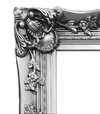
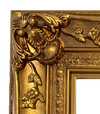
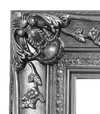


 ガラスオプションは、110cm未満のサイズでのみご利用いただけます。


