Sell Your Art
x
PreviewPreview AR previewAR preview Switch to hand made Painting Switch to hand made PaintingSwitch to Image Switch to Image シェアするシェアする
詳細を見る詳細を見る お気に入りに追加 お気に入りに追加 ダウンロードダウンロード 似ている作品似ている作品 X線調査X線調査 スライドショースライドショー

Charger

Discover Joseph-Théodore Deck (1823-1891), a pivotal 19th-century French ceramic artist. Renowned for his Japonisme-inspired designs, vibrant glazes & innovative techniques like cuera seca, Deck revolutionized art pottery and influenced Sèvres porcel

ジークレー/アートプリント

迅速な制作と多彩な仕上げオプションを備えた、ミュージアムクオリティのジークレーまたはキャンバスプリント。 (Switch to hand made Painting Switch to hand made PaintingSwitch to Image Switch to Image)
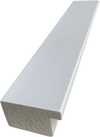
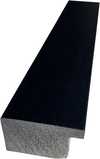
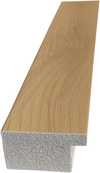
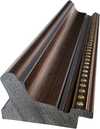
P118B $10
P118H $10
P118W $10
P438Z $10
P508JH $12
P508YH $12
P805H $10
P805Z $10
P919BZ $10
P919G $10
P919XJ $10
P959ZH $10
P968JZ $12
W106C $8
W218G $10
W218JH $8
W218Y $10
W307PJ $10
W316G $10
W316PJ $8
W316Y $10
W398PJ $8
W4111J $10
W500HY $15
W500JH $15
W692G $12
W849H $8
W940BG $15
W953PJ $8

Standard
custom
CM
INCH

作品のオリジナル比率に合わせた、当店の規定サイズからお選びください。

高さ

特定のフレームやスペースに合わせて、ご自身でサイズを指定することも可能です。選択されたサイズが元の画像の比率と一致しない場合、作品をトリミングするか、鏡面反射または単色での塗りつぶしによって画像を拡張いたします。制作を開始する前に、ご確認用のデジタルモックアップをお送りいたします。
画面上のプレビューには、実際のトリミングや拡張は反映されませんのでご注意ください。最終的な構図を正確に確認できるのは、モックアップのみとなります。
カスタムサイズも承っておりますが、元の比率を維持するためには、あらかじめ用意されたリストからサイズを選択することをお勧めいたします。

世界中への配送()は、標準の4〜5週間ではなく、2週間でお届けいたします。(29 7月)

why_choose_icon
世界中へ無料エクスプレス配送
why_choose_icon
高品質なリネンキャンバス
why_choose_icon
配送時完全保険付
why_choose_icon
関税・輸入税の払い戻し保証
why_choose_icon
忠実な色彩再現保証
why_choose_icon
60日間返品保証(製造上の欠陥のみ)
why_choose_icon
100% 全額返金保証
why_choose_icon
まとめ買い割引のご案内

合計金額

$ 75

reproduction

Charger

ジークレー/アートプリント

複製画のサイズ

-

合計金額

$ 75

作品詳細

  • Notable elements or techniques: Cuera seca glaze
  • Year: 1875
  • Artistic style: Symbolism
  • Location: NGV, Melbourne
  • Medium: Earthenware
  • Title: Charger
  • Dimensions: 4 × 30 cm diameter

アート・クイズ

各質問の正解は1つだけです。

問題 1:
What artistic movement heavily influenced Joseph Théodore Deck’s ceramic designs?
問題 2:
The image description highlights the prominent use of what glazing technique?
問題 3:
Deck’s workshop was located in which city?
問題 4:
What is the primary subject matter depicted on the ceramic plate?
問題 5:
Approximately when was this charger created?

作品詳細説明

Joseph Théodore Deck: Embracing Japonisme’s Influence in Ceramic Art

Joseph Théodore Deck (1823-1891) stands as an undeniable cornerstone of French ceramic art, marking a pivotal moment where artistic innovation intersected with cultural dialogue during the latter half of the 19th century. Born in Guebwiller, Alsace – then firmly within France’s grasp – Deck dedicated his life to elevating ceramics beyond mere functional considerations into canvases for aesthetic expression; a pursuit profoundly shaped by his unwavering fascination with Japanese art and craftsmanship—a movement known as Japonisme that captivated European artists and intellectuals alike.

Early Life & Artistic Foundations

Deck's artistic journey commenced humbly, beginning as an apprentice under Jean-Baptiste Clément, a respected Parisian potter whose workshop instilled in him a foundational understanding of ceramic techniques rooted in traditional French artisanal practices. This formative experience wasn’t merely about mastering the craft; it fostered a deep appreciation for heritage and established a crucial connection to the enduring legacy of French ceramics. Clément's influence ensured Deck wouldn’t simply replicate existing styles but would strive for excellence within established traditions.

The Birth of Atelier Deck & Japonisme’s Embrace

Recognizing the boundless potential for independent creativity, Deck boldly founded his own workshop in Paris in 1857—a decisive step away from institutional constraints and toward realizing his artistic vision. Within this space, he cultivated a spirit of experimentation and innovation, actively seeking new approaches to ceramic decoration. Crucially, Deck embraced Japonisme – the burgeoning admiration for Japanese art forms within French circles – incorporating elements of asymmetry, bold color palettes reminiscent of woodblock prints (ukiyo-e), and stylized floral motifs into his designs. This stylistic choice wasn’t merely fashionable; it represented a deliberate engagement with a radically different aesthetic sensibility originating across the Pacific Ocean.

Technique & Style: Cuera Seca – A Revolutionary Approach

Deck's artistic breakthroughs extended beyond stylistic influences, achieving remarkable technical advancements that redefined French ceramic production. He championed cuera seca—literally “dry leather”—a technique developed in Spain but adopted and perfected by Deck’s atelier. This method involved applying a thin layer of clay onto the surface of bisque ware (partially fired earthenware), creating an incredibly delicate glaze that adhered to the porous material with remarkable tenacity. The resulting surfaces possessed an unparalleled luminosity and textural richness, mirroring the subtle nuances found in Japanese lacquerware and contributing significantly to Deck’s distinctive visual style. This technique demanded meticulous skill and patience—a testament to Deck's dedication to pushing the boundaries of ceramic artistry.

Symbolism & Emotional Resonance: “Charger” – A Reflection of Aesthetic Ideals

Considered alongside works by contemporaries like Alexandre Cabanel and Gustave Moreau, Deck’s “Charger,” exemplified the Symbolist movement’s preoccupation with emotion and spiritual contemplation. The dish's composition—dominated by swirling blues and purples mirroring turbulent skies—captures a palpable sense of drama and unease. The stylized floral arrangement, reminiscent of Japanese garden designs, speaks to an idealized vision of nature imbued with mystical qualities. As evidenced in the Detroit Institute of Arts’ catalogue entry, Deck skillfully utilized color and form to evoke profound emotional responses – aligning perfectly with Symbolist artistic principles. This artwork serves as a powerful reminder that art transcends mere visual beauty; it aspires to communicate intangible ideas and feelings.

Conclusion: An Enduring Legacy

Joseph Théodore Deck's contribution to French ceramic art remains unparalleled, securing his place among the most influential figures of the Belle Époque. His embrace of Japonisme, coupled with his mastery of cuera seca and his unwavering commitment to artistic innovation, cemented his legacy as a pioneer who irrevocably transformed the aesthetic landscape of his time—a legacy that continues to inspire artists and collectors alike today.

アーティストの略歴

Joseph Théodore Deck (1823-1891): A Pioneer of French Japonisme

Joseph Théodore Deck stands as a monumental figure in the annals of French ceramic art, marking a decisive turn toward artistic innovation and cultural exchange during the latter half of the 19th century. Born in Guebwiller, Alsace (then part of France), Deck’s life was dedicated to elevating ceramics beyond mere utilitarian function into vehicles for aesthetic expression—a pursuit profoundly shaped by his fascination with Japanese art and craftsmanship.

  • Early Life & Apprenticeship: Deck began his artistic journey as an apprentice under Jean-Baptiste Clément, a respected Parisian potter. This formative experience instilled in him a foundational understanding of ceramic techniques and established a connection to the traditions of French artisanal production.
  • Establishment of Atelier Deck: Recognizing the potential for independent creativity, Deck founded his own workshop in Paris in 1857. Within this space, he cultivated a collaborative environment that fostered experimentation and propelled him toward groundbreaking achievements.

Deck’s artistic style was undeniably defined by Japonisme—the burgeoning Western enthusiasm for Japanese art and culture following Commodore Perry's opening of Japan to trade in 1853. Unlike many contemporaries who merely copied decorative motifs, Deck internalized the spirit of Japanese aesthetics, prioritizing asymmetry, subtle color gradations, and a deliberate rejection of rigid formalism. He skillfully employed cuera seca—a complex glazing technique involving multiple layers—to achieve remarkable textural effects and luminous colors that captured the essence of Japanese ceramics.

  • Innovative Techniques: Deck’s mastery of cuera seca allowed him to produce surfaces that shimmered with depth and nuance, mirroring the ethereal beauty found in Japanese porcelain. This technique demanded meticulous precision and artistic judgment, cementing Deck's reputation as a visionary craftsman.
  • Notable Works & Collections: Deck’s legacy resides in his celebrated charger series, housed prominently at the Detroit Institute of Arts—a testament to his enduring influence on American art history. Furthermore, his pieces grace the collections of the Musée Maurice Denis and Sèvres Porcelain Factory, ensuring that his artistic vision continues to inspire admiration and scholarly study.

Deck’s contributions extended beyond mere stylistic imitation; he championed a humanist approach to ceramic art, believing it could convey emotion and intellect. His work served as an inspiration for subsequent generations of artists, establishing him as a cornerstone of French artistic heritage. He received numerous awards during his lifetime recognizing his dedication to craftmanship and artistic excellence.

  • Recognition & Influence: Deck’s influence can be seen in the works of later ceramicists who embraced Japonisme's principles while forging their own distinctive voices.

Joseph Théodore Deck remains an unforgettable figure—a pioneer who transformed French ceramics into a realm of artistic contemplation and celebrated its ability to communicate beauty and sophistication.

josephe theodore deck

josephe theodore deck

1823 - 1891 , France

基本情報

  • Artistic Movement Or Style: Japonisme
  • Artists Or Movements Influenced By This Artist: ['Sèvres porcelain']
  • Artists Who Influenced This Artist:
    • Jean Carriès
    • Ernest Chaplet
  • Date Of Birth: 1823
  • Date Of Death: 1891
  • Full Name: Joseph Théodore Deck
  • Nationality: French
  • Notable Artworks:
    • Charger
    • La Japonaise
  • Place Of Birth: Guebwiller, France