x

プリントを購入 プリントを購入手描き複製画を注文する 手描き複製画を注文する画像を 購入する 画像を 購入する シェアするシェアする
お気に入りに追加 お気に入りに追加 ダウンロードダウンロード 似ている作品似ている作品 X線調査X線調査 スライドショースライドショー

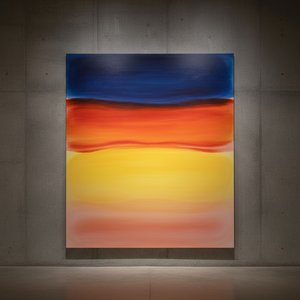
Untitled

A Meditation on Color and Absence: Examining Mark Rothko’s Untitled

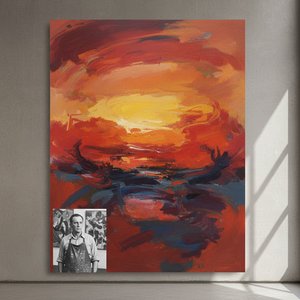
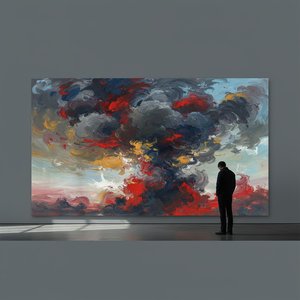
Mark Rothko's "Untitled," completed in 1941, stands as a cornerstone of American Abstract Expressionism—a movement that sought to transcend representational art and delve into the realm of emotion and psychological experience. This monumental canvas, measuring 46 x 62 cm, immediately captivates with its deceptively simple arrangement: three rectangular blocks of color – predominantly crimson, orange, and black – stacked vertically against a muted beige background. Yet, within this apparent minimalism lies an astonishing depth of contemplation and profound artistic intention. The painting’s stylistic approach is undeniably rooted in Rothko's pioneering exploration of Color Field Painting. Rejecting traditional brushstrokes and illusionistic techniques, he employed a technique known as “layered staining,” applying thin washes of pigment onto the canvas surface repeatedly until achieving a velvety, almost luminous texture. This method prioritizes color itself—its tonal variations and interactions—as the primary vehicle for conveying emotion rather than depicting recognizable forms or subjects. The deliberate blurring of edges contributes to an immersive experience, inviting viewers to lose themselves in the expanse of hue and allowing their gaze to wander across the surface. Historically, "Untitled" emerged during a period of intense artistic experimentation following World War II. Rothko’s work reflects the anxieties and uncertainties of the time—the trauma of conflict juxtaposed with a yearning for spiritual solace. Influenced by Eastern Orthodox Christianity, particularly the iconography of monastic churches, Rothko sought to evoke a sense of transcendence through his paintings. The muted beige background serves as an anchor, grounding the vibrant colors and creating a visual dialogue that speaks to themes of stillness, contemplation, and the sublime—concepts central to Rothko’s artistic philosophy. The trompe-l'œil element – the inclusion of a trombone – adds another layer of intrigue to this already complex composition. Positioned subtly within the lower section of the painting, it appears as if emerging from the canvas itself, disrupting our perception and prompting us to question the boundaries between reality and illusion. This deliberate gesture underscores Rothko’s fascination with visual deception and his desire to engage viewers intellectually alongside emotionally. It's a masterful technique that reinforces the painting's overarching theme of questioning accepted perceptions and inviting introspection. Ultimately, “Untitled” transcends mere aesthetic beauty; it is an invitation to confront existential questions about life, death, and the human condition. Rothko’s unwavering commitment to color as expressive medium resulted in a piece that continues to resonate with audiences today—a testament to the enduring power of abstract art to provoke thought and stir emotion. Its quiet grandeur remains a compelling reminder of the transformative potential inherent within simplicity and contemplation.

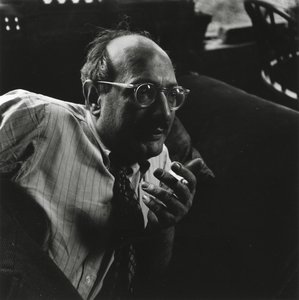
マーク・ロスコ(1903 – 1970)

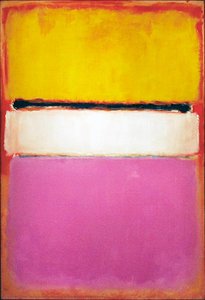
Daugavpils Latvia Mark Rothko Marcus Rothkowitz 抽象表現主義の巨匠、マーク・ロスコ。色彩豊かな画面が織りなす瞑想的な空間は、見る者の心に深く響きます。セagram美術館の壁画や、精神性を象徴するRothko Chapelなど、彼の作品は20世紀美術史に大きな足跡を残しました。 Color Field Painting Minimalism September 25, 1903 February 25, 1970 Mark Rothko American No. 10 (1950) ニューヨーク市, USA 2 マーク・ロスコはどこで生まれましたか?

作品詳細

作品詳細

  • Influences: European Surrealism
  • Movement: Abstract Expressionism
  • Title: Untitled
  • Medium: Oil on Canvas
  • Location: Private Collection
  • Year: 1941
  • Subject or theme: Emotional Landscape

QRコード

QRコード