A Fragmented Self: Unpacking the Enigma of ‘untitled (3252)’
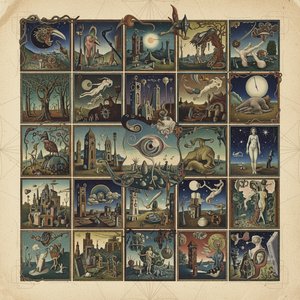
Max Ernst’s “untitled (3252)” isn't merely a painting; it’s an immersion into the fractured psyche, a visual echo of anxieties and intellectual pursuits that defined the early 20th century. The image – a figure enveloped in a swirling blue void, surrounded by what appear to be fragmented faces – immediately commands attention with its unsettling beauty. It’s a work born from a profound engagement with the burgeoning field of psychology, particularly Freud's theories on the unconscious, and a desire to represent not just outward appearance but the complex, often contradictory, inner landscape of the human mind.

Surrealism’s Roots: Dada and the Rejection of Reason
Ernst was a key figure in the development of Surrealism, a movement that emerged from the ashes of World War I as a direct reaction against the perceived failures of rational thought. Influenced heavily by Dada – a deliberately anti-art movement characterized by chaos and absurdity – Ernst sought to liberate art from the constraints of representation and logic. “untitled (3252)” embodies this spirit perfectly, employing techniques like automatism – spontaneous drawing or painting without conscious control – to tap into the subconscious and reveal hidden truths. The blue background isn’t simply a color choice; it represents the vast, unknowable depths of the unconscious mind, a space where reason dissolves and dreams take hold.
Technique and Composition: A Dance of Disruption
The painting's technique is characterized by layered applications of oil paint, creating a textured surface that adds to its unsettling quality. Ernst’s meticulous brushwork, combined with the deliberate distortion of form, generates a sense of unease. The central figure, seemingly constructed from multiple faces, suggests a disintegration of identity – a common theme in Surrealist art. The arrangement is deliberately chaotic yet carefully balanced; it's not random but meticulously crafted to evoke a specific emotional response. Note the subtle use of perspective, creating an illusion of depth within the confined space, further enhancing the feeling of disorientation.
Symbolism and Interpretation: A Portrait of the Artist’s Soul
The multiple faces surrounding the central figure are open to interpretation, but they likely represent the various facets of the self – memories, desires, fears, and suppressed emotions. The bird, a recurring motif in Ernst's work, often symbolizes freedom or escape, yet here it seems trapped within the blue void, suggesting a struggle for liberation. “untitled (3252)” can be seen as a deeply personal exploration of Ernst’s own anxieties and intellectual struggles, reflecting his fascination with psychology and his desire to understand the hidden forces that shape human behavior. It's a testament to the power of art to confront uncomfortable truths and challenge conventional perceptions.
A Legacy of Innovation: Ernst’s Enduring Influence
Max Ernst’s “untitled (3252)” stands as a pivotal work in the history of 20th-century art, demonstrating the profound impact of Surrealism on artistic expression. Its exploration of the subconscious, its innovative techniques, and its haunting imagery continue to resonate with viewers today. Reproductions like this offer a unique opportunity to experience the power of Ernst’s vision – a reminder that true beauty can be found in the unsettling, the fragmented, and the profoundly human.


 プレビュー
プレビュー
 プリントを購入
 シェアする
シェアする シェアする
シェアする
 詳細を見る
詳細を見る

 ダウンロード
 似ている作品
 X線調査
X線調査 スライドショー

 詳細を見る
詳細を見る






































 ガラスオプションは、110cm未満のサイズでのみご利用いただけます。