プリントを購入 プリントを購入画像を 購入する 画像を 購入する シェアするシェアする
詳細を見る詳細を見る お気に入りに追加 お気に入りに追加 ダウンロードダウンロード 似ている作品似ている作品 X線調査X線調査 スライドショースライドショー

5 4 3 2 - (1)

Pauline Boty (1938-1966) was a pioneering British Pop Art painter, the movement's sole female member. Her vibrant collages explored femininity, sexuality & popular culture, challenging societal norms and foreshadowing 70s feminism. Rediscovered artis

手描き油彩複製画

当社のアーティストが、お客様のご希望のサイズと額縁に合わせて、キャンバスに手描きで制作する油彩画です。

Standard
custom
CM
INCH

作品のオリジナル比率に合わせた、当店の規定サイズからお選びください。

高さ

特定のフレームやスペースに合わせて、ご希望のサイズをご入力いただけます。選択されたサイズが元の画像の比率と異なる場合、アートワークをトリミングするか、手描きで要素を追加して絵画を拡張いたします。デジタルモックアップ を制作し、制作開始前にご確認(承認)をいただきます。
画面上のプレビューは、実際のトリミングや拡張を正確に反映しているものではありません。最終的な構図は、モックアップによってのみ正確にご確認いただけます。
カスタムサイズもご利用いただけますが、元の比率を維持するためには、あらかじめ用意されたリストからサイズを選択することをお勧めいたします。

カスタマイズの例:顔をお客様の写真に置き換える、ペットを追加する(例:猫を犬に変更)、背景に隠れたメッセージを入れる、背景の風景や要素を変更するなど。
ご注文後、BuyPopArt.com チームより詳細な指示をお送りするとともに、仕上がりイメージ(モックアップ)をご提供いたします。

世界中への配送()は、通常の5週間ではなく、3〜4週間でお届けいたします。(16 7月)。品質には一切妥協いたしません。

why_choose_icon
世界中へ無料エクスプレス配送
why_choose_icon
高品質なリネンキャンバス
why_choose_icon
配送時完全保険付
why_choose_icon
関税・輸入税の払い戻し保証
why_choose_icon
忠実な色彩再現保証
why_choose_icon
60日間返品保証(製造上の欠陥のみ)
why_choose_icon
100% 全額返金保証
why_choose_icon
まとめ買い割引のご案内

合計金額

-

reproduction

5 4 3 2 - (1)

複製技法

複製画のサイズ

-

合計金額

-


アーティストの略歴

Pauline Boty: A Pioneer of British Pop Art

Pauline Boty (1938-1966) stands as a singular figure in the history of British art, recognized solely for her membership within the vibrant Pop Art movement. Her artistic vision—characterized by bold colors, geometric forms, and an unapologetic celebration of femininity—challenged societal expectations and foreshadowed the burgeoning feminist discourse of the 1970s. More than just an artist, Boty embodied a rebellious spirit that captivated audiences and cemented her place as a herald of a transformative era.

Early Life and Influences

Born in suburban South London in 1938 into a middle-class Catholic family, Boty’s formative years were shaped by the contrasting perspectives of her parents. Her father, a stern disciplinarian, instilled in her a keen awareness of her gender role within a patriarchal society—a stark contrast to her mother's own thwarted ambitions as an artist who had been denied parental permission to pursue her creative passions at Slade School of Fine Art. This familial dynamic undoubtedly fueled Boty’s determination to forge her own path and defy conventional limitations. The encouragement of her tutor, Charles Carey, to experiment with collage techniques proved pivotal in shaping her artistic style, propelling her toward a more exploratory approach.

Education and Artistic Development

Boty's academic journey began at Wimbledon School of Art in 1954 where she secured a scholarship—a remarkable achievement considering the limited opportunities available for women artists at the time. Her studies focused on lithography and stained glass design, equipping her with foundational skills that would inform her later explorations. Notably, Boty’s schoolmates affectionately dubbed her “the Wimbledon Bardot,” referencing Brigitte Bardot's iconic status as a symbol of youthful glamour and sexual liberation—a reference that resonated deeply with Boty’s artistic sensibilities. Her subsequent enrollment at the Royal College of Art (1958–61) solidified her commitment to honing her craft, albeit amidst institutional sexism that nevertheless fostered a supportive environment for ambitious students like herself.

The Birth of British Pop Art

Boty emerged as a key contributor to the burgeoning British Pop Art movement alongside artists such as Robyn Denny, Richard Smith and Bridget Riley. Her distinctive style—characterized by vibrant colors, bold geometric shapes, and often incorporating text—directly responded to the cultural landscape of postwar Britain. She skillfully blended influences from advertising imagery and popular culture, mirroring the broader trends of the period. Boty’s groundbreaking collages tackled themes of gender identity and sexuality with unflinching honesty, directly confronting societal prejudices and advocating for female empowerment. Works like “Big Jim Colosimo” and “Celia birtwell” exemplify her masterful use of visual language to convey complex emotions and ideas.

Legacy and Significance

Pauline Boty’s tragically premature death in 1966 cut short a brilliant artistic career, yet her legacy continues to inspire artists and scholars alike. Her pioneering role within British Pop Art established her as the movement's sole female voice—a courageous assertion of feminist ideals during a time when women’s contributions to art were often marginalized. Boty’s fearless exploration of femininity and sexuality paved the way for subsequent generations of feminist artists, solidifying her enduring influence on contemporary artistic discourse. Her work remains a testament to the transformative power of art as a vehicle for social commentary and personal expression.
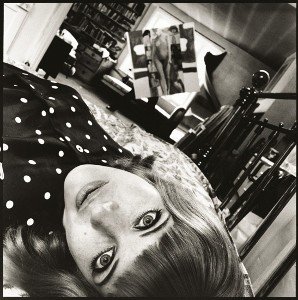
Pauline Boty

Pauline Boty

1938 - 1966

基本情報

  • Artistic Movement Or Style: British Pop Art
  • Artists Or Movements Influenced By This Artist:
    • David Hockney
    • Peter Blake
  • Artists Who Influenced This Artist: ['Charles Carey']
  • Date Of Birth: March 6, 1938
  • Full Name: Pauline Boty
  • Nationality: English
  • Notable Artworks:
    • The Only Blonde in the World
    • Big Jim Colosimo
    • Celia birtwell and some of her heroes
  • Place Of Birth: Carshalton, Surrey, England