Oil On CanvasWallArtHigh Renaissance
 1519
1519 179.0 x 207.0 cm
迅速な制作と多彩な仕上げオプションを備えた、ミュージアムクオリティのジークレーまたはキャンバスプリント。 ( Switch to hand made Painting Switch to Image)
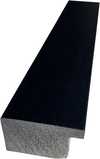
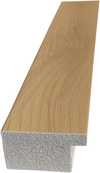
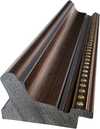
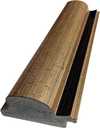
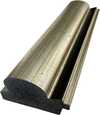
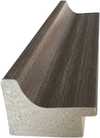
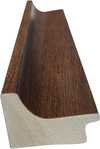
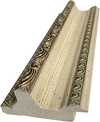
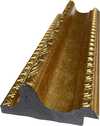
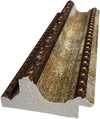
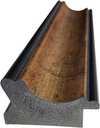
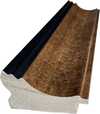
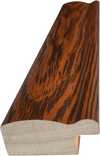
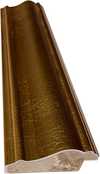
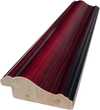
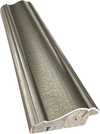
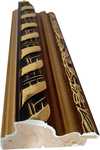
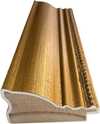
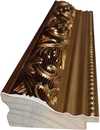
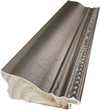
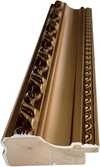
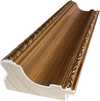
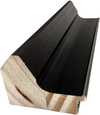
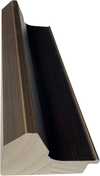
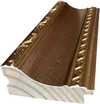
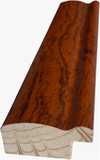
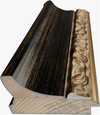
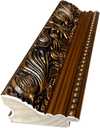
作品のオリジナル比率に合わせた、当店の規定サイズからお選びください。

特定のフレームやスペースに合わせて、ご自身でサイズを指定することも可能です。選択されたサイズが元の画像の比率と一致しない場合、作品をトリミングするか、鏡面反射または単色での塗りつぶしによって画像を拡張いたします。制作を開始する前に、ご確認用のデジタルモックアップをお送りいたします。
画面上のプレビューには、実際のトリミングや拡張は反映されませんのでご注意ください。最終的な構図を正確に確認できるのは、モックアップのみとなります。
カスタムサイズも承っておりますが、元の比率を維持するためには、あらかじめ用意されたリストからサイズを選択することをお勧めいたします。

The Annunciation
複製画のサイズ
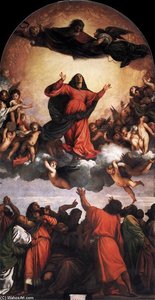
Titian’s “The Annunciation,” painted in 1519, presents a captivating and profoundly enigmatic scene that transcends the conventional religious iconography of its time. Measuring an impressive 179 x 207 cm, this work is not merely a depiction of Mary's acceptance of the divine message; it’s a complex meditation on human experience, rendered with Titian’s signature mastery of color and form. The painting depicts Mary kneeling in prayer, attended by an angel – yet, the scene is subtly unsettling, dominated by the presence of Philip II, the young heir to the Venetian throne, playing the organ. This unexpected inclusion immediately elevates the work beyond a straightforward biblical narrative.
Art historians have long debated the meaning behind this unusual composition, with many suggesting an allegorical interpretation. The prevailing theory posits that Titian employed the scene to represent the four senses – touch, sight, and hearing – through a carefully orchestrated interplay of elements. Mary’s kneeling posture and the angel's comforting presence evoke the sense of touch, while the vibrant colors and the musical performance stimulate the eye and ear respectively. The nakedness of Philip II, a bold artistic choice for the period, further reinforces this sensual reading, representing the raw, unfiltered experience of sensation.
It’s crucial to note that Titian was not adhering to any established mythological themes; instead, he seems to have deliberately subverted traditional religious conventions to explore fundamental aspects of human perception. This innovative approach aligns with the broader intellectual currents of the Renaissance, which emphasized observation and experience as pathways to knowledge.
Executed in oil on wood panel, “The Annunciation” exemplifies Titian's unparalleled skill in manipulating color. His use of rich, saturated hues – deep reds, blues, and golds – creates a luminous effect that seems to emanate from within the canvas. The artist’s brushwork is loose and expressive, contributing to the painting’s sense of movement and vitality. Notice particularly the rendering of Mary's drapery, which flows with an almost ethereal quality, achieved through subtle gradations of color and light.
Created in 1519, “The Annunciation” reflects the artistic and intellectual climate of Venice during the High Renaissance. Titian was a leading figure in the Venetian School, which prioritized color and sensual experience over the more austere ideals of Florentine art. This painting demonstrates his willingness to challenge conventions and explore new avenues for artistic expression. Its unusual subject matter and innovative composition have ensured its place as one of Titian’s most intriguing and debated works, offering a profound insight into the artist's genius and the complexities of Renaissance thought.
ティツィアーノ・ヴェチェッリオ(Tiziano Vecellio)、通称ティツィアーノは、イタリア・ルネサンス美術における最も重要な画家の一人であり、特に色彩表現においては他に類を見ない才能を発揮しました。彼は1490年頃にヴェネト地方のピエヴェ・ディ・カドーレで生まれ、その生涯をヴェネツィアで過ごし、ヨーロッパ全土に影響を与えました。彼の作品は、肖像画、神話画、宗教画など多岐にわたり、それぞれの分野において革新的な表現を見出しました。
幼少期、ティツィアーノはモザイク職人であるセバスティアーノ・ズッカトの工房で芸術を学び始めました。その後、ジェンティーレ・ベッリーニや彼の兄ジョヴァンニ・ベッリーニといった著名な画家たちのもとで研鑽を積みますが、特にジョルジョーネとの出会いは彼にとって決定的なものでした。二人は共同で作品に取り組み、その影響はティツィアーノの初期作品に色濃く残っています。しかし、ジョルジョーネの早逝後、ティツィアーノは独自の道を歩み始め、色彩と構図において新たな境地を開拓していきます。
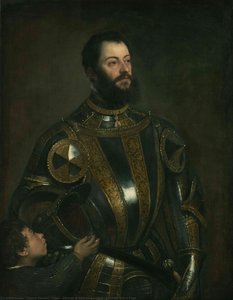
ティツィアーノの芸術的進化は、驚くべき多様性と実験精神によって特徴づけられます。初期の作品にはジョルジョーネの影響が強く見られ、繊細な抒情性と大気描写を巧みに操っています。『袖飾りをした男』のような肖像画では、被写体の外見だけでなく、内面的な性格までも捉えようとする試みが窺えます。成熟期に入ると、ティツィアーノはより大胆で劇的な色彩表現へと移行し、『受胎告知』に見られるように、複雑な構図と鮮やかな色彩を自在に操るようになりました。
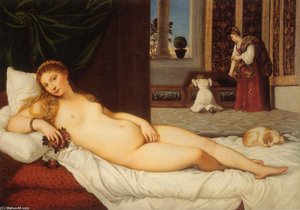
彼は絵具の重ね塗りという技法を駆使し、光と影の効果を最大限に引き出し、作品に深みと立体感を与えました。また、肖像画においては、被写体の心理状態や個性を見事に表現することで、単なる似顔絵を超えた芸術作品へと昇華させています。『ウルビーノのヴィーナス』は、その代表的な例であり、女性の裸体描写における新たな基準を打ち立てました。ティツィアーノの色彩感覚と構図構成能力は、当時の画家たちに大きな影響を与え、ヴェネツィア派絵画の特徴を決定づける要因となりました。
ティツィアーノの才能は瞬く間に評判となり、ヨーロッパ各地の有力な貴族や王侯から厚い信頼を得ました。神聖ローマ皇帝カール5世、スペイン国王フィリップ2世、教皇パウロ3世など、多くの権力者たちが彼の作品を求めたのです。これらのパトロンからの支援は、彼に莫大な富をもたらすだけでなく、大規模な作品制作の機会を与え、その芸術的才能をさらに開花させました。
ティツィアーノの作品は、ルネサンスからバロックへと移行する時期における重要な転換点となり、後の世代の画家たちに多大な影響を与えました。彼の影響を受けた画家としては、ピーテル・パウル・ルーベンスやレンブラントなどが挙げられます。彼の革新的な色彩表現と自由な筆致は、絵画の世界に新たな可能性をもたらし、西洋美術史における重要な遺産として今もなお高く評価されています。
美術館とコレクション: パドヴァのスクオーラ・デル・サントやヴェネツィアのサン・サルヴァドーレなど、ティツィアーノの傑作は世界中の美術館で鑑賞することができます。
関連する芸術家: ジョルジョーネの影響と、ルーベンスやドラクロワといった後世の画家たちへの影響を辿ることで、ティツィアーノの芸術的意義をより深く理解することができます。
歴史的背景: イタリア・ルネサンス美術とヴェネツィア派絵画の世界に浸り込むことで、ティツィアーノの芸術的業績をより深く理解することができます。
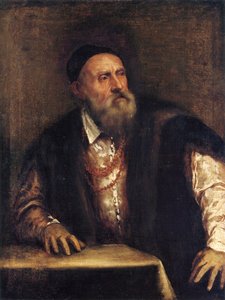
1490 - 1576 , イタリア
メトロポリタン美術館の至宝25選。モネ、ゴッホ、レンブラント…名画に秘められた物語と技法を紐解きます。印象派からルネサンスまで、時代を超えて輝く芸術作品をウォールアートで暮らしに取り入れませんか?BuyPopArt.comで全コレクションをご覧ください。

ボッティチェリの至宝25選。ルネサンス美術を代表する「春」「ヴィーナスの誕生」など、名画の物語と芸術史を紐解きます。BuyPopArtで高品質な複製画やインテリアアートを見つけ、お部屋に永遠の美を。今すぐコレクションをご覧ください。

ジャコポ・ティンコレットの至高の25選。ドラマと光の世界を彩るヴェネツィア派巨匠の名画を紐解きます。ルネサンス絵画からバロック絵画まで、BuyPopArtで高品質な複製画やインテリアアートを見つけましょう。傑作コレクションをオンラインで探求してください。
ミュンヘン・アルテ・ピナコテークの至宝25選。ドゥーラー、ラファエロ、レンブラントの名画を紐解き、ルネサンス美術とバロック美術の輝きをご堪能ください。BuyPopArtで高品質なアートプリントや複製画を見つけ、お部屋に芸術の彩りを。今すぐコレクションをご覧ください。
MoMAの至宝25選:ゴッホ、ピカソ、ウォーホル…名画に秘められた物語を紐解きます。印象派から現代アートまで、美術史を彩る傑作をBuyPopArtで。複製画やインテリアアートも豊富にご用意。今すぐコレクションをご覧ください。


最新の美術ニュース、限定オファー、そしてインテリアのアイデアをいち早くお届けします。
お客様のプロジェクトについてお聞かせください。当社の美術専門家が、お客様に合わせた3つのパーソナライズされた芸術提案をご提供いたします。
あなたにぴったりの3作品を無料で厳選いたします


 Preview
 シェアする
シェアする シェアする
シェアする
 詳細を見る
詳細を見る

 ダウンロード
 似ている作品
 X線調査
X線調査 スライドショー
 詳細を見る
詳細を見る


 ガラスオプションは、110cm未満のサイズでのみご利用いただけます。