

ტილოზე შესრულებული ფერწერიანი ზეთប្រდათი, თქვენთვის სასურველი ზომისა და ჩარჩოსთვის, ჩვენი ხელოვანების მიერ შეკვეთის საფუძველზე დამზადებული. ( შეიძინეთ პრინტი შეიძინეთ გამოსახულება)
აირჩიეთ ჩვენს მიერ წინასწარ განსაზღვრული ზომებიდან, რომლებიც ნაწარმოების ორიგინალურ პროპორციებს შეესაბამება.

თქვენ შეგიძლიათ მიუთითოთ თქვენთვის სასურველი ზომები კონკრეტული ჩარჩოს ან სივრცის შესაბამისად. თუ თქვენ მიერ არჩეული ზომა არ შეესაბამება ორიგინალი გამოსახულების პროპორციებს, ჩვენ ან შევაჭრებთ ნაწარმოებს, ან ტილოზე დავამატებთ ხელით მოხატულ ელემენტებს. წარმოების დაწყებამდე, დამტკიცებისთვის გამოგეგზავნებათ ციფრული მაკეტი.
გთხოვთ, გაითვალისწინოთ, რომ ეკრანზე ნაჩვენები წინასწარი შეხედულება არ ასახავს რეალურ შეჭრას ან გაფართოებას. საბოლოო კომპოზიციას ზუსტად მხოლოდ მაკეტი წარმოაჩენს.
მიუხედავად იმისა, რომ შესაძლებელია ინდივიდუალური ზომების შერჩევა, ორიგინალური პროპორციების შენარჩუნებისათვის გირჩევთ, გამოიყენოთ წინასწარ განსაზღვრული სიის ზომები.
მიწოდება მსოფლიო მასშტაბით -ში 3/4 კვირაში, სტანდარტული 5 კვირის ნაცვლად. (15 აგვისტო). ხარისხზე კომპრომისის გაკეთება არ მოხდება.


Indescribable horrors
რეკლამაციის ზომა
This stark black-and-white photograph, titled "Indescribable Horrors," offers a chilling glimpse into the aftermath of unimaginable suffering at Bergen-Belsen concentration camp in April 1945. Captured by Australian war artist Lieutenant Alan Moore, it serves as a powerful testament to the atrocities committed during World War II and stands as a poignant symbol of Nazi terror and the Holocaust.
Bergen-Belsen was initially established in 1940 but transformed into a collection point for Jewish prisoners evacuated from other camps as Allied forces advanced. Overwhelmed resources and rampant disease led to horrific conditions, with tens of thousands starving, sick, and dying. British and Canadian forces liberated the camp on April 15, 1945, revealing scenes so appalling that photographic units were dispatched to document them. Moore, attached to one such unit, meticulously recorded these horrors through sketches, drawings, and photographs – this image being among them. He described his process as a desperate attempt to capture the reality before it was lost or dismissed, stating, "I took a roll of 35mm photographs, which I’ve still got. They show everything that was there.”
The photograph presents a chaotic and disturbing scene: Nazi soldiers and onlookers gathered around a truck laden with corpses. The composition is crowded, emphasizing the scale of the event and the unsettling presence of those observing. Soldiers are actively handling bodies, while an individual wielding a whip adds to the sense of brutality. A large group – men, women, and children – stand as witnesses, their expressions obscured but conveying a palpable unease. The image utilizes traditional black-and-white film processing, resulting in a grainy texture that enhances the somber mood. The lighting is relatively flat, further contributing to the overall sense of despair. Perspective appears somewhat flattened, prioritizing documentation over creating a highly realistic illusion.
Beyond its immediate depiction of horror, "Indescribable Horrors" carries profound symbolic weight. It embodies the dehumanization of victims and the moral corruption inherent in totalitarian regimes. The image serves as a stark reminder of genocide and war crimes, prompting reflection on the fragility of human dignity and the importance of remembering such atrocities to prevent their recurrence. The photograph's emotional impact is undeniable; it’s a deeply unsettling visual record that challenges viewers to confront the darkest aspects of human history.

1953 - , United Kingdom
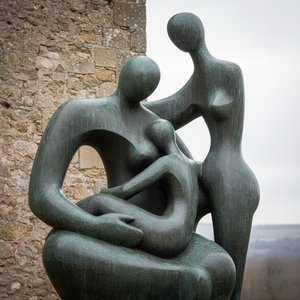
Explore the revolutionary sculptures of Henry Moore – abstract forms, reclining figures & powerful expressions of the human condition. Discover his legacy & artistic process with BuyPopArt.

Explore the life & critical work of Alan Clutton-Brock, a leading British art critic renowned for his insights into landscape painting and atmospheric realism. Discover his influence on post-war artistic discourse.

Explore 10 defining documentary photography masterpieces – from Dorothea Lange to Robert Capa. Discover powerful stories, iconic images & timeless art for your home. Museum-quality prints at .


ყოველთვის პირველი იყავით უახლესი ხელოვნების სიახლეების, ექსკლუზიური შეთავაზებებისა და დეკორაციის იდეების შესახებ ინფორმირებული.
გვიამარტეთ თქვენი პროექტის შესახებ და ჩვენი ხელოვნების ექსპერტები მოგაწვდით 3 პერსონალიზებულ რეკომენდაციას.
დაგვიძlinეთ სამი ვარიანტის შერჩევა სპეციალურად თქვენთვის – უფასოდ!


 გაგზავნა
 გაზიარება
 დეტალები

 ჩამოტვირთვა
 მსგავსები
 სლაიდშოუ


 გადასართად დაწვრილებით ნახეთ




































 მინის ჩარჩოს არჩევანი ხელმისაწვდომია მხოლოდ 110 სმ-ზე ნაკლები ზომისთვის


