

ტილოზე შესრულებული ფერწერიანი ზეთប្រდათი, თქვენთვის სასურველი ზომისა და ჩარჩოსთვის, ჩვენი ხელოვანების მიერ შეკვეთის საფუძველზე დამზადებული. ( გადართვა ბეჭდვაზე გადართვა სურათზე)





























აირჩიეთ ჩვენს მიერ წინასწარ განსაზღვრული ზომებიდან, რომლებიც ნაწარმოების ორიგინალურ პროპორციებს შეესაბამება.

თქვენ შეგიძლიათ მიუთითოთ თქვენთვის სასურველი ზომები კონკრეტული ჩარჩოს ან სივრცის შესაბამისად. თუ თქვენ მიერ არჩეული ზომა არ შეესაბამება ორიგინალი გამოსახულების პროპორციებს, ჩვენ ან შევაჭრებთ ნაწარმოებს, ან ტილოზე დავამატებთ ხელით მოხატულ ელემენტებს. წარმოების დაწყებამდე, დამტკიცებისთვის გამოგეგზავნებათ ციფრული მაკეტი.
გთხოვთ, გაითვალისწინოთ, რომ ეკრანზე ნაჩვენები წინასწარი შეხედულება არ ასახავს რეალურ შეჭრას ან გაფართოებას. საბოლოო კომპოზიციას ზუსტად მხოლოდ მაკეტი წარმოაჩენს.
მიუხედავად იმისა, რომ შესაძლებელია ინდივიდუალური ზომების შერჩევა, ორიგინალური პროპორციების შენარჩუნებისათვის გირჩევთ, გამოიყენოთ წინასწარ განსაზღვრული სიის ზომები.
მიწოდება მსოფლიო მასშტაბით -ში 3/4 კვირაში, სტანდარტული 5 კვირის ნაცვლად. (5 აგვისტო). ხარისხზე კომპრომისის გაკეთება არ მოხდება.


The Three Sisters
რეკლამაციის ზომა
Benjamin West's "The Three Sisters," painted in 1783, is more than just a charming depiction of three women enjoying a pastoral afternoon; it’s a carefully constructed tableau brimming with classical allusion, subtle symbolism, and the burgeoning spirit of American artistic identity. This drawing, remarkably preserved despite its relatively informal nature for West's oeuvre, offers a fascinating glimpse into the artist’s evolving style and his engagement with both European traditions and nascent notions of national art.
The scene unfolds within a lush, verdant garden – a deliberate choice that immediately evokes the idealized landscapes favored by artists of the Neoclassical period. The women themselves are rendered with an exquisite sense of elegance and composure. Their postures suggest relaxed conversation, yet there’s a palpable grace in their movements, mirroring the mythological Three Graces—symbols of beauty, charm, and joy. West masterfully captures this ethereal quality through loose, flowing lines and a delicate handling of charcoal, creating a sense of movement and vitality that belies the drawing's static composition. The arrangement of the figures – one seated on a bench, another gathering flowers, and the third reaching for a basket – establishes a harmonious balance, reflecting West’s deep understanding of classical principles of proportion and perspective.
Close examination reveals intriguing connections to earlier artistic traditions. The figure on the right, holding a sweet expression, bears a striking resemblance to a portrait attributed to Leonardo da Vinci—a detail that speaks volumes about West’s admiration for the Renaissance master. This deliberate homage underscores West's commitment to studying and mastering the techniques of his predecessors, while simultaneously asserting his own artistic voice. The drawing’s overall composition also echoes classical Roman frescoes, particularly those depicting scenes from mythology or pastoral life. West was deeply influenced by the study of ancient ruins during his travels in Italy, and this influence is evident in the careful attention to detail, the balanced arrangement of elements, and the idealized portrayal of the figures.
Furthermore, the inclusion of a woven basket filled with flowers hints at themes of fertility and abundance—a common motif in classical art. The women’s attire, though simple, suggests a connection to nature and a celebration of rural life. West's choice of subject matter reflects the prevailing artistic trends of the late 18th century, which favored scenes of idyllic beauty and moral virtue. However, unlike many of his contemporaries, West infused this genre with a distinctly American sensibility—a quiet dignity and an understated elegance that set him apart from the more overtly theatrical works produced in Europe.
Interestingly, the drawing's creation presents a slight anomaly within West’s established practice. Typically, artists of his generation meticulously prepared detailed sketches to serve as blueprints for larger paintings. The fact that this drawing lacks such preparatory studies is somewhat perplexing—suggesting perhaps an experiment in capturing a fleeting moment or a spontaneous impression. This informality contrasts sharply with the more rigorously planned and executed works that characterized much of West’s career, adding another layer of intrigue to its interpretation.
The loose manner in which he handled his pen here contrasts sharply with the more highly finished quality of his paintings. The drawing's lack of a direct connection to any known work by the artist is also noteworthy—a detail that has fueled speculation about its origins and purpose. Despite these uncertainties, “The Three Sisters” remains a testament to West’s artistic versatility and his enduring legacy as one of America’s first major painters.
“The Three Sisters” possesses an undeniable appeal that transcends its historical context. Its serene beauty, graceful figures, and subtle symbolism continue to resonate with viewers today. The drawing's delicate charcoal lines evoke a sense of intimacy and warmth, while the lush garden setting creates a feeling of tranquility and escape. Its composition—a harmonious blend of classical ideals and American sensibility—makes it an ideal subject for reproduction in interior design settings, bringing a touch of timeless elegance to any space. Collectors appreciate its historical significance and artistic merit, recognizing it as a pivotal work in the development of American art.

1738 - 1820 , ამერიკის შეერთებული შტატები
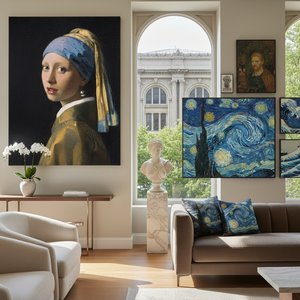
გაიცანით ნიუ-იორკის მეტროპოლიტენის 25 უმნიშვნელოვანესი შედევრი! ვან გოგის, მონეს და სხვა ცნობილი მხატვრების ნახატების ისტორია. სახლის დეკორისთვის ხელოვნების რეკონსტრუქცია BuyPopArt.com-ზე. Explore the full collection online!
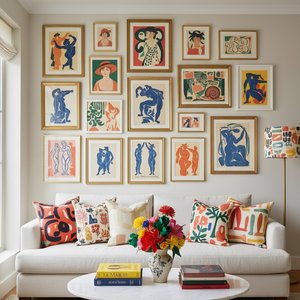
გაიცანით ანრი მატისის 25 შედევრი! ფოვიზმის ბრწყინვალება, ფერადი პორტრეტები და უნიკალური სტილი. ხელოვნების ისტორია BuyPopArt.com-ზე - მაღალი ხარისხის რეპროდუქციები თქვენი სახლისთვის. აღმოაჩინეთ მთელი კოლექცია ონლაინ!
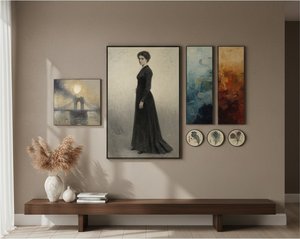
გაიცანით ჯეიმზ უისტლერის 25 შედევრი! ნოქტიურნები, პორტრეტები და იმპრესიონიზმის სილამაზე. ხელოვნების ისტორია BuyPopArt-ზე - მუზეუმის ხარისხის რესპროდუქციები თქვენი სახლისთვის. აღმოაჩინეთ უისტლერის ტილოები ონლაინ!
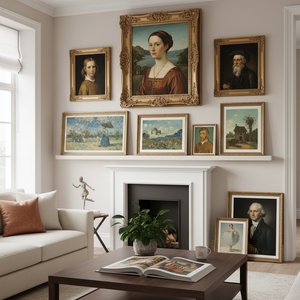
გაიცანით ვაშინგტონის ეროვნული გალერეის 25 საუკეთესო შედევრი! პოლ სეზანი, მატისი და პიკასოს ნახატების ისტორია. ხელოვნების ბეჭვრები BuyPopArt.com-ზე - სახლის დეკორისთვის და ინტერიერის გასაფართალებლად. აღმოაჩინეთ მთელი კოლექცია ონლაინ!
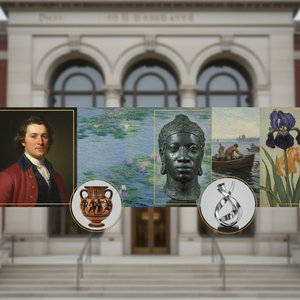
აღმოაჩინეთ ბოსტონის ხელოვნების მუზეუმის 25 გამორჩეული შედევრი! მონე, რემბრანდტი და სხვა ცნობილი მხატვრების ნახატები – ისტორია, ტექნიკა და შთაგონება თქვენს სახლში. ხარისხიანი რეპროდუქციები BuyPopArt.com-ზე.


ყოველთვის პირველი იყავით უახლესი ხელოვნების სიახლეების, ექსკლუზიური შეთავაზებებისა და დეკორაციის იდეების შესახებ ინფორმირებული.
გვიამარტეთ თქვენი პროექტის შესახებ და ჩვენი ხელოვნების ექსპერტები მოგაწვდით 3 პერსონალიზებულ რეკომენდაციას.
დაგვიძlinეთ სამი ვარიანტის შერჩევა სპეციალურად თქვენთვის – უფასოდ!


 წინასწარი ნახვა
 გაგზავნა
 გაზიარება
 დეტალები

 ჩამოტვირთვა
 მსგავსები
 რენტგენოგრაფიული კვლევა
 სლაიდშოუ


 გადასართად დაწვრილებით ნახეთ







 მინის ჩარჩოს არჩევანი ხელმისაწვდომია მხოლოდ 110 სმ-ზე ნაკლები ზომისთვის


