

 Oil On CanvasWallArtModernism
 1943
1943 41.0 x 36.0 cm
 Arts Council Collection
მუზეუმის დონის ჟიკლე ან ტილოზე ბეჭდვა სწრაფი წარმოებისა და დასრულების მოქნილი ვარიანტებით. ( შეიძინეთ ხელით შესრულებული ნახატი შეიძინეთ გამოსახულება)





























აირჩიეთ ჩვენს მიერ წინასწარ განსაზღვრული ზომებიდან, რომლებიც ნაწარმოების ორიგინალურ პროპორციებს შეესაბამება.

თქვენ შეგიძლიათ მიუთითოთ საკუთარი ზომები კონკრეტული ჩარჩოსთვის ან სივრცისთვის მოსარგებლებლად. თუ თქვენ მიერ არჩეული ზომა არ შეესაბამება ორიგინალი გამოსახულების პროპორციებს, ჩვენ ან დავჭრით ნამუშევარს, ან გავაფართოვებთ გამოსახულებას სარკული ან ერთფეროვანი კიდეებით. წარმოების დაწყებამდე თქვენს დასამტკიცებლად გამოგეგზავნებათ ციფრული მაკეტი.
გთხოვთ, გაითვალისწინოთ, რომ ეკრანზე ნაჩვენები წინასწარი ნახვა არ ასახავს რეალურ ჭრას ან გაფართოებას. მხოლოდ მაკეტზე იქნება ზუსტად წარმოდგენილი საბოლოო კომპოზიცია.
მიუხედავად იმისა, რომ ინდივიდუალური ზომები ხელმისაწვდომია, ორიგინალური პროპორციების შესანარჩუნებლად გირჩევთ, აირჩიოთ ზომა წინასწარ განსაზღვრული სიისგან.
მიწოდება მთელ მსოფლიოში () 2 კვირაში, სტანდარტული 4/5 კვირის ნაცვლად. (20 აგვისტო)


Diana
რეკლამაციის ზომა
David Bomberg’s Diana, painted in 1943, immediately draws the viewer into a moment of profound introspection. The central figure, clad in a striking red jacket, commands attention against a warm, almost incandescent orange background. Her posture—hand delicately placed near her face, suggesting contemplation or perhaps a momentary veil over deep thought—lends an air of enigmatic grace to the composition. Bomberg, a key member of the vibrant 'Whitechapel Boys,' captures not just a likeness, but a palpable state of being. The interplay between the vivid red garment and the surrounding autumnal glow creates an immediate visual tension, anchoring the viewer's gaze to the woman’s downward, thoughtful expression.
To appreciate Diana is to understand the trajectory of early 20th-century British modernism. While Bomberg’s training exposed him to the structured lessons of Cézanne and the dynamism of avant-garde movements, this piece retains a raw, emotional immediacy characteristic of his later work. His technique here suggests a masterful handling of paint, where form is suggested through bold planes of color rather than minute detail. The presence of other figures—one subtly placed in the upper left and another near the bottom right—suggests that the central subject exists within a larger social or psychological tableau. These secondary elements do not distract; rather, they frame the primary emotion, giving the scene depth beyond a simple portrait.
The title, Diana, evokes classical associations with the huntress and the goddess of the moon—figures often linked to mystery, independence, and feminine power. Yet, Bomberg grounds this mythological echo in a very human moment. The red jacket can be interpreted as passion or vitality against the backdrop of the fading orange light, perhaps symbolizing memory or the passage of time itself. The woman’s gesture is universally understood: it speaks of secrets held close, of beauty observed from within. For the collector or designer, this painting offers more than mere decoration; it offers a conversation piece—a meditation on introspection that resonates deeply in contemporary life.
Reproducing the power of Diana allows one to integrate a piece steeped in artistic history and emotional weight into any interior space. The rich palette, dominated by the fiery contrast of red and orange, makes it an exceptional focal point for rooms seeking depth and character. Whether displayed above a console table or as a centerpiece in a gallery wall, this reproduction captures Bomberg’s unique ability to infuse everyday subjects with monumental feeling. It is a piece that demands a pause, inviting quiet contemplation amidst the bustle of modern living.
დაიბადა პოლিশ-ებრაელი ემიგრანტების, აბრაამ და რებეკა ბომბერგის ოჯახში. თავდაპირველად სწავლობდა City and Guilds-ის ტექნიკურ სახელოვნებო სკოლაში, რის შემდეგაც ბირმინგ heaviest-ში ლითოგრაფობის ხელოვნებას ეუფლებოდა.
ვესტმინსტერის სახელოვნებო სკოლაში (1908-1910) ვოლტერ სიკერტის მეთოდოლოგიით სწავლა შეძლო, სადაც სიკერტისადმი მიდრეკილებამ ფორმისა და ურბანული ცხოვრებისადმი ყურადღებისმიერმა აქცენტებმა დიდ გავლენა მოახდინა მის შემოქმედებაზე. 1910 წლის როჯერ ფრაის გამოფენით „მანე და პოსტიმპრესიონისტები“ პაულ კლზენთან შეხება გადამწყვეტი აღმოჩნდა. შემდგომში სწავლობდა სლეიდის სახელოვნებო სკოლაში (1911), სადაც თავის თანაკლასელ ისაკ როზენბერგის ნატურისკენ მიბმულმა ნახატმა ტონკსის პრემია მოუტანა.
პირველ მსოფლიო ომში ჯარისკაცად მონაწილეობამ ღრმად შეცვალა მისი მხედველობა და აბსტრაქციული ხელოვნებისგან უფრო რეალისტური ფორმებისკენ გადასვლა გამოიწვია.
1920-იან წლებში ბომბერგმა უფრო ფიგურატულ სტილს მიჰყვებოდა, რაც ფოკუსირებული იყო პორტრეტებსა და პირდაპირ ბუნებიდან აღებულ ლანდშაფტებზე. მან განავითარა ექსპრესიონისტული ტექნიკა, რომელიც გამოირჩეოდა ტექსტურური იმპასტოთი და ემოციური ინტენსივობით.
ახლო აღმოსავლეთსა და ევროპაში განხორციელებულმა ვრცელმა მოგზაურობებმა მნიშვნელოვანი გავლენა მოახდინა მის შემდგომ ნამუშევრებზე, განსაკუთრებით კი იერუსალიმის გამოსახულებებმა დატოვდა დაუვიწყარ კვალს.

1890 - 1957 , გ यूनाइटेड কিংნეპში

Explore the groundbreaking work of David Bomberg, a pivotal figure in British abstraction. Discover his artistic evolution, influences, and lasting legacy through insightful analysis & expert commentary.

Explore the rich symbolism of the red dress in art history! From ancient power displays to iconic portraits like Cézanne’s 'Madame Cezanne', discover the cultural and artistic significance behind this captivating color. Expert analysis & insights.

აღმოაჩინეთ მარკ როთკოს 25 საუკეთესო შედევრი! გაიგეთ აბსტრაქტული ექსპრესიონიზმის ისტორია, ფერების სიმღერა და მათი გავლენა თანამედროვე ხელოვნებაზე. ხარისხიანი რეპროდუქციები BuyPopArt.com-ზე. Explore the full collection online!
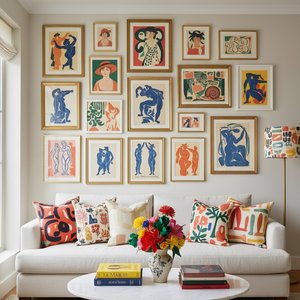
გაიცანით ანრი მატისის 25 შედევრი! ფოვიზმის ბრწყინვალება, ფერადი პორტრეტები და უნიკალური სტილი. ხელოვნების ისტორია BuyPopArt.com-ზე - მაღალი ხარისხის რეპროდუქციები თქვენი სახლისთვის. აღმოაჩინეთ მთელი კოლექცია ონლაინ!

Explore the captivating world of Gerard David, a pivotal figure bridging late medieval artistry with the Early Renaissance. Discover his innovative techniques, religious masterpieces, and enduring legacy – a must-read for discerning art collectors.


ყოველთვის პირველი იყავით უახლესი ხელოვნების სიახლეების, ექსკლუზიური შეთავაზებებისა და დეკორაციის იდეების შესახებ ინფორმირებული.
გვიამარტეთ თქვენი პროექტის შესახებ და ჩვენი ხელოვნების ექსპერტები მოგაწვდით 3 პერსონალიზებულ რეკომენდაციას.
დაგვიძlinეთ სამი ვარიანტის შერჩევა სპეციალურად თქვენთვის – უფასოდ!


 წინასწარი ნახვა
 გაგზავნა
 გაზიარება
 დეტალები

 ჩამოტვირთვა
 მსგავსები
 რენტგენოგრაფიული კვლევა
 სლაიდშოუ
 გადასართად დაწვრილებით ნახეთ







 მინის ჩარჩოს არჩევანი ხელმისაწვდომია მხოლოდ 110 სმ-ზე ნაკლები ზომისთვის


