

 Oil On CanvasWallArtEarly Modern
 1948
1948 132.0 x 99.0 cm
 Walker Art Gallery
ტილოზე შესრულებული ფერწერიანი ზეთប្រდათი, თქვენთვის სასურველი ზომისა და ჩარჩოსთვის, ჩვენი ხელოვანების მიერ შეკვეთის საფუძველზე დამზადებული. ( გადართვა ბეჭდვაზე გადართვა სურათზე)





























აირჩიეთ ჩვენს მიერ წინასწარ განსაზღვრული ზომებიდან, რომლებიც ნაწარმოების ორიგინალურ პროპორციებს შეესაბამება.

თქვენ შეგიძლიათ მიუთითოთ თქვენთვის სასურველი ზომები კონკრეტული ჩარჩოს ან სივრცის შესაბამისად. თუ თქვენ მიერ არჩეული ზომა არ შეესაბამება ორიგინალი გამოსახულების პროპორციებს, ჩვენ ან შევაჭრებთ ნაწარმოებს, ან ტილოზე დავამატებთ ხელით მოხატულ ელემენტებს. წარმოების დაწყებამდე, დამტკიცებისთვის გამოგეგზავნებათ ციფრული მაკეტი.
გთხოვთ, გაითვალისწინოთ, რომ ეკრანზე ნაჩვენები წინასწარი შეხედულება არ ასახავს რეალურ შეჭრას ან გაფართოებას. საბოლოო კომპოზიციას ზუსტად მხოლოდ მაკეტი წარმოაჩენს.
მიუხედავად იმისა, რომ შესაძლებელია ინდივიდუალური ზომების შერჩევა, ორიგინალური პროპორციების შენარჩუნებისათვის გირჩევთ, გამოიყენოთ წინასწარ განსაზღვრული სიის ზომები.
მიწოდება მსოფლიო მასშტაბით -ში 3/4 კვირაში, სტანდარტული 5 კვირის ნაცვლად. (6 აგვისტო). ხარისხზე კომპრომისის გაკეთება არ მოხდება.


Sketch
რეკლამაციის ზომა
David Bomberg’s “Sketch,” painted in 1948, isn’t merely a depiction of a scene; it’s an embodiment of the artist’s evolving vision during a pivotal period in British art. Born into a Polish-Jewish family in Birmingham and deeply influenced by the avant-garde movements swirling around London – Cubism, Futurism, and the radical ideas championed by Roger Fry – Bomberg sought to translate these complex influences into a distinctly personal language. This particular work, created shortly after his expulsion from the Slade School of Art for his perceived “audacity,” reflects both a rejection of academic constraints and an embrace of dynamic abstraction. The painting’s raw energy and fragmented forms speak volumes about the anxieties and transformations shaping the post-war artistic landscape.

Bomberg’s technique in “Sketch” is immediately arresting. He employs a bold, almost aggressively simplified palette dominated by vibrant reds, oranges, and yellows – colors that evoke both heat and intensity. These hues are layered and blended with remarkable skill, creating a sense of depth and movement despite the painting's predominantly geometric structure. The composition itself is fractured, composed of interlocking planes and angular shapes that seem to vibrate with energy. This deliberate fragmentation isn’t chaotic; rather, it mirrors the artist’s exploration of form and his desire to capture not just what he *saw*, but how he *felt* about what he saw. The use of thick impasto – applying paint in heavy layers – adds a tactile quality to the work, inviting the viewer to engage with its surface.
Bomberg was part of the “Whitechapel Boys,” a group of young artists who challenged the established artistic conventions of early 20th-century London. This collective, including Mark Gertler and Stanley Spencer, were deeply influenced by the avant-garde movements emerging from Paris and Italy. His time at the Slade School of Art, under the tutelage of Henry Tonks, provided a crucial foundation, but Bomberg quickly surpassed his teacher’s more traditional approach. His work reflects this trajectory, incorporating elements of Cubism – particularly in its emphasis on multiple perspectives – alongside the dynamism of Futurism and the emotional intensity of Expressionism. Further research reveals that Bomberg's exploration of Jerusalem Church (as documented in a separate BuyPopArt article) demonstrates his continued interest in capturing spiritual themes through abstract forms.
“Sketch” is more than just a visually striking composition; it's an exploration of emotional states. The intense colors and fragmented forms evoke feelings of both excitement and unease. Some art historians interpret the painting as a reflection of Bomberg’s personal struggles, particularly his experiences in the trenches during World War I. The dynamism of the composition suggests a restless spirit, while the underlying geometric structure hints at an attempt to impose order on chaos. Ultimately, “Sketch” invites viewers to contemplate the complexities of human experience and the power of art to capture the intangible.
დაიბადა პოლিশ-ებრაელი ემიგრანტების, აბრაამ და რებეკა ბომბერგის ოჯახში. თავდაპირველად სწავლობდა City and Guilds-ის ტექნიკურ სახელოვნებო სკოლაში, რის შემდეგაც ბირმინგ heaviest-ში ლითოგრაფობის ხელოვნებას ეუფლებოდა.
ვესტმინსტერის სახელოვნებო სკოლაში (1908-1910) ვოლტერ სიკერტის მეთოდოლოგიით სწავლა შეძლო, სადაც სიკერტისადმი მიდრეკილებამ ფორმისა და ურბანული ცხოვრებისადმი ყურადღებისმიერმა აქცენტებმა დიდ გავლენა მოახდინა მის შემოქმედებაზე. 1910 წლის როჯერ ფრაის გამოფენით „მანე და პოსტიმპრესიონისტები“ პაულ კლზენთან შეხება გადამწყვეტი აღმოჩნდა. შემდგომში სწავლობდა სლეიდის სახელოვნებო სკოლაში (1911), სადაც თავის თანაკლასელ ისაკ როზენბერგის ნატურისკენ მიბმულმა ნახატმა ტონკსის პრემია მოუტანა.
პირველ მსოფლიო ომში ჯარისკაცად მონაწილეობამ ღრმად შეცვალა მისი მხედველობა და აბსტრაქციული ხელოვნებისგან უფრო რეალისტური ფორმებისკენ გადასვლა გამოიწვია.
1920-იან წლებში ბომბერგმა უფრო ფიგურატულ სტილს მიჰყვებოდა, რაც ფოკუსირებული იყო პორტრეტებსა და პირდაპირ ბუნებიდან აღებულ ლანდშაფტებზე. მან განავითარა ექსპრესიონისტული ტექნიკა, რომელიც გამოირჩეოდა ტექსტურური იმპასტოთი და ემოციური ინტენსივობით.
ახლო აღმოსავლეთსა და ევროპაში განხორციელებულმა ვრცელმა მოგზაურობებმა მნიშვნელოვანი გავლენა მოახდინა მის შემდგომ ნამუშევრებზე, განსაკუთრებით კი იერუსალიმის გამოსახულებებმა დატოვდა დაუვიწყარ კვალს.

1890 - 1957 , გ यूनाइटेड কিংნეპში

აღმოაჩინეთ მარკ როთკოს 25 საუკეთესო შედევრი! გაიგეთ აბსტრაქტული ექსპრესიონიზმის ისტორია, ფერების სიმღერა და მათი გავლენა თანამედროვე ხელოვნებაზე. ხარისხიანი რეპროდუქციები BuyPopArt.com-ზე. Explore the full collection online!
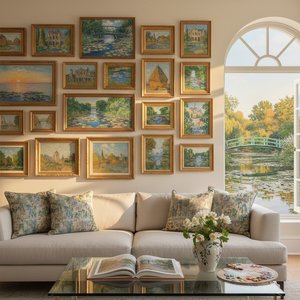
გაიცანით კლოდ მონეს 25 შედევრი! იმპრესიონიზმის ისტორია, წყლის ლილიებიდან გარეუბნის ხედებამდე. BuyPopArt-ში ნახატების უმაღლესი ხარისხის რეპროდუქციები და ინტერიერის დიზაინის იდეები. აღმოაჩინეთ ხელოვნების სილამაზე ონლაინ!
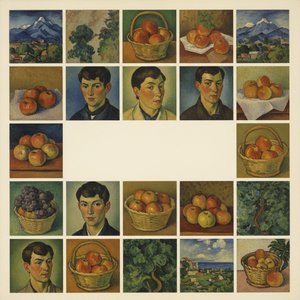
აღმოაჩინეთ პოლ სეზანის 25 გამორჩეული შედევრი! იმპრესიონიზმი, პოსტიმპრესიონიზმი და კუბიზმის წინასწარმეტყველი. ნახატების ისტორია, ტექნიკა და შთაგონება BuyPopArt.com-ზე. 🖼️ ხელოვნების ბეჭვრა მუზეუმის ხარისხით.

Explore 10 iconic gray paintings by masters like Rembrandt, Hopper & Whistler. Discover the stories behind these atmospheric artworks and find museum-quality art reproductions for your home decor at . Explore the full collection online.

აღმოაჩინეთ უინსლოუ ჰომერის 25 გამორჩეული ნახატი! ამერიკული ხელოვნების შედევრები, seascape-ები და რეალიზმის სტილი. შეიძინეთ ხარისხიანი რეკონსტრუქციები BuyPopArt.com-ზე და გააფართოეთ თქვენი სახლის დეკორი ხელოვნების ისტორიით. Explore the full collection online!


ყოველთვის პირველი იყავით უახლესი ხელოვნების სიახლეების, ექსკლუზიური შეთავაზებებისა და დეკორაციის იდეების შესახებ ინფორმირებული.
გვიამარტეთ თქვენი პროექტის შესახებ და ჩვენი ხელოვნების ექსპერტები მოგაწვდით 3 პერსონალიზებულ რეკომენდაციას.
დაგვიძlinეთ სამი ვარიანტის შერჩევა სპეციალურად თქვენთვის – უფასოდ!


 წინასწარი ნახვა
 გაგზავნა
 გაზიარება
 დეტალები

 ჩამოტვირთვა
 მსგავსები
 რენტგენოგრაფიული კვლევა
 სლაიდშოუ
 გადასართად დაწვრილებით ნახეთ







 მინის ჩარჩოს არჩევანი ხელმისაწვდომია მხოლოდ 110 სმ-ზე ნაკლები ზომისთვის


