

 Oil On CanvasWallArtPost-Impressionism
 1947
1947 81.0 x 107.0 cm
 Arts Council Collection
მუზეუმის დონის ჟიკლე ან ტილოზე ბეჭდვა სწრაფი წარმოებისა და დასრულების მოქნილი ვარიანტებით. ( შეიძინეთ ხელით შესრულებული ნახატი შეიძინეთ გამოსახულება)





























აირჩიეთ ჩვენს მიერ წინასწარ განსაზღვრული ზომებიდან, რომლებიც ნაწარმოების ორიგინალურ პროპორციებს შეესაბამება.

თქვენ შეგიძლიათ მიუთითოთ საკუთარი ზომები კონკრეტული ჩარჩოსთვის ან სივრცისთვის მოსარგებლებლად. თუ თქვენ მიერ არჩეული ზომა არ შეესაბამება ორიგინალი გამოსახულების პროპორციებს, ჩვენ ან დავჭრით ნამუშევარს, ან გავაფართოვებთ გამოსახულებას სარკული ან ერთფეროვანი კიდეებით. წარმოების დაწყებამდე თქვენს დასამტკიცებლად გამოგეგზავნებათ ციფრული მაკეტი.
გთხოვთ, გაითვალისწინოთ, რომ ეკრანზე ნაჩვენები წინასწარი ნახვა არ ასახავს რეალურ ჭრას ან გაფართოებას. მხოლოდ მაკეტზე იქნება ზუსტად წარმოდგენილი საბოლოო კომპოზიცია.
მიუხედავად იმისა, რომ ინდივიდუალური ზომები ხელმისაწვდომია, ორიგინალური პროპორციების შესანარჩუნებლად გირჩევთ, აირჩიოთ ზომა წინასწარ განსაზღვრული სიისგან.
მიწოდება მთელ მსოფლიოში () 2 კვირაში, სტანდარტული 4/5 კვირის ნაცვლად. (18 აგვისტო)


Trendrine, Cornwall
რეკლამაციის ზომა
To stand before this depiction of Trendrine, Cornwall, is to step directly into the evocative palette of early 20th-century British modernism. David Bomberg, a pivotal figure among the 'Whitechapel Boys,' captured not merely a view, but an emotional resonance of the English countryside at a specific moment in time. The canvas presents a sweeping vista dominated by fields of yellow and burnt orange grass, hues that speak eloquently of transition—perhaps the lingering warmth of autumn giving way to the muted tones of winter. This is a landscape imbued with palpable atmosphere, where the natural elements seem caught between vibrant memory and quiet decay.
Bomberg’s handling of oil on canvas here showcases his mastery in translating intense observation into structured form. While the subject matter—the rolling fields and distant trees—suggests a pastoral tranquility, Bomberg's technique lends it an underlying structural tension. Notice how the composition guides the eye: from the foreground expanse of textured grass, which anchors the piece with its rich color variation, to the depth suggested by the background foliage. The inclusion of the solitary figure near the center is crucial; this person acts as a human measure against the vastness of the land, drawing the viewer into contemplation alongside them. It is a masterful balance between the monumental scale of nature and the intimate presence of humanity.
Painted in 1947, this work exists at a fascinating crossroads for British art. Bomberg’s career was deeply intertwined with avant-garde movements like Cubism and Futurism, yet here, he grounds these modernist sensibilities within a distinctly English setting. Unlike some of his more radical urban explorations, this piece retains a deep connection to the landscape tradition, filtered through a modern lens. It speaks to an era grappling with change—the aftermath of global conflict—and finds its solace, or perhaps its contemplation, in the enduring structure of the natural world.
For the collector or designer, this painting offers more than mere decoration; it offers a mood. The interplay between the warm yellows, deep oranges, and cooler background tones creates an immediate sense of autumnal melancholy mixed with steadfast beauty. It is a piece that commands quiet contemplation in a grand hall or a sun-drenched drawing room. When considering a reproduction, one appreciates how Bomberg managed to imbue such a recognizable scene with an almost monumental emotional weight. It invites the viewer to pause, to observe the light falling across the grass, and to feel the quiet solitude of the Cornish coast.
დაიბადა პოლিশ-ებრაელი ემიგრანტების, აბრაამ და რებეკა ბომბერგის ოჯახში. თავდაპირველად სწავლობდა City and Guilds-ის ტექნიკურ სახელოვნებო სკოლაში, რის შემდეგაც ბირმინგ heaviest-ში ლითოგრაფობის ხელოვნებას ეუფლებოდა.
ვესტმინსტერის სახელოვნებო სკოლაში (1908-1910) ვოლტერ სიკერტის მეთოდოლოგიით სწავლა შეძლო, სადაც სიკერტისადმი მიდრეკილებამ ფორმისა და ურბანული ცხოვრებისადმი ყურადღებისმიერმა აქცენტებმა დიდ გავლენა მოახდინა მის შემოქმედებაზე. 1910 წლის როჯერ ფრაის გამოფენით „მანე და პოსტიმპრესიონისტები“ პაულ კლზენთან შეხება გადამწყვეტი აღმოჩნდა. შემდგომში სწავლობდა სლეიდის სახელოვნებო სკოლაში (1911), სადაც თავის თანაკლასელ ისაკ როზენბერგის ნატურისკენ მიბმულმა ნახატმა ტონკსის პრემია მოუტანა.
პირველ მსოფლიო ომში ჯარისკაცად მონაწილეობამ ღრმად შეცვალა მისი მხედველობა და აბსტრაქციული ხელოვნებისგან უფრო რეალისტური ფორმებისკენ გადასვლა გამოიწვია.
1920-იან წლებში ბომბერგმა უფრო ფიგურატულ სტილს მიჰყვებოდა, რაც ფოკუსირებული იყო პორტრეტებსა და პირდაპირ ბუნებიდან აღებულ ლანდშაფტებზე. მან განავითარა ექსპრესიონისტული ტექნიკა, რომელიც გამოირჩეოდა ტექსტურური იმპასტოთი და ემოციური ინტენსივობით.
ახლო აღმოსავლეთსა და ევროპაში განხორციელებულმა ვრცელმა მოგზაურობებმა მნიშვნელოვანი გავლენა მოახდინა მის შემდგომ ნამუშევრებზე, განსაკუთრებით კი იერუსალიმის გამოსახულებებმა დატოვდა დაუვიწყარ კვალს.

1890 - 1957 , გ यूनाइटेड কিংნეპში

აღმოფრთოვანდით რომანტიზმის ეპოქის 10 საუკეთესო ლანშაფტური შედევრით! ტერნერი, კორტო და სხვა მხატვრების ნაწარმოებები. იხილეთ მათი ისტორია და აღმოგეყვინებათ ხელოვნების márgali. შეიძინეთ მაღალი ხარისბის რესტავრაციული ასლები BuyPopArt.com-ზე!
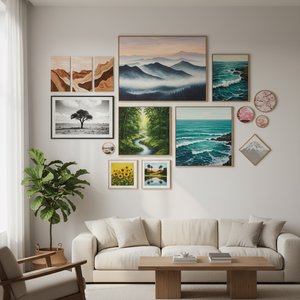
Journey through 10 breathtaking landscape paintings by Monet, Van Gogh & more! Explore iconic artworks, artistic techniques & find inspiration for your home decor. Museum-quality reproductions at BuyPopArt.com. Discover all masterpieces on BuyPopArt.com

Embark on a visual journey through the golden hues of autumn fine art. Discover how masters like Van Gogh capture seasonal magic through vibrant oil landscapes and explore expert tips for collecting timeless autumnal masterpieces.

Explore the groundbreaking work of David Bomberg, a pivotal figure in British abstraction. Discover his artistic evolution, influences, and lasting legacy through insightful analysis & expert commentary.
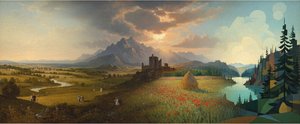
Explore the rich history of landscape art with BuyPopArt. Discover renowned artists, movements like Impressionism & Romanticism, and expert guidance for collecting timeless pieces. Find your perfect serene escape today!


ყოველთვის პირველი იყავით უახლესი ხელოვნების სიახლეების, ექსკლუზიური შეთავაზებებისა და დეკორაციის იდეების შესახებ ინფორმირებული.
გვიამარტეთ თქვენი პროექტის შესახებ და ჩვენი ხელოვნების ექსპერტები მოგაწვდით 3 პერსონალიზებულ რეკომენდაციას.
დაგვიძlinეთ სამი ვარიანტის შერჩევა სპეციალურად თქვენთვის – უფასოდ!


 წინასწარი ნახვა
 გაგზავნა
 გაზიარება
 დეტალები

 ჩამოტვირთვა
 მსგავსები
 რენტგენოგრაფიული კვლევა
 სლაიდშოუ
 გადასართად დაწვრილებით ნახეთ







 მინის ჩარჩოს არჩევანი ხელმისაწვდომია მხოლოდ 110 სმ-ზე ნაკლები ზომისთვის


