Acrylic On CanvasWallArtContemporary Realism
 1933
1933 92.0 x 127.0 cm
მუზეუმის დონის ჟიკლე ან ტილოზე ბეჭდვა სწრაფი წარმოებისა და დასრულების მოქნილი ვარიანტებით. ( შეიძინეთ ხელით შესრულებული ნახატი შეიძინეთ გამოსახულება)





























აირჩიეთ ჩვენს მიერ წინასწარ განსაზღვრული ზომებიდან, რომლებიც ნაწარმოების ორიგინალურ პროპორციებს შეესაბამება.

თქვენ შეგიძლიათ მიუთითოთ საკუთარი ზომები კონკრეტული ჩარჩოსთვის ან სივრცისთვის მოსარგებლებლად. თუ თქვენ მიერ არჩეული ზომა არ შეესაბამება ორიგინალი გამოსახულების პროპორციებს, ჩვენ ან დავჭრით ნამუშევარს, ან გავაფართოვებთ გამოსახულებას სარკული ან ერთფეროვანი კიდეებით. წარმოების დაწყებამდე თქვენს დასამტკიცებლად გამოგეგზავნებათ ციფრული მაკეტი.
გთხოვთ, გაითვალისწინოთ, რომ ეკრანზე ნაჩვენები წინასწარი ნახვა არ ასახავს რეალურ ჭრას ან გაფართოებას. მხოლოდ მაკეტზე იქნება ზუსტად წარმოდგენილი საბოლოო კომპოზიცია.
მიუხედავად იმისა, რომ ინდივიდუალური ზომები ხელმისაწვდომია, ორიგინალური პროპორციების შესანარჩუნებლად გირჩევთ, აირჩიოთ ზომა წინასწარ განსაზღვრული სიისგან.
მიწოდება მთელ მსოფლიოში () 2 კვირაში, სტანდარტული 4/5 კვირის ნაცვლად. (18 აგვისტო)


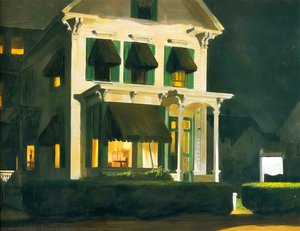
Ryder's House
რეკლამაციის ზომა
Edward Hopper’s “Ryder’s House,” completed in 1933, stands as a quintessential emblem of American Realism during the Depression era. More than just a depiction of a simple farmhouse nestled within a tranquil field, it's a masterful exploration of solitude and unspoken emotion—themes that would become hallmarks of Hopper’s oeuvre and continue to resonate with audiences today.
Painted during the Great Depression, “Ryder’s House” reflects the pervasive anxieties and uncertainties of the time. Hopper's depiction of rural life—characterized by quiet desperation and unspoken longing—captures a mood that mirrored the experiences of many Americans grappling with economic hardship and social displacement. The painting speaks to a broader cultural preoccupation with themes of alienation and detachment.
The dominant use of light in “Ryder’s House” is particularly significant. Hopper illuminates the interior space with a cool, diffused glow that casts long shadows across the walls—creating an atmosphere of profound stillness and hinting at hidden narratives. The absence of human figures contributes to the painting's sense of isolation, prompting viewers to contemplate the unspoken emotions conveyed by the scene.
"Ryder’s House" transcends mere visual representation; it invites contemplation and introspection. Hopper’s masterful composition—coupled with his subtle manipulation of light and shadow—elicits a feeling of melancholy and yearning, capturing the essence of human experience in its most vulnerable form. It remains a powerful reminder that beauty can reside in quietude and that art possesses the capacity to illuminate the complexities of the human condition.

1931 - 1967 , საქართველო

Explore the profound depth of American Realism. From the gritty Ashcan School to poignant social landscapes, discover how masters captured the raw soul of a nation through evocative oil paintings and timeless art history.


ყოველთვის პირველი იყავით უახლესი ხელოვნების სიახლეების, ექსკლუზიური შეთავაზებებისა და დეკორაციის იდეების შესახებ ინფორმირებული.
გვიამარტეთ თქვენი პროექტის შესახებ და ჩვენი ხელოვნების ექსპერტები მოგაწვდით 3 პერსონალიზებულ რეკომენდაციას.
დაგვიძlinეთ სამი ვარიანტის შერჩევა სპეციალურად თქვენთვის – უფასოდ!


 წინასწარი ნახვა
 გაგზავნა
 გაზიარება
 დეტალები

 ჩამოტვირთვა
 მსგავსები
 რენტგენოგრაფიული კვლევა
 სლაიდშოუ
 გადასართად დაწვრილებით ნახეთ







 მინის ჩარჩოს არჩევანი ხელმისაწვდომია მხოლოდ 110 სმ-ზე ნაკლები ზომისთვის