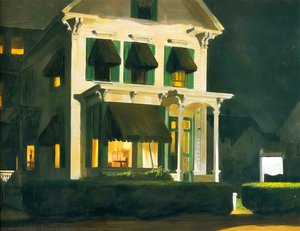
Contemporary Realism
 1922
1922 20.0 x 25.0 cm
 Смитсонианское национальное художественное музей имени Джона Кеннеди
მუზეუმის დონის ჟიკლე ან ტილოზე ბეჭდვა სწრაფი წარმოებისა და დასრულების მოქნილი ვარიანტებით. ( შეიძინეთ ხელით შესრულებული ნახატი შეიძინეთ გამოსახულება)





























აირჩიეთ ჩვენს მიერ წინასწარ განსაზღვრული ზომებიდან, რომლებიც ნაწარმოების ორიგინალურ პროპორციებს შეესაბამება.

თქვენ შეგიძლიათ მიუთითოთ საკუთარი ზომები კონკრეტული ჩარჩოსთვის ან სივრცისთვის მოსარგებლებლად. თუ თქვენ მიერ არჩეული ზომა არ შეესაბამება ორიგინალი გამოსახულების პროპორციებს, ჩვენ ან დავჭრით ნამუშევარს, ან გავაფართოვებთ გამოსახულებას სარკული ან ერთფეროვანი კიდეებით. წარმოების დაწყებამდე თქვენს დასამტკიცებლად გამოგეგზავნებათ ციფრული მაკეტი.
გთხოვთ, გაითვალისწინოთ, რომ ეკრანზე ნაჩვენები წინასწარი ნახვა არ ასახავს რეალურ ჭრას ან გაფართოებას. მხოლოდ მაკეტზე იქნება ზუსტად წარმოდგენილი საბოლოო კომპოზიცია.
მიუხედავად იმისა, რომ ინდივიდუალური ზომები ხელმისაწვდომია, ორიგინალური პროპორციების შესანარჩუნებლად გირჩევთ, აირჩიოთ ზომა წინასწარ განსაზღვრული სიისგან.
მიწოდება მთელ მსოფლიოში () 2 კვირაში, სტანდარტული 4/5 კვირის ნაცვლად. (15 აგვისტო)


The Cat Boat
რეკლამაციის ზომა
Edward Hopper's “The Cat Boat,” created in 1922, stands as a quintessential emblem of American Modernism—a deceptively simple scene imbued with profound psychological depth. More than just depicting a sailboat gliding along the New England coast, it’s a masterful distillation of Hopper’s signature style: realism tempered by an unsettling stillness that invites contemplation and subtly underscores themes of isolation and melancholy.
The artwork's composition centers around the sailboat itself—a dominant presence in the foreground—whose angled sail creates a dynamic diagonal line, pulling the viewer’s eye across the canvas. A smaller boat appears in the background to provide context and subtly heighten the sense of distance. Hopper skillfully employs etching techniques, utilizing hatching and cross-hatching extensively to render textures – from the rough surface of the water to the solidity of the boat's structure—achieving remarkable tonal variation without resorting to color.
The diffused lighting contributes significantly to the artwork’s mood. Soft shadows and highlights suggest an overcast day, avoiding harshness and emphasizing Hopper’s preference for capturing atmospheric conditions that heighten emotional resonance. Careful attention to perspective—overlapping elements and tonal gradations—creates a convincing illusion of depth, grounding the viewer in the landscape while simultaneously conveying a feeling of detachment. The figures aboard the sailboat are rendered with minimal detail, almost as if viewed from afar, furthering this sense of isolation.
Created during a period of rapid urbanization and social upheaval in America—the aftermath of World War I— “The Cat Boat” reflects Hopper's fascination with the quiet corners of modern life. He was returning from Paris after his artistic studies, where he had absorbed influences from Impressionism and Cubism, yet he steadfastly adhered to realism as a means of conveying emotion and capturing the essence of human experience. The etching medium itself—chosen by Hopper in response to challenges faced by artists during this era—underscores his commitment to meticulous observation and precise execution.
Ultimately, “The Cat Boat” transcends its visual description; it evokes a powerful emotional response. The image speaks to the human desire for connection amidst solitude, capturing a fleeting moment of leisure that simultaneously conveys a sense of melancholy and contemplative awareness. Hopper’s masterful use of light and shadow—combined with his understated compositional choices—transforms what appears as a straightforward seascape into an enduring symbol of American Modernism's preoccupation with psychological nuance.

1931 - 1967 , საქართველო

Explore the profound depth of American Realism. From the gritty Ashcan School to poignant social landscapes, discover how masters captured the raw soul of a nation through evocative oil paintings and timeless art history.


ყოველთვის პირველი იყავით უახლესი ხელოვნების სიახლეების, ექსკლუზიური შეთავაზებებისა და დეკორაციის იდეების შესახებ ინფორმირებული.
გვიამარტეთ თქვენი პროექტის შესახებ და ჩვენი ხელოვნების ექსპერტები მოგაწვდით 3 პერსონალიზებულ რეკომენდაციას.
დაგვიძlinეთ სამი ვარიანტის შერჩევა სპეციალურად თქვენთვის – უფასოდ!


 წინასწარი ნახვა
 გაგზავნა
 გაზიარება
 დეტალები

 ჩამოტვირთვა
 მსგავსები
 რენტგენოგრაფიული კვლევა
 სლაიდშოუ
 გადასართად დაწვრილებით ნახეთ







 მინის ჩარჩოს არჩევანი ხელმისაწვდომია მხოლოდ 110 სმ-ზე ნაკლები ზომისთვის