Acrylic On CanvasWallArtBaroque
 1610Renaissance
 70.0 x 62.0 cm
 Museo del Prado
მუზეუმის დონის ჟიკლე ან ტილოზე ბეჭდვა სწრაფი წარმოებისა და დასრულების მოქნილი ვარიანტებით. ( შეიძინეთ ხელით შესრულებული ნახატი შეიძინეთ გამოსახულება)





























აირჩიეთ ჩვენს მიერ წინასწარ განსაზღვრული ზომებიდან, რომლებიც ნაწარმოების ორიგინალურ პროპორციებს შეესაბამება.

თქვენ შეგიძლიათ მიუთითოთ საკუთარი ზომები კონკრეტული ჩარჩოსთვის ან სივრცისთვის მოსარგებლებლად. თუ თქვენ მიერ არჩეული ზომა არ შეესაბამება ორიგინალი გამოსახულების პროპორციებს, ჩვენ ან დავჭრით ნამუშევარს, ან გავაფართოვებთ გამოსახულებას სარკული ან ერთფეროვანი კიდეებით. წარმოების დაწყებამდე თქვენს დასამტკიცებლად გამოგეგზავნებათ ციფრული მაკეტი.
გთხოვთ, გაითვალისწინოთ, რომ ეკრანზე ნაჩვენები წინასწარი ნახვა არ ასახავს რეალურ ჭრას ან გაფართოებას. მხოლოდ მაკეტზე იქნება ზუსტად წარმოდგენილი საბოლოო კომპოზიცია.
მიუხედავად იმისა, რომ ინდივიდუალური ზომები ხელმისაწვდომია, ორიგინალური პროპორციების შესანარჩუნებლად გირჩევთ, აირჩიოთ ზომა წინასწარ განსაზღვრული სიისგან.
მიწოდება მთელ მსოფლიოში () 2 კვირაში, სტანდარტული 4/5 კვირის ნაცვლად. (15 აგვისტო)


Jerónimo de Cevallos
რეკლამაციის ზომა
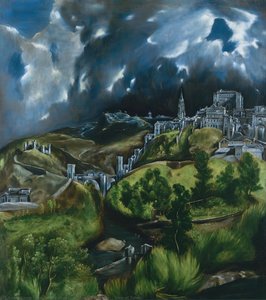
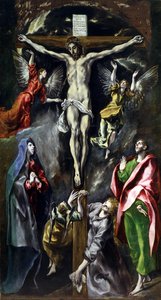
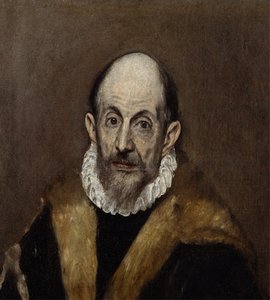
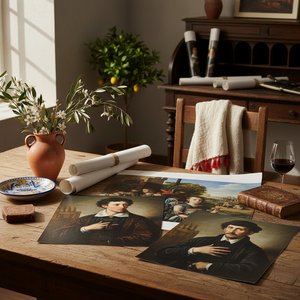
“Jerónimo de Cevallos” by El Greco is a captivating portrait executed in 1613 during his final years in Toledo, Spain. Measuring 70 x 62 cm and housed at the Museo del Prado, this oil on canvas piece exemplifies El Greco’s signature technique—tortuously elongated figures rendered with vibrant pigmentation that borders on hallucinatory intensity. The artist skillfully employs chiaroscuro, creating a dramatic contrast between light and dark to sculpt the subject's form and imbue it with palpable emotion.
Born in Crete around 1541, Doménikos Theotokópoulos embarked on a transformative artistic journey that began within the confines of Byzantine iconography. Trained rigorously in Constantinople’s monasteries, he mastered the conventions of Byzantine art—precise detail, symbolic color palettes rooted in theological significance, and an unwavering devotion to portraying spiritual ideals. However, El Greco's restless spirit propelled him eastward to Venice and Rome, where he absorbed the dynamism of Mannerism and the opulent splendor of the Venetian Renaissance.
El Greco’s stylistic choices were initially met with bewilderment by his contemporaries. Yet, his work resonated deeply with artists of subsequent generations—particularly those influenced by Romanticism—who recognized in it a profound expression of inner turmoil and spiritual yearning. The elongated figures, often depicted in poses that defy anatomical realism, serve as conduits for conveying psychological states—fear, sorrow, ecstasy—rather than merely representing physical likenesses. Furthermore, the dark background amplifies the luminosity of the subject’s flesh tones, creating an illusionistic depth that enhances the painting's dramatic impact.
The Museo del Prado, established in Madrid during the reign of Philip II, stands as one of Europe’s premier art museums—a repository of masterpieces spanning from the Gothic to the Romantic eras. El Greco’s “Jerónimo de Cevallos” occupies a prominent position within its collection, alongside other seminal works by Titian, Rubens and Velázquez. Its enduring appeal testifies to El Greco's genius as an artist who transcended stylistic boundaries and achieved a level of expressive power unmatched by his peers—a legacy that continues to inspire admiration and scholarly debate.
1541 - 1614 , საბერძნო

აღმოაჩინეთ ელ გრეკოს 25 უნიკალური შედევრი! ესპანური ხელოვნების ბაროკო სტილი, რელიგიური ხატები და მანერიზმის სიმდიდრე თქვენს სახლში. შეიძინეთ ხატის რეპროდუქცია BuyPopArt.com-ზე და შექმნით ელიტური ინტერიერი. Explore the full collection online!
გაიცანით ფრანცისკო გოიას 25 გამორჩეული შედევრი! რომანტიზმის ბრწყინვალე წარმომადგენლის ტილოები, ისტორიული სიღრმე და განსაცვიფრებელი სილამაზე. შეიძინეთ ხელოვნების რეკონსტრუქციები BuyPopArt.com-ზე და შექმენით თქვენი ოცნების ინტერიერი.

APS ofrece reproducciones de bellas artes y encargos personalizados desde 2004. Confían en nosotros corporaciones, hoteles y coleccionistas selectos para obras de arte de calidad museística, servicio discreto y soluciones artísticas completas. ¡Póngase en contacto con nosotros para obtener un presupuesto personalizado!

Explore the captivating world of El Greco! Discover his unique style, spiritual intensity, and lasting impact on art history. Learn about this Renaissance master's life, iconic paintings & legacy.
აღმოაჩინეთ პრადოს მუზეუმის 25 საუკეთესო შედევრი – ველასკესი, გოია, ელ გრეკო და სხვა. ისტორიული ნახატები, ბაროკო სტილი, ფერადი რეპროდუქციები თქვენი სახლისთვის. BuyPopArt.com - ხელოვნების კოლექცია ონლაინ.


ყოველთვის პირველი იყავით უახლესი ხელოვნების სიახლეების, ექსკლუზიური შეთავაზებებისა და დეკორაციის იდეების შესახებ ინფორმირებული.
გვიამარტეთ თქვენი პროექტის შესახებ და ჩვენი ხელოვნების ექსპერტები მოგაწვდით 3 პერსონალიზებულ რეკომენდაციას.
დაგვიძlinეთ სამი ვარიანტის შერჩევა სპეციალურად თქვენთვის – უფასოდ!


 წინასწარი ნახვა
 გაგზავნა
 გაზიარება
 დეტალები

 ჩამოტვირთვა
 მსგავსები
 რენტგენოგრაფიული კვლევა
 სლაიდშოუ
 გადასართად დაწვრილებით ნახეთ







 მინის ჩარჩოს არჩევანი ხელმისაწვდომია მხოლოდ 110 სმ-ზე ნაკლები ზომისთვის