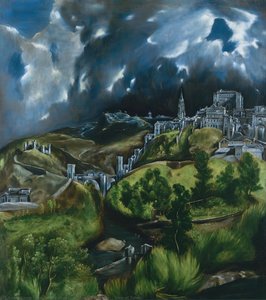
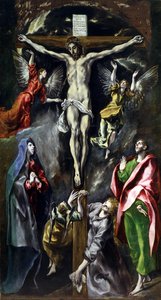
Acrylic On CanvasWallArtmannerist painting
 1614Renaissance
 174.0 x 210.0 cm
მუზეუმის დონის ჟიკლე ან ტილოზე ბეჭდვა სწრაფი წარმოებისა და დასრულების მოქნილი ვარიანტებით. ( შეიძინეთ ხელით შესრულებული ნახატი შეიძინეთ გამოსახულება)





























აირჩიეთ ჩვენს მიერ წინასწარ განსაზღვრული ზომებიდან, რომლებიც ნაწარმოების ორიგინალურ პროპორციებს შეესაბამება.

თქვენ შეგიძლიათ მიუთითოთ საკუთარი ზომები კონკრეტული ჩარჩოსთვის ან სივრცისთვის მოსარგებლებლად. თუ თქვენ მიერ არჩეული ზომა არ შეესაბამება ორიგინალი გამოსახულების პროპორციებს, ჩვენ ან დავჭრით ნამუშევარს, ან გავაფართოვებთ გამოსახულებას სარკული ან ერთფეროვანი კიდეებით. წარმოების დაწყებამდე თქვენს დასამტკიცებლად გამოგეგზავნებათ ციფრული მაკეტი.
გთხოვთ, გაითვალისწინოთ, რომ ეკრანზე ნაჩვენები წინასწარი ნახვა არ ასახავს რეალურ ჭრას ან გაფართოებას. მხოლოდ მაკეტზე იქნება ზუსტად წარმოდგენილი საბოლოო კომპოზიცია.
მიუხედავად იმისა, რომ ინდივიდუალური ზომები ხელმისაწვდომია, ორიგინალური პროპორციების შესანარჩუნებლად გირჩევთ, აირჩიოთ ზომა წინასწარ განსაზღვრული სიისგან.
მიწოდება მთელ მსოფლიოში () 2 კვირაში, სტანდარტული 4/5 კვირის ნაცვლად. (15 აგვისტო)


Laocoön
რეკლამაციის ზომა
El Greco’s *Laocoön* transcends mere depiction; it embodies the very essence of Mannerist art—a deliberate rejection of Renaissance ideals in favor of heightened emotion, distorted perspective, and unsettling dynamism. Unearthed in Rome in 1506, this monumental sculpture commemorates the myth of Laocoön, a Trojan priest who dared to challenge Poseidon’s decree forbidding the Greeks from bringing the Trojan Horse into their city.
The sculpture's arrangement is deliberately unsettling, prioritizing expressive gesture over anatomical accuracy. The central figure, Laocoön himself, dominates the composition, wrestling desperately with a serpent while his sons assist him in vain. Their bodies twist and contort in poses that defy gravity—a visual manifestation of their struggle against overwhelming force. The sculptor skillfully employs chiaroscuro – dramatic contrasts between light and shadow – to heighten the emotional impact, emphasizing the musculature of the figures and conveying a sense of impending doom.
*Laocoön* is laden with symbolic significance. The serpents represent divine retribution and Poseidon’s wrath, embodying forces beyond human control. Simultaneously, the sculpture serves as a commentary on human hubris—the folly of challenging divine authority. El Greco's innovative approach to sculptural representation profoundly influenced subsequent artists, establishing Mannerism as a distinct artistic idiom.
Ultimately, *Laocoön* remains a haunting reminder of humanity’s confrontation with mortality and divine judgment. Its dramatic composition, masterful technique, and profound symbolism solidify its place as one of the most iconic sculptures of the Renaissance—a testament to El Greco's artistic genius and his unwavering commitment to capturing the complexities of human experience.
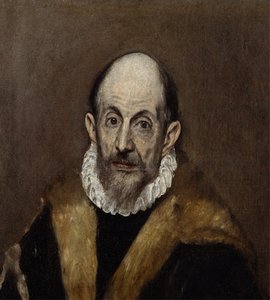
1541 - 1614 , საბერძნო

აღმოაჩინეთ ელ გრეკოს 25 უნიკალური შედევრი! ესპანური ხელოვნების ბაროკო სტილი, რელიგიური ხატები და მანერიზმის სიმდიდრე თქვენს სახლში. შეიძინეთ ხატის რეპროდუქცია BuyPopArt.com-ზე და შექმნით ელიტური ინტერიერი. Explore the full collection online!

Explore the captivating world of El Greco! Discover his unique style, spiritual intensity, and lasting impact on art history. Learn about this Renaissance master's life, iconic paintings & legacy.
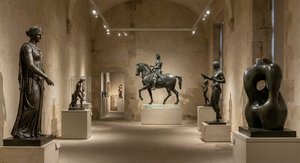
Journey through art history with our Top 10 bronze sculptures! Explore masterpieces by Rodin, Michelangelo & more. Discover stories behind iconic statues and find museum-quality reproductions for your home decor at BuyPopArt.com.

Explore the rich history of sculpture from ancient masterpieces to contemporary innovations. Discover key techniques, influential artists & investment potential for discerning art collectors.
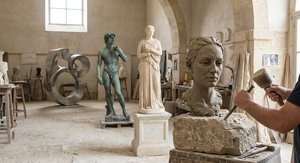
Explore the rich history of sculpture with BuyPopArt. Discover key techniques, influential artists & investment potential for discerning collectors. Expert insights into valuing and collecting timeless masterpieces.


ყოველთვის პირველი იყავით უახლესი ხელოვნების სიახლეების, ექსკლუზიური შეთავაზებებისა და დეკორაციის იდეების შესახებ ინფორმირებული.
გვიამარტეთ თქვენი პროექტის შესახებ და ჩვენი ხელოვნების ექსპერტები მოგაწვდით 3 პერსონალიზებულ რეკომენდაციას.
დაგვიძlinეთ სამი ვარიანტის შერჩევა სპეციალურად თქვენთვის – უფასოდ!


 წინასწარი ნახვა
 გაგზავნა
 გაზიარება
 დეტალები

 ჩამოტვირთვა
 მსგავსები
 რენტგენოგრაფიული კვლევა
 სლაიდშოუ
 გადასართად დაწვრილებით ნახეთ







 მინის ჩარჩოს არჩევანი ხელმისაწვდომია მხოლოდ 110 სმ-ზე ნაკლები ზომისთვის