Oil On CanvasWallArtBaroque Revival
 1600Early Modern
 110.0 x 95.0 cm
 The Frick Collection
ტილოზე შესრულებული ფერწერიანი ზეთប្រდათი, თქვენთვის სასურველი ზომისა და ჩარჩოსთვის, ჩვენი ხელოვანების მიერ შეკვეთის საფუძველზე დამზადებული. ( შეიძინეთ პრინტი შეიძინეთ გამოსახულება)





























აირჩიეთ ჩვენს მიერ წინასწარ განსაზღვრული ზომებიდან, რომლებიც ნაწარმოების ორიგინალურ პროპორციებს შეესაბამება.

თქვენ შეგიძლიათ მიუთითოთ თქვენთვის სასურველი ზომები კონკრეტული ჩარჩოს ან სივრცის შესაბამისად. თუ თქვენ მიერ არჩეული ზომა არ შეესაბამება ორიგინალი გამოსახულების პროპორციებს, ჩვენ ან შევაჭრებთ ნაწარმოებს, ან ტილოზე დავამატებთ ხელით მოხატულ ელემენტებს. წარმოების დაწყებამდე, დამტკიცებისთვის გამოგეგზავნებათ ციფრული მაკეტი.
გთხოვთ, გაითვალისწინოთ, რომ ეკრანზე ნაჩვენები წინასწარი შეხედულება არ ასახავს რეალურ შეჭრას ან გაფართოებას. საბოლოო კომპოზიციას ზუსტად მხოლოდ მაკეტი წარმოაჩენს.
მიუხედავად იმისა, რომ შესაძლებელია ინდივიდუალური ზომების შერჩევა, ორიგინალური პროპორციების შენარჩუნებისათვის გირჩევთ, გამოიყენოთ წინასწარ განსაზღვრული სიის ზომები.
მიწოდება მსოფლიო მასშტაბით -ში 3/4 კვირაში, სტანდარტული 5 კვირის ნაცვლად. (14 აგვისტო). ხარისხზე კომპრომისის გაკეთება არ მოხდება.


St. Jerome
რეკლამაციის ზომა
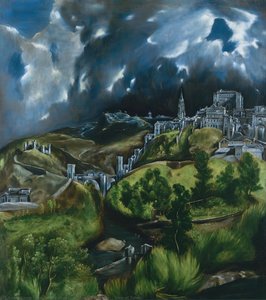
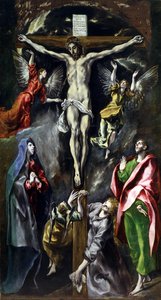
In the quiet, shadowed corners of art history, few figures command the room with as much profound gravity as El Greco’s St. Jerome. Created around 1600 in the fervent atmosphere of Toledo, this masterpiece is far more than a mere portrait of a saint; it is a window into the very soul of Mannerism. The painting captures the venerable Doctor of the Church, St. Jerome, not as a distant icon, but as a man deeply immersed in the weight of his own devotion. As he sits amidst an austere setting, his weathered face and long, flowing white beard serve as a testament to a lifetime of intellectual rigor and spiritual searching. The artist masterfully uses a palette of deep reds and soft pinks against a somber, dark background, ensuring that every wrinkle of wisdom and every fold of his scholarly robes pulls the viewer into his private moment of contemplation.
The technique employed by Domenikos Theotokópoulos—the Greek master known as El Greco—is nothing short of transformative. Moving away from the balanced, harmonious ideals of the High Renaissance, El Greco embraces the expressive distortions of Mannerism to evoke a sense of divine unrest. Through the brilliant use of chiaroscuro, he sculpts Jerome’s form with dramatic light and shadow, creating a three-dimensional presence that feels almost tactile. The elongated proportions and flickering, ethereal light characteristic of his style do not merely represent physical reality; they suggest a spiritual reality that transcends the material world. For the discerning collector or interior designer, this painting offers a commanding focal point, bringing a sense of historical depth and dramatic elegance to any sophisticated space.
To understand the emotional resonance of this work, one must look to the streets of Toledo during the turn of the 17th century. This was a city pulsating with Catholic piety, a place where the boundaries between the earthly and the divine felt thin. El Greco, having traveled from the Byzantine traditions of Crete through the vibrant studios of Venice and Rome, arrived in Spain with a unique visual language capable of expressing this intense religious fervor. In St. Jerome, we see the culmination of this journey. The saint, famed for translating the Bible into Latin, is depicted with his book—the very vessel of his life's work—symbolizing the bridge between human intellect and divine revelation.
The symbolism within the composition invites a lingering gaze. The stark contrast between the vibrant red of his cape and the murky depths of the background serves to isolate the subject, mirroring the solitary nature of ascetic life. There is a palpable sense of solitude and intellectual hunger that radiates from the canvas. For those looking to adorn a study, library, or a formal gallery, a high-quality reproduction of this piece provides more than just decoration; it offers an invitation to pause, to reflect, and to engage with one of the most emotionally charged periods in Western art history. It is a piece that does not merely hang on a wall—it breathes life into the architecture surrounding it.
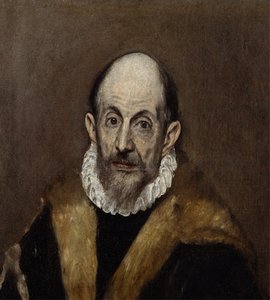
1541 - 1614 , საბერძნო

აღმოაჩინეთ ელ გრეკოს 25 უნიკალური შედევრი! ესპანური ხელოვნების ბაროკო სტილი, რელიგიური ხატები და მანერიზმის სიმდიდრე თქვენს სახლში. შეიძინეთ ხატის რეპროდუქცია BuyPopArt.com-ზე და შექმნით ელიტური ინტერიერი. Explore the full collection online!
გამოიკვლიეთ ჰიერონიმუს ბოში 25 უნიკალური შედევრით! გაიცანით მისი ფანტასტიკური სამყარო, სიმბოლიზმი და რენესანსული ხელოვნების სიღრმე. შეიძინეთ ხარისხიანი რეპროდუქციები BuyPopArt.com-ზე და შექმნით თქვენი სახლისთვის განსაკუთრებული ინტერიერი. აღმოაჩინეთ მთელი კოლექცია ონლაინ!

გაიცანით ერმიტაჟის 25 გამორჩეული შედევრი! რემბრანდტი, ლეონარდო და ვინჩი და სხვა ცნობილი მხატვრების ტილოები. ხელოვნების ისტორია BuyPopArt-ზე - რეპროდუქციები თქვენი სახლისთვის. აღმოაჩინეთ სრულყოფილი კოლექცია BuyPopArt.com-ზე!
აღმოაჩინეთ პრადოს მუზეუმის 25 საუკეთესო შედევრი – ველასკესი, გოია, ელ გრეკო და სხვა. ისტორიული ნახატები, ბაროკო სტილი, ფერადი რეპროდუქციები თქვენი სახლისთვის. BuyPopArt.com - ხელოვნების კოლექცია ონლაინ.

გაიცანით სანდრო ბოტეჩელის 25 შედევრი! რენესანსის ხელოვნების ისტორია, ფერები და მითოლოგიური სიუჟეტები. შეიძინეთ უმაღლესი ხარისხის რეპროდუქციები BuyPopArt-ზე და შექმნით თქვენი ოცნების სახლი. აღმოაჩინეთ სრულყოფილი კოლექცია ონლაინ!


ყოველთვის პირველი იყავით უახლესი ხელოვნების სიახლეების, ექსკლუზიური შეთავაზებებისა და დეკორაციის იდეების შესახებ ინფორმირებული.
გვიამარტეთ თქვენი პროექტის შესახებ და ჩვენი ხელოვნების ექსპერტები მოგაწვდით 3 პერსონალიზებულ რეკომენდაციას.
დაგვიძlinეთ სამი ვარიანტის შერჩევა სპეციალურად თქვენთვის – უფასოდ!


 წინასწარი ნახვა
 გაგზავნა
 გაზიარება
 დეტალები

 ჩამოტვირთვა
 მსგავსები
 რენტგენოგრაფიული კვლევა
 სლაიდშოუ
 გადასართად დაწვრილებით ნახეთ







 მინის ჩარჩოს არჩევანი ხელმისაწვდომია მხოლოდ 110 სმ-ზე ნაკლები ზომისთვის