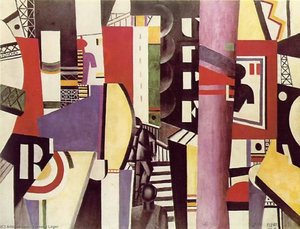
მუზეუმის დონის ჟიკლე ან ტილოზე ბეჭდვა სწრაფი წარმოებისა და დასრულების მოქნილი ვარიანტებით. ( შეიძინეთ ხელით შესრულებული ნახატი შეიძინეთ გამოსახულება)





























აირჩიეთ ჩვენს მიერ წინასწარ განსაზღვრული ზომებიდან, რომლებიც ნაწარმოების ორიგინალურ პროპორციებს შეესაბამება.

თქვენ შეგიძლიათ მიუთითოთ საკუთარი ზომები კონკრეტული ჩარჩოსთვის ან სივრცისთვის მოსარგებლებლად. თუ თქვენ მიერ არჩეული ზომა არ შეესაბამება ორიგინალი გამოსახულების პროპორციებს, ჩვენ ან დავჭრით ნამუშევარს, ან გავაფართოვებთ გამოსახულებას სარკული ან ერთფეროვანი კიდეებით. წარმოების დაწყებამდე თქვენს დასამტკიცებლად გამოგეგზავნებათ ციფრული მაკეტი.
გთხოვთ, გაითვალისწინოთ, რომ ეკრანზე ნაჩვენები წინასწარი ნახვა არ ასახავს რეალურ ჭრას ან გაფართოებას. მხოლოდ მაკეტზე იქნება ზუსტად წარმოდგენილი საბოლოო კომპოზიცია.
მიუხედავად იმისა, რომ ინდივიდუალური ზომები ხელმისაწვდომია, ორიგინალური პროპორციების შესანარჩუნებლად გირჩევთ, აირჩიოთ ზომა წინასწარ განსაზღვრული სიისგან.
მიწოდება მთელ მსოფლიოში () 2 კვირაში, სტანდარტული 4/5 კვირის ნაცვლად. (12 აგვისტო)


Composition with compass1
რეკლამაციის ზომა
Fernand Léger’s “Composition with Compass,” painted in 1923, isn't merely a depiction of industrial objects; it’s an ambitious manifesto for the visual language of modernity. Created during the height of Surrealism’s influence but firmly rooted in Léger’s own distinctive aesthetic, this artwork transcends simple representation to convey a profound sense of dynamism and geometric precision.
Léger rejected the prevailing trend toward pure abstraction championed by artists like Picasso and Mondrian. Instead, he meticulously observed the forms of machines – scissors, pliers, wrenches – transforming them into stylized geometric shapes. The painting utilizes a bold palette dominated by blues and reds, colors traditionally associated with industrial environments. Léger’s technique involved applying thick impasto—heavy layers of paint—creating palpable texture that emphasizes the materiality of his subjects.
Painted in 1923, “Composition with Compass” emerged from a period marked by rapid industrial expansion and growing anxieties about societal transformation. While Léger distanced himself from Surrealist dogma, the movement’s fascination with subconscious imagery undoubtedly informed his approach to visual language. The artwork reflects the broader cultural preoccupation with capturing the essence of the machine age—a quest for new forms of expression that could communicate the speed and complexity of the burgeoning industrial landscape.
Beyond its literal depiction of mechanical tools, “Composition with Compass” carries symbolic weight. The compass itself represents orientation and direction – mirroring Léger’s desire to chart a new course for art. The scattered geometric shapes convey movement and energy, symbolizing the relentless pace of industrial progress. Even the color choices—blue representing stability amidst chaos—suggest a carefully considered visual narrative.
"Composition with Compass" isn't intended to evoke sentimental contemplation; rather, it aims to instill a feeling of exhilaration and conviction. Léger’s masterful manipulation of form and color succeeds in conveying the spirit of an era—a time of unprecedented technological innovation and cultural upheaval. The artwork remains powerfully relevant today as a testament to the enduring capacity of art to capture both the observable world and its underlying emotional currents.
A reproduction of “Composition with Compass” offers an exceptional opportunity to experience Léger’s groundbreaking vision firsthand. Its striking geometric abstraction and vibrant color palette continue to inspire artists and collectors alike.

1881 - 1955 , საფრანგეთი
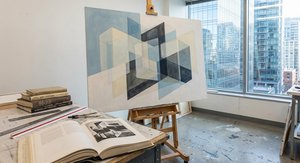
Explore the captivating world of geometric abstraction! Discover its origins, key artists like Malevich & Mondrian, and why this movement remains highly valued by art collectors today. Expert insights at BuyPopArt.
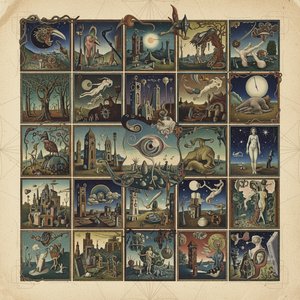
გამოიკვლიეთ მაქს ერნსტის 25 საუკეთესო შედევრი – სიურრეალიზმის გენიალური სამყარო. ნახატების ისტორია, ტექნიკა და შთაგონება BuyPopArt-ზე. შეიძინეთ ხარისხიანი რეკონსტრუქციები და შექმნით თქვენი სახლისთვის ხელოვნების უნიკალური ინტერიერი! აღმოაჩინეთ სრული კოლექცია ონლაინ.

Explore the revolutionary world of Early Modernism! Discover key artists like Picasso & Léger, pivotal movements, and lasting philosophical influences. Uncover the seeds of change that shaped 20th-century art.

Explore the evolution of compositional strategies in Western art! Discover how masters like Raphael & Zurbaran used perspective, proportion, and dynamic arrangement to create timeless masterpieces. Enhance your art appreciation today!

აღმოფხვარე კუბიზმის 10 გამორჩეული შედევრი! პიკასო, ბრაკი და სხვა მოწინავე ხელოვანების ნამუშევრები. შეიგრძნობით რევოლუცია ხელოვნებაში. შეიძინეთ მაღალი ხარისბის რეპროდუქციები BuyPopArt.com-ზე!


ყოველთვის პირველი იყავით უახლესი ხელოვნების სიახლეების, ექსკლუზიური შეთავაზებებისა და დეკორაციის იდეების შესახებ ინფორმირებული.
გვიამარტეთ თქვენი პროექტის შესახებ და ჩვენი ხელოვნების ექსპერტები მოგაწვდით 3 პერსონალიზებულ რეკომენდაციას.
დაგვიძlinეთ სამი ვარიანტის შერჩევა სპეციალურად თქვენთვის – უფასოდ!


 წინასწარი ნახვა
 გაგზავნა
 გაზიარება
 დეტალები

 ჩამოტვირთვა
 მსგავსები
 რენტგენოგრაფიული კვლევა
 სლაიდშოუ
 გადასართად დაწვრილებით ნახეთ







 მინის ჩარჩოს არჩევანი ხელმისაწვდომია მხოლოდ 110 სმ-ზე ნაკლები ზომისთვის