

შეიძინეთ მაღალი რეზოლუციის, გაუმჯობესებული ციფრული გამოსახულება, რომელიც ხარისხით ბევრად აღემატება ონლაინ წინასწარ ნახვას.
თითოეულ ფაილს ჩვენი შიდა სპეციალისტები საგულდაგულოდ ამზადებენ თანამედროვე ინსტრუმენტებისა და პროფესიონალური რეტუშირების გამოყენებით. ჩვენ უზრუნველყოფთ, რომ თითოეულ გამოსახულებას ჰქონდეს გამორჩეული სიცხადე, ფერების ზუსტი გადაცემა და დეტალიზაცია.
დასრულებული ფაილი ელექტრონული ფოსტით 72 საათში გიგზავნით; იგი ოპტიმიზებულია პროფესიონალური, რედაქციული და პოლიგრაფიული გამოყენებისთვის. ეს არის ისეთივე ხარისხი, რომელსაც წამყვანი დიზაინ-სტუდიები, გამომცემლობები და გალერეები ენდობიან.
ჩამოტვირთეთ მაღალი გარჩევადობის ფაილი პირადი გამოყენებისთვის, დასაბეჭდად და შემოქმედებითი პროექტებისთვის. ( გადართვა ბეჭდვაზე გადართვა ხელით შესრულებულ ნახატზე)
როდესაც ირჩევთ BuyPopArt.com-ს, თქვენ მხოლოდ სურათს კი არ იღებთ, არამედ იღებთ პროფესიონალურად დამუშავებულ ციფრულ ნამუშევარს, რომელიც შექმნილია უზადო სიზუსტით და დაცულია კმაყოფილების გარანტიით. თქვენს შეკვეთას ავტომატურად მოჰყვება შემდეგი:

თქვენს მაღალი რეზოლუციის ციფრულ გამოსახულებას ელექტრონული ფოსტით შეკვეთის დაწყებიდან 72 საათში მიიღებთ — ის მზად იქნება დაუყოვნებლივი გამოყენებისთვის.

თქვენი ხელოვნების ნიმუშები პროფესიონალურად არის ოპტიმიზებული მოწინავე AI ინსტრუმენტებისა და მექანიკური რედაქტირების მეშვეობით, რაც უზრუნველყოფს მაქსიმალურ დეტალიზაციას, სიცხადესა და ფერების სიზუსტეს.

ფაილი შემთხვევით წაიშალა ან დაკარგეთ? ნუបედავთ — ჩვენ მას ნებისმიერ დროს, უფასოდ ხელახლა გამოგეგზავნით.

ჭიდად ისიამოვნეთ თქვენი ნამუშევრით მყისიერად, საბაჟო გადასახადის, მოსაკრებლის ან მიწოდების ხარჯის გარეშე - ციფრული ჩამტვირთვისას ყოველთვის საგადასახადო თავისუფლებაა.

პროფესიონალური ინსტრუმენტებისა და ფერების მართვის სისტემის გამოყენებით, ჩვენ უზრუნველყოფთ, რომ თქვენი ციფრული გამოსახულება მაქსიმალურად ზუსტად ასახავდეს ორიგინალურ ფერებს.

თუ თქვენს ციფრულ გამოსახულებას ვერ დაკმაყოფილებთ, ჩვენ შევირჩევთ მას ან დავაბრუნებთ 100% თანხას 60 დღის განმავლობაში — ყოველგვარი დამატებითი კითხვის გარეშე.

არ არის თქვენი კმაყოფილების საფუძველი? მიიღეთ თანხის სრული დაბრუნება ციფრული ფაილის მიღებიდან 60 დღის განმავლობაში — ყოველგვარი დამატებითი კითხვის გარეშე.

შეიძინეთ 3 გამოსახულება და მიიღეთ 10% ფასდაკლება - შეიძინეთ 5 და მიიღეთ 15% ფასდაკლება - შეიძინეთ 10+-ზე და მიიღეთ 20% ფასდაკლება. იდეალურია კრეატიული პროექტებისთვის, გალერეებისა და სააგენტოებისთვის.
Fernand Léger’s “Self,” painted in 1930, isn't merely a portrait; it’s a distilled essence of the early 20th century – a visual embodiment of the machine age grappling with human identity. This striking pencil drawing, now housed within the Fernand Léger National Museum in Biot, France, offers a profound glimpse into the artist’s evolving style and his fascination with the intersection of form, technology, and the individual. Léger, born Joseph Fernand Henri Léger in 1881 in Argentan, Normandy, began his artistic journey as an architect before embracing painting, profoundly influenced by the radical innovations of Cézanne and the burgeoning currents of Cubism.
The composition immediately commands attention. The subject, a self-portrait, is rendered with a deliberate austerity – a simplification of features that borders on abstraction. Léger strips away extraneous detail, reducing the face to its fundamental geometric components: sharp triangles for the nose and eyes, rectangular planes for the mouth and chin, and a simplified outline of the head itself. This fragmentation isn’t chaotic; rather, it creates a sense of dynamic energy, as if the subject is simultaneously present and dissolving into pure form. The cropped composition, focusing tightly on the upper torso, intensifies this effect, drawing the viewer directly into the artist's gaze – an intense, direct stare that speaks to both confidence and introspection.
“Self” is a quintessential example of Léger’s “Tubism,” a style he developed in the early 1910s. Inspired by the cylindrical forms of industrial machinery, Tubism sought to represent objects – and indeed, human figures – as composed of interlocking cylinders, cones, and cubes. This approach wasn't simply an aesthetic choice; Léger saw it as a way to capture the essence of modern life, dominated by factories, trains, and the relentless march of technology. The angular lines and stark contrasts in tone reflect this mechanical sensibility, creating a visual rhythm that echoes the precision and efficiency of machines.
The use of pencil is crucial here. Léger’s meticulous application of line – often with varying pressure and thickness – imbues the drawing with a remarkable sense of texture and depth. The grainy quality of the graphite suggests a hand-drawn immediacy, contrasting sharply with the stylized forms. This combination of raw material and deliberate construction speaks to Léger's desire to bridge the gap between traditional artistic techniques and the new visual language of modernity.
Beyond its formal qualities, “Self” carries a potent symbolic weight. The direct gaze of the subject is particularly arresting – it’s not a passive portrait but an active engagement with the viewer. This confrontational quality suggests a questioning of identity in a rapidly changing world. Léger himself described his work as reflecting "the crude beauty" of everyday life, and “Self” embodies this sentiment perfectly. The simplification of features can be interpreted as a rejection of idealized representations, suggesting instead a focus on the essential, stripped-down reality of human existence.
Furthermore, the drawing’s monochromatic palette – primarily shades of gray – reinforces its sense of austerity and detachment. It evokes the starkness of industrial landscapes and the impersonal nature of modern life. The lack of color directs attention to the formal elements of the composition, highlighting Léger's mastery of line and form.
Fernand Léger’s “Self” stands as a pivotal work in his oeuvre and a significant contribution to the development of modern art. His exploration of Cubism, combined with his fascination with technology and his unique approach to portraiture, paved the way for subsequent generations of artists – including Pop Art pioneers like Andy Warhol – who sought to integrate the visual language of mass culture into their work. “Self” remains a powerful testament to Léger’s artistic vision and his enduring legacy as one of the most influential figures of the 20th century.
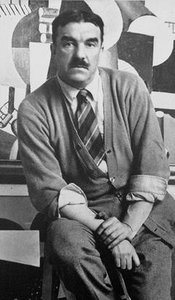
1881 - 1955 , საფრანგეთი


ყოველთვის პირველი იყავით უახლესი ხელოვნების სიახლეების, ექსკლუზიური შეთავაზებებისა და დეკორაციის იდეების შესახებ ინფორმირებული.
გვიამარტეთ თქვენი პროექტის შესახებ და ჩვენი ხელოვნების ექსპერტები მოგაწვდით 3 პერსონალიზებულ რეკომენდაციას.
დაგვიძlinეთ სამი ვარიანტის შერჩევა სპეციალურად თქვენთვის – უფასოდ!


 წინასწარი ნახვა
 გაგზავნა
 გაზიარება
 დეტალები

 ჩამოტვირთვა
 მსგავსები
 რენტგენოგრაფიული კვლევა
 სლაიდშოუ

 გადასართად დაწვრილებით ნახეთ