Acrylic On CanvasWallArtCubist Style
 78.0 x 58.0 cm
მუზეუმის დონის ჟიკლე ან ტილოზე ბეჭდვა სწრაფი წარმოებისა და დასრულების მოქნილი ვარიანტებით. ( შეიძინეთ ხელით შესრულებული ნახატი შეიძინეთ გამოსახულება)
აირჩიეთ ჩვენს მიერ წინასწარ განსაზღვრული ზომებიდან, რომლებიც ნაწარმოების ორიგინალურ პროპორციებს შეესაბამება.

თქვენ შეგიძლიათ მიუთითოთ საკუთარი ზომები კონკრეტული ჩარჩოსთვის ან სივრცისთვის მოსარგებლებლად. თუ თქვენ მიერ არჩეული ზომა არ შეესაბამება ორიგინალი გამოსახულების პროპორციებს, ჩვენ ან დავჭრით ნამუშევარს, ან გავაფართოვებთ გამოსახულებას სარკული ან ერთფეროვანი კიდეებით. წარმოების დაწყებამდე თქვენს დასამტკიცებლად გამოგეგზავნებათ ციფრული მაკეტი.
გთხოვთ, გაითვალისწინოთ, რომ ეკრანზე ნაჩვენები წინასწარი ნახვა არ ასახავს რეალურ ჭრას ან გაფართოებას. მხოლოდ მაკეტზე იქნება ზუსტად წარმოდგენილი საბოლოო კომპოზიცია.
მიუხედავად იმისა, რომ ინდივიდუალური ზომები ხელმისაწვდომია, ორიგინალური პროპორციების შესანარჩუნებლად გირჩევთ, აირჩიოთ ზომა წინასწარ განსაზღვრული სიისგან.
მიწოდება მთელ მსოფლიოში () 2 კვირაში, სტანდარტული 4/5 კვირის ნაცვლად. (13 აგვისტო)


The workman sitting
რეკლამაციის ზომა
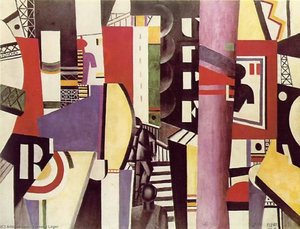
Fernand Léger’s “The Worker Sitting,” executed in 1926, stands as a cornerstone of Primitivism—a movement that sought to recapture the essence of raw emotion and instinct through simplified forms and bold colors. More than just a portrait, it's an emblem of Léger’s profound engagement with the burgeoning industrial landscape of his time, filtered through the lens of Cubist principles.
The artwork depicts a solitary workman seated on a chair, bathed in diffused light that emphasizes the flatness of the composition. Léger eschews traditional perspective, opting instead for overlapping geometric shapes—primarily squares and rectangles—to convey spatial relationships. These forms dominate both the chair itself and the backdrop, which features a prominent window framing an expanse of greenery. The deliberate asymmetry contributes to a dynamic visual rhythm, inviting contemplation rather than passive viewing.
Executed in ink on paper, Léger’s technique is characterized by thick, assertive outlines—the defining feature of Primitivism—that sculpt the figure and background with uncompromising precision. These lines aren't intended to mimic realistic contours; they serve as structural elements, constructing simplified forms that prioritize clarity and impact. The monochrome palette—a stark contrast between black and white—amplifies this effect, stripping away any illusion of depth or texture.
Beyond its formal qualities, “The Worker Sitting” resonates with a quiet dignity. Léger’s portrayal captures a moment of stillness amidst the bustle of industrial life – a posture suggesting reflection and observation. The workman's gaze directs towards the window, symbolizing perhaps an aspiration for connection with nature and a yearning for respite from the pressures of labor. Léger’s intention wasn’t to depict a specific individual but rather to embody the spirit of the working class—a subject he revisited repeatedly throughout his career.
As a precursor to Pop Art, Léger's work exemplifies a radical departure from academic conventions. He prioritized expressive simplification over meticulous detail, aligning with the broader artistic impulse to confront modernity head-on. “The Worker Sitting” remains an enduring testament to Léger’s ability to distill complex ideas into powerfully evocative visual language—a timeless image of human presence within the transformative forces shaping the twentieth century.
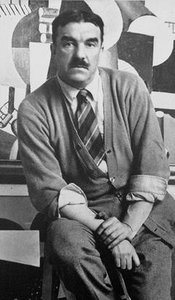
1881 - 1955 , საფრანგეთი

გეომეტრიული აბსტრაქციის 10 შედევრი მონდრიანის, მალევიჩისა და კანდინსკის ჩართულობით. გაიგეთ მათი ისტორია, ტექნიკა და გავლენა ხელოვნებაზე. შეიძინეთ უმაღლესი ხარისხის რეკონსტრუქციები BuyPopArt.com-ზე!

Explore 10 iconic artworks capturing the Industrial Revolution’s grit & beauty. From Monet to Manet, discover realism, impressionism & powerful scenes of urban life. Find museum-quality reproductions for your home at BuyPopArt.com.
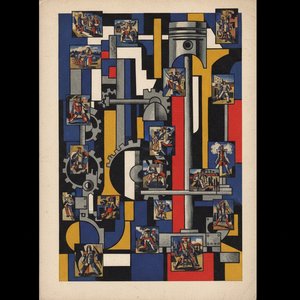
გაიცანით ფერნანდ λεჟეს 25 საუკეთესო შედევრი! კუბიზმის, ტუბიზმის და თანამედროვე ხელოვნების ისტორია. ნახატების რესპროდუქციები თქვენი სახლისთვის BuyPopArt-ზე. აღმოაჩინეთ ლეგერის გამოსახულებები ონლაინ!

Explore Precisionism, a pivotal American art movement celebrating the Machine Age. Discover key artists like Sheeler & O'Keeffe, its European roots, and lasting influence on modern aesthetics. Expert analysis for collectors.

Explore the evolution of cityscape painting from Realism to contemporary art with BuyPopArt. Discover key artists & invest in timeless urban visions. Expert guidance, museum-quality reproductions.


ყოველთვის პირველი იყავით უახლესი ხელოვნების სიახლეების, ექსკლუზიური შეთავაზებებისა და დეკორაციის იდეების შესახებ ინფორმირებული.
გვიამარტეთ თქვენი პროექტის შესახებ და ჩვენი ხელოვნების ექსპერტები მოგაწვდით 3 პერსონალიზებულ რეკომენდაციას.
დაგვიძlinეთ სამი ვარიანტის შერჩევა სპეციალურად თქვენთვის – უფასოდ!


 წინასწარი ნახვა
 გაგზავნა
 გაზიარება
 დეტალები

 ჩამოტვირთვა
 მსგავსები
 რენტგენოგრაფიული კვლევა
 სლაიდშოუ
 გადასართად დაწვრილებით ნახეთ




































 მინის ჩარჩოს არჩევანი ხელმისაწვდომია მხოლოდ 110 სმ-ზე ნაკლები ზომისთვის