

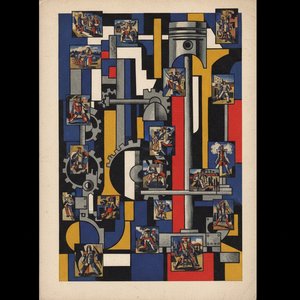
 ზეთი ტილოზეკედლის დეკორიCubist Modernism
 1921თანამედროვე ეპოქა
 184.0 x 252.0 cm
 MoMA - Moderni Kaloi Muzeumi
ტილოზე შესრულებული ფერწერიანი ზეთប្រდათი, თქვენთვის სასურველი ზომისა და ჩარჩოსთვის, ჩვენი ხელოვანების მიერ შეკვეთის საფუძველზე დამზადებული. ( შეიძინეთ პრინტი შეიძინეთ გამოსახულება)





























აირჩიეთ ჩვენს მიერ წინასწარ განსაზღვრული ზომებიდან, რომლებიც ნაწარმოების ორიგინალურ პროპორციებს შეესაბამება.

თქვენ შეგიძლიათ მიუთითოთ თქვენთვის სასურველი ზომები კონკრეტული ჩარჩოს ან სივრცის შესაბამისად. თუ თქვენ მიერ არჩეული ზომა არ შეესაბამება ორიგინალი გამოსახულების პროპორციებს, ჩვენ ან შევაჭრებთ ნაწარმოებს, ან ტილოზე დავამატებთ ხელით მოხატულ ელემენტებს. წარმოების დაწყებამდე, დამტკიცებისთვის გამოგეგზავნებათ ციფრული მაკეტი.
გთხოვთ, გაითვალისწინოთ, რომ ეკრანზე ნაჩვენები წინასწარი შეხედულება არ ასახავს რეალურ შეჭრას ან გაფართოებას. საბოლოო კომპოზიციას ზუსტად მხოლოდ მაკეტი წარმოაჩენს.
მიუხედავად იმისა, რომ შესაძლებელია ინდივიდუალური ზომების შერჩევა, ორიგინალური პროპორციების შენარჩუნებისათვის გირჩევთ, გამოიყენოთ წინასწარ განსაზღვრული სიის ზომები.
მიწოდება მსოფლიო მასშტაბით -ში 3/4 კვირაში, სტანდარტული 5 კვირის ნაცვლად. (23 აგვისტო). ხარისხზე კომპრომისის გაკეთება არ მოხდება.


మూడు സ്ത്രീകള്
რეკლამაციის ზომა

1881 - 1955 , საფრანგეთი
გაიცანით ფერნანდ λεჟეს 25 საუკეთესო შედევრი! კუბიზმის, ტუბიზმის და თანამედროვე ხელოვნების ისტორია. ნახატების რესპროდუქციები თქვენი სახლისთვის BuyPopArt-ზე. აღმოაჩინეთ ლეგერის გამოსახულებები ონლაინ!

გეომეტრიული აბსტრაქციის 10 შედევრი მონდრიანის, მალევიჩისა და კანდინსკის ჩართულობით. გაიგეთ მათი ისტორია, ტექნიკა და გავლენა ხელოვნებაზე. შეიძინეთ უმაღლესი ხარისხის რეკონსტრუქციები BuyPopArt.com-ზე!

Explore the profound geometric mastery of Fernand Léger. Discover how his 'Tubism' and Machine Age aesthetics redefined modern art, offering timeless inspiration for discerning collectors seeking to integrate Cubist dynamism into sophisticated contemporary interiors.

აღმოფრთოვანდით აბსტრაქტული გამოხატვისმანიერიზმის 10 უმშვენიერეს შედევრთან! ვასელის, პოლ locks-ის და სხვა ცნობილი მხატვრების ისტორიები. შეიძინეთ მაღალი ხარისბის ხელოვნების რეპროდუქციები BuyPopArt.com-ზე და შეცვალეთ თქვენი სახლი!

Explore 10 iconic artworks capturing the Industrial Revolution’s grit & beauty. From Monet to Manet, discover realism, impressionism & powerful scenes of urban life. Find museum-quality reproductions for your home at BuyPopArt.com.


ყოველთვის პირველი იყავით უახლესი ხელოვნების სიახლეების, ექსკლუზიური შეთავაზებებისა და დეკორაციის იდეების შესახებ ინფორმირებული.
გვიამარტეთ თქვენი პროექტის შესახებ და ჩვენი ხელოვნების ექსპერტები მოგაწვდით 3 პერსონალიზებულ რეკომენდაციას.
დაგვიძlinეთ სამი ვარიანტის შერჩევა სპეციალურად თქვენთვის – უფასოდ!


 წინასწარი ნახვა
 გაგზავნა
 გაზიარება
 დეტალები

 ჩამოტვირთვა
 მსგავსები
 რენტგენოგრაფიული კვლევა
 სლაიდშოუ
 გადასართად დაწვრილებით ნახეთ







 მინის ჩარჩოს არჩევანი ხელმისაწვდომია მხოლოდ 110 სმ-ზე ნაკლები ზომისთვის


