ტილოზე შესრულებული ფერწერიანი ზეთប្រდათი, თქვენთვის სასურველი ზომისა და ჩარჩოსთვის, ჩვენი ხელოვანების მიერ შეკვეთის საფუძველზე დამზადებული. ( შეიძინეთ პრინტი შეიძინეთ გამოსახულება)





























აირჩიეთ ჩვენს მიერ წინასწარ განსაზღვრული ზომებიდან, რომლებიც ნაწარმოების ორიგინალურ პროპორციებს შეესაბამება.

თქვენ შეგიძლიათ მიუთითოთ თქვენთვის სასურველი ზომები კონკრეტული ჩარჩოს ან სივრცის შესაბამისად. თუ თქვენ მიერ არჩეული ზომა არ შეესაბამება ორიგინალი გამოსახულების პროპორციებს, ჩვენ ან შევაჭრებთ ნაწარმოებს, ან ტილოზე დავამატებთ ხელით მოხატულ ელემენტებს. წარმოების დაწყებამდე, დამტკიცებისთვის გამოგეგზავნებათ ციფრული მაკეტი.
გთხოვთ, გაითვალისწინოთ, რომ ეკრანზე ნაჩვენები წინასწარი შეხედულება არ ასახავს რეალურ შეჭრას ან გაფართოებას. საბოლოო კომპოზიციას ზუსტად მხოლოდ მაკეტი წარმოაჩენს.
მიუხედავად იმისა, რომ შესაძლებელია ინდივიდუალური ზომების შერჩევა, ორიგინალური პროპორციების შენარჩუნებისათვის გირჩევთ, გამოიყენოთ წინასწარ განსაზღვრული სიის ზომები.
მიწოდება მსოფლიო მასშტაბით -ში 3/4 კვირაში, სტანდარტული 5 კვირის ნაცვლად. (17 აგვისტო). ხარისხზე კომპრომისის გაკეთება არ მოხდება.


untitled (749)
რეკლამაციის ზომა
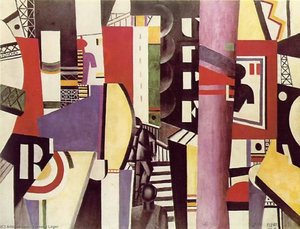
Fernand Léger's "untitled (749)," a captivating monochrome drawing, isn’t merely a depiction of figures on bicycles; it’s a vibrant snapshot of the burgeoning modernity that gripped Europe in the early 20th century. Created around 1930, this piece embodies Léger’s signature “Tubism,” a style he pioneered – a bold departure from traditional representation that sought to capture the essence of industrial life and its impact on human experience. The drawing pulsates with an energy born from simplified forms, geometric precision, and a deliberate fragmentation of perspective, inviting viewers into a world where the familiar is subtly transformed.
Léger’s approach to Cubism wasn't about replicating reality; it was about distilling it. He moved beyond Picasso and Braque’s initial explorations of fractured planes, developing a more streamlined aesthetic. “untitled (749)” exemplifies this with its flattened perspective – figures are presented simultaneously from multiple viewpoints, creating an illusion of depth through overlapping forms rather than traditional spatial relationships. The bicycles themselves aren't rendered realistically; instead, they become stylized machines, their wheels and frames reduced to essential geometric shapes. This deliberate simplification isn’t a rejection of detail, but a conscious choice to highlight the underlying structure and mechanics of the scene.
More than just an observation of urban life, “untitled (749)” speaks to the transformative power of industrialization. Léger was deeply fascinated by machines and their impact on society, viewing them as both a source of progress and a potential threat to traditional ways of life. The figures interacting with the bicycles can be interpreted as representing humanity’s adaptation to this new reality – embracing the speed and efficiency of modern transportation while grappling with its implications for social interaction and individual identity. The monochrome palette further emphasizes this industrial theme, evoking the cold steel and functional surfaces of factories and machines.
The drawing's composition suggests a sense of hurried movement, mirroring the pace of life in an increasingly mechanized world.Fernand Léger was a pivotal figure in the transition from early Cubism to more accessible forms of modern art. His work paved the way for Pop Art, demonstrating that everyday subjects—like bicycles and urban scenes—could be elevated to the level of artistic expression. His exploration of industrial themes resonated with a generation grappling with rapid technological advancements and societal change. Léger’s influence extends beyond painting; his distinctive style has been adopted by designers, architects, and filmmakers, solidifying his place as a key innovator in 20th-century art. Reproductions of “untitled (749)” offer a tangible connection to this groundbreaking artist and his enduring vision.
Today, "untitled (749)" stands as a testament to Léger’s unique ability to capture the spirit of an era—a dynamic blend of mechanization, movement, and human interaction that continues to resonate with audiences today.
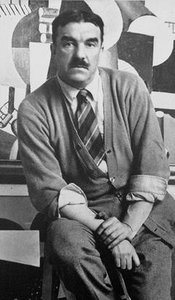
1881 - 1955 , საფრანგეთი

გაიგეთ, როგორ შექმნათ ელეგანტური და ფუნქციონალური ინტერიერი მინიმალიზმის პრინციპების გამოყენებით. შავი, თეთრი და ნაცრისფერი ფერების ჰარმონია სასტუმროს დიზაინისთვის და კომფორტის ზრდისთვის. ექსპერტული რჩევები BuyPopArt-ისგან.

Explore the revolutionary world of Early Modernism! Discover key artists like Picasso & Léger, pivotal movements, and lasting philosophical influences. Uncover the seeds of change that shaped 20th-century art.

Explore 10 Cubist masterpieces by Picasso, Braque & more! Delve into the history of this revolutionary art movement. Find museum-quality reproductions and elevate your home decor with BuyPopArt. Discover all masterpieces on BuyPopArt.com

აღმოფხვარე კუბიზმის 10 გამორჩეული შედევრი! პიკასო, ბრაკი და სხვა მოწინავე ხელოვანების ნამუშევრები. შეიგრძნობით რევოლუცია ხელოვნებაში. შეიძინეთ მაღალი ხარისბის რეპროდუქციები BuyPopArt.com-ზე!
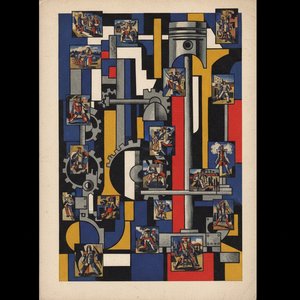
გაიცანით ფერნანდ λεჟეს 25 საუკეთესო შედევრი! კუბიზმის, ტუბიზმის და თანამედროვე ხელოვნების ისტორია. ნახატების რესპროდუქციები თქვენი სახლისთვის BuyPopArt-ზე. აღმოაჩინეთ ლეგერის გამოსახულებები ონლაინ!


ყოველთვის პირველი იყავით უახლესი ხელოვნების სიახლეების, ექსკლუზიური შეთავაზებებისა და დეკორაციის იდეების შესახებ ინფორმირებული.
გვიამარტეთ თქვენი პროექტის შესახებ და ჩვენი ხელოვნების ექსპერტები მოგაწვდით 3 პერსონალიზებულ რეკომენდაციას.
დაგვიძlinეთ სამი ვარიანტის შერჩევა სპეციალურად თქვენთვის – უფასოდ!


 წინასწარი ნახვა
 გაგზავნა
 გაზიარება
 დეტალები

 ჩამოტვირთვა
 მსგავსები
 რენტგენოგრაფიული კვლევა
 სლაიდშოუ

 გადასართად დაწვრილებით ნახეთ







 მინის ჩარჩოს არჩევანი ხელმისაწვდომია მხოლოდ 110 სმ-ზე ნაკლები ზომისთვის