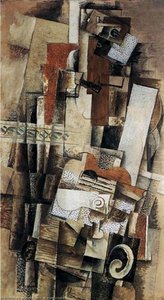
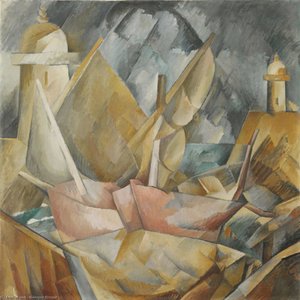
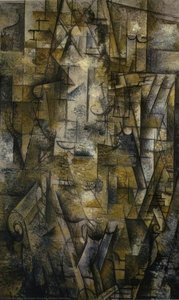
მუზეუმის დონის ჟიკლე ან ტილოზე ბეჭდვა სწრაფი წარმოებისა და დასრულების მოქნილი ვარიანტებით. ( შეიძინეთ ხელით შესრულებული ნახატი შეიძინეთ გამოსახულება)
აირჩიეთ ჩვენს მიერ წინასწარ განსაზღვრული ზომებიდან, რომლებიც ნაწარმოების ორიგინალურ პროპორციებს შეესაბამება.

თქვენ შეგიძლიათ მიუთითოთ საკუთარი ზომები კონკრეტული ჩარჩოსთვის ან სივრცისთვის მოსარგებლებლად. თუ თქვენ მიერ არჩეული ზომა არ შეესაბამება ორიგინალი გამოსახულების პროპორციებს, ჩვენ ან დავჭრით ნამუშევარს, ან გავაფართოვებთ გამოსახულებას სარკული ან ერთფეროვანი კიდეებით. წარმოების დაწყებამდე თქვენს დასამტკიცებლად გამოგეგზავნებათ ციფრული მაკეტი.
გთხოვთ, გაითვალისწინოთ, რომ ეკრანზე ნაჩვენები წინასწარი ნახვა არ ასახავს რეალურ ჭრას ან გაფართოებას. მხოლოდ მაკეტზე იქნება ზუსტად წარმოდგენილი საბოლოო კომპოზიცია.
მიუხედავად იმისა, რომ ინდივიდუალური ზომები ხელმისაწვდომია, ორიგინალური პროპორციების შესანარჩუნებლად გირჩევთ, აირჩიოთ ზომა წინასწარ განსაზღვრული სიისგან.
მიწოდება მთელ მსოფლიოში () 2 კვირაში, სტანდარტული 4/5 კვირის ნაცვლად. (17 აგვისტო)


Cabines
რეკლამაციის ზომა
To gaze upon Georges Braque’s Cabines is to witness the very moment the foundations of Western representation began to fracture and reform. Created in 1907, this seminal work serves as a profound gateway into the Cubist revolution, a period where the artist sought not to mirror the world, but to interrogate its fundamental structure. The painting presents a deceptively quiet scene—small cabins nestled against a rugged, rocky outcrop beneath a brooding, heavy sky—yet beneath this stillness lies a radical deconstruction of reality. Braque moves away from the fleeting light of Impressionism to embrace a more permanent, intellectual exploration of form. Through his eyes, we do not see a mere landscape; we see a rhythmic arrangement of geometric planes that challenge our very perception of space and existence.
The composition is a masterclass in the early Cubist technique, where the boundaries between object and atmosphere begin to dissolve. Braque utilizes a palette of shadows, dominated by somber shades of charcoal gray, deep brown, and earthy black, which imbues the work with a haunting, melancholic resonance. There is no singular, clear light source; instead, a subtle play of tonal variations suggests a world caught in a state of transition. The texture of the canvas itself feels vital to the narrative, as thick, deliberate brushstrokes define the cliff face and the skeletal structure of the boat resting on the shore. This tactile quality creates a sense of palpable weight and solidity, grounding the abstract shapes in a physical, almost visceral reality that invites the viewer to touch the very essence of the paint.
Beyond its formal innovations, Cabines carries a profound emotional weight that speaks to the human condition. The fragmentation of the cabins and the rocky terrain can be interpreted as a reflection of modern existentialism—a sense of isolation and vulnerability within an indifferent universe. The way the structures are broken into angular, sharp-edged forms suggests a world that is no longer stable or unified, but rather a collection of disparate perspectives. For the collector or the interior designer, this piece offers more than just aesthetic beauty; it provides a focal point of intellectual depth. It is a work that demands contemplation, offering a sophisticated atmosphere of mystery and quiet strength.
Integrating a high-quality reproduction of such a masterpiece into a curated space allows for a dialogue between history and modernity. The monochromatic elegance of Braque’s vision complements contemporary minimalist interiors, adding a layer of historical gravity and textural richness. Whether placed in a professional gallery setting or a private study, Cabines acts as an anchor of profound thought, reminding us that even within the broken fragments of our perception, there is a powerful, underlying structure waiting to be discovered. It is an invitation to look closer, to see beyond the surface, and to find beauty in the complexity of the fractured whole.
Georges Braque, born in Argenteuil, France, in 1882, embarked on a path deeply intertwined with the evolving landscape of modern art. His upbringing within a family of house painters and decorators instilled in him not only a technical mastery of materials but also an early appreciation for form and structure. Though initially following in his father’s trade, Braque's inherent artistic inclinations soon led him to formal training at the École des Beaux-Arts in Le Havre, marking the beginning of his journey toward becoming one of the most influential painters of the 20th century. This foundation—a blend of practical craftsmanship and academic study—would prove crucial as he later deconstructed and reimagined traditional artistic conventions.
Moving to Paris in 1902, Braque continued his studies at the Académie Humbert, immersing himself in the vibrant artistic milieu of the city. It was here that he encountered artists like Marie Laurencin and Francis Picabia, forging connections that would shape his early development. His initial works reflected the prevailing influences of Impressionism and Post-Impressionism, but a pivotal encounter with the bold colors and expressive freedom of Fauvism in 1905 ignited a new direction in his artistic exploration.
Braque’s adoption of Fauvist principles—characterized by intense, non-naturalistic color and emotional expression—is vividly exemplified in paintings like The Patience. This period saw him working alongside artists such as Henri Matisse and André Derain, experimenting with vibrant palettes and simplified forms. However, Braque's engagement with Fauvism was not merely imitative; he infused it with a unique sensibility, tempering the movement’s unrestrained exuberance with a more restrained and analytical approach.
A turning point arrived in 1907 with his exposure to the retrospective exhibition of Paul Cézanne's work. Cézanne’s emphasis on geometric forms and multiple perspectives profoundly impacted Braque, setting the stage for his groundbreaking collaboration with Pablo Picasso. Beginning in 1908, these two artistic titans embarked on a period of intense intellectual exchange that would give birth to Cubism—a revolutionary movement that shattered traditional notions of representation.
Together, Braque and Picasso developed Analytical Cubism, dissecting objects into fragmented geometric shapes and presenting multiple viewpoints simultaneously. Works like Houses at L'Estaque demonstrate this early phase, showcasing a radical departure from conventional perspective and a focus on the underlying structure of forms. Their palette became deliberately muted, emphasizing form over color, as they sought to represent the totality of an object’s presence rather than merely its appearance.
The partnership between Braque and Picasso continued to push the boundaries of artistic expression, leading to the development of Synthetic Cubism around 1912. This phase saw the introduction of collage—the incorporation of real-world materials such as newspaper clippings, wallpaper, and fabric into paintings. This innovation challenged the traditional hierarchy between painting and sculpture, blurring the lines between art and life.
Braque’s pioneering use of *papier collé* (pasted paper) marked a significant turning point in his artistic evolution. By integrating fragments of everyday objects into his compositions, he disrupted the illusionistic space of traditional painting and introduced a new level of materiality and texture. This technique not only expanded the formal possibilities of art but also reflected a growing interest in the relationship between representation and reality.
The outbreak of World War I in 1914 brought an interruption to this intense collaboration, as Braque was called upon for military service. His wartime experiences profoundly affected his artistic vision, leading him to explore more personal and lyrical themes in his post-war work.
Following the war, Braque’s style evolved beyond the strict confines of Cubism, incorporating elements of classical composition and a renewed interest in still life. While retaining the geometric influences that had defined his earlier work, he developed a more nuanced and contemplative approach to painting. His later landscapes and interiors are characterized by their serene atmosphere and subtle harmonies of color.
Throughout his career, Braque remained committed to exploring the fundamental principles of form, space, and representation. He continued to experiment with different materials and techniques, pushing the boundaries of artistic expression until his death in 1963. His influence on subsequent generations of artists is immeasurable, shaping the course of modern art and inspiring countless painters, sculptors, and collagists.
Georges Braque’s legacy extends beyond his individual artworks; he fundamentally altered our understanding of how we perceive and represent the world around us. His collaborative spirit with Picasso, coupled with his own unique artistic vision, cemented his place as a true pioneer of modern art—a master who dared to challenge conventions and redefine the possibilities of painting.
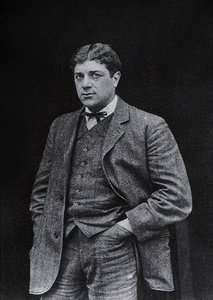
1882 - 1963 , საფრანგეთი

Explore how Analytical Cubism shattered reality to redefine modern design. Discover the revolutionary impact of Picasso and Braque on contemporary aesthetics, from graphic art to urban interiors. Dive into a visual journey through the movement that changed how we see the world.

Explore how Cubism revolutionized modern art by shattering perspective. Discover the bold, fragmented genius of Picasso and Braque, and learn how to bring this high-impact, geometric energy into your contemporary space with premium, hand-painted reproductions.


ყოველთვის პირველი იყავით უახლესი ხელოვნების სიახლეების, ექსკლუზიური შეთავაზებებისა და დეკორაციის იდეების შესახებ ინფორმირებული.
გვიამარტეთ თქვენი პროექტის შესახებ და ჩვენი ხელოვნების ექსპერტები მოგაწვდით 3 პერსონალიზებულ რეკომენდაციას.
დაგვიძlinეთ სამი ვარიანტის შერჩევა სპეციალურად თქვენთვის – უფასოდ!


 წინასწარი ნახვა
 გაგზავნა
 გაზიარება
 დეტალები

 ჩამოტვირთვა
 მსგავსები
 რენტგენოგრაფიული კვლევა
 სლაიდშოუ

 გადასართად დაწვრილებით ნახეთ




































 მინის ჩარჩოს არჩევანი ხელმისაწვდომია მხოლოდ 110 სმ-ზე ნაკლები ზომისთვის