

მუზეუმის დონის ჟიკლე ან ტილოზე ბეჭდვა სწრაფი წარმოებისა და დასრულების მოქნილი ვარიანტებით. ( შეიძინეთ ხელით შესრულებული ნახატი შეიძინეთ გამოსახულება)
აირჩიეთ ჩვენს მიერ წინასწარ განსაზღვრული ზომებიდან, რომლებიც ნაწარმოების ორიგინალურ პროპორციებს შეესაბამება.

თქვენ შეგიძლიათ მიუთითოთ საკუთარი ზომები კონკრეტული ჩარჩოსთვის ან სივრცისთვის მოსარგებლებლად. თუ თქვენ მიერ არჩეული ზომა არ შეესაბამება ორიგინალი გამოსახულების პროპორციებს, ჩვენ ან დავჭრით ნამუშევარს, ან გავაფართოვებთ გამოსახულებას სარკული ან ერთფეროვანი კიდეებით. წარმოების დაწყებამდე თქვენს დასამტკიცებლად გამოგეგზავნებათ ციფრული მაკეტი.
გთხოვთ, გაითვალისწინოთ, რომ ეკრანზე ნაჩვენები წინასწარი ნახვა არ ასახავს რეალურ ჭრას ან გაფართოებას. მხოლოდ მაკეტზე იქნება ზუსტად წარმოდგენილი საბოლოო კომპოზიცია.
მიუხედავად იმისა, რომ ინდივიდუალური ზომები ხელმისაწვდომია, ორიგინალური პროპორციების შესანარჩუნებლად გირჩევთ, აირჩიოთ ზომა წინასწარ განსაზღვრული სიისგან.
მიწოდება მთელ მსოფლიოში () 2 კვირაში, სტანდარტული 4/5 კვირის ნაცვლად. (17 აგვისტო)


Daedalus
რეკლამაციის ზომა
Giotto di Bondone's Daedalus, housed within the Museo dell’Opera del Duomo in Florence, Italy, stands as a pivotal work of the Italian Renaissance. This marble relief sculpture exemplifies Giotto's groundbreaking approach to depicting human emotion and movement, marking a significant departure from earlier artistic conventions.
Daedalus, created between 1305 and 1310, portrays the legendary figure of Daedalus from Greek mythology. He is depicted with wings affixed to his back, symbolizing his desperate attempt to escape imprisonment on the island of Crete alongside his son Icarus. Giotto masterfully captures a moment of intense emotion – the yearning for freedom, the fear of failure, and perhaps even a touch of hubris. The sculpture’s power lies not just in its narrative but also in the subtle details: the carefully rendered folds of Daedalus' clothing, the strain evident in his posture, and the expression on his face that conveys both determination and anxiety.
Giotto’s Daedalus emerged during a period of profound artistic transformation. The Italian Renaissance witnessed a renewed interest in classical Greek and Roman art and culture, prompting artists to move away from the stylized conventions of Byzantine art. Giotto was at the forefront of this shift, pioneering a more naturalistic style that emphasized human emotion and realistic representation. He, alongside figures like Michelangelo Buonarroti (though much later), fundamentally reshaped the artistic landscape of the period. His work signaled a departure from purely symbolic representations towards depictions grounded in observed reality – a key characteristic of Renaissance art.
The sculpture is crafted from marble, showcasing Giotto’s skill as a sculptor. The relief technique—where figures are carved in raised detail against a flat background—allows for depth and dimension while maintaining a sense of unity. The wings themselves are laden with symbolism; they represent not only Daedalus' ambition to escape but also the human desire for transcendence and freedom from earthly constraints. The choice of marble, a material associated with classical antiquity, further reinforces the work’s connection to Renaissance ideals. Giotto’s use of light and shadow across the sculpted surface enhances the drama and emotional impact of the scene.
For those unable to experience this masterpiece firsthand at the Museo dell'Opera del Duomo, BuyPopArt.com offers meticulously crafted oil painting reproductions of Giotto’s Daedalus. These reproductions are created by skilled artists employing traditional techniques to faithfully capture the beauty and essence of the original artwork. Owning a reproduction allows art enthusiasts to bring a piece of Renaissance history into their homes, appreciating the innovative spirit and artistic genius of Giotto di Bondone.
დაახლოებით 1267 წელს, ფლორენციასთან ახლომდებარე rolling გ hills-ში დაბადებული ჯიოტო დი ბონდონე, თავიდანვე გამოჩნდა როგორც ყველაზე მნიშვნელოვანი ფიგურა შუა საუკუნეების მხატვრული კონვენციებიდან რენესანსისკენ გარდამავალში. მისი ადრეული ცხოვრება ლეგენდის საფარქვეშ იმალება – მწყემარი ბიჭი აღმოაჩენს, როგორ ζωγραφავსRemarkably lifelike ცხვრებს ქვებზე, რაც ფლორენტელ დიდოსტატ სიმბუეს ყურადღებას იპყრობს. მიუხედავად იმისა, არის თუ არა ეს ფაქტი თუ ფოლკლორი, ეს მოვლენა ასახავს ჯიოტოს გენიალობის არსს: ბუნებრივი სამყაროს აღწევა беспрецедентным რეალიზმით და ემოციური სიღრმით. სიმბუესმა მას учеником მიიღო, ჯიოტონი hızla გადააჭარბა მას, შეი吸收기술 skills, მაგრამ თავისი გზას გაიხსნა. იმ დროს დომინირებდა ბიზანტიური სტილი, რომელიც favors stylized ფიგურებს, flattened პერსპექტივებს და lavish ოქროს ფონებს – სიმბოლოები духовного transcendence-ის, rather than earthly representation-ისა. ჯიოტოს, თუმცა, სწრაფვა ჰქონდა ადამიანების აღწევას არა ethereal icons-ად, არამედ individuals-ად, რომლებიც duygular-ითააimbued და tangible space-ში არსებობენ.
ჯიოტოს მხატვრული რევოლუცია არ იყო sudden upheaval, არამედ gradual evolution. მისი ადრეული ნაშრომები უკვე hints at the shift to come, demonstrating a growing emphasis on volume, weight და believable anatomy-ს. მან დაიწყო მსოფლიოს დაკვირვება არა მხოლოდ decorative elements-ად, არამედ tools-ად form-ის sculpt-ისთვის და depth-ის შესაქმნელად. This nascent naturalism is evident in his contributions to the frescoes in the Upper Basilica of Saint Francis of Assisi – though authorship remains debated, many scholars recognize Giotto’s hand in scenes that display a marked departure from prevailing Byzantine aesthetics. ის არ უბრალოდ отказывается ტრადიციას; ის მას აყალიბებს, established forms-ს infusing newfound sense of humanity და emotional resonance-ით. მან понял the power of narrative, crafting compositions that told stories not through rigid symbolism, but through expressive gestures, believable interactions and carefully constructed settings.
ჯიოტოს შედევარი, და შესაძლოა დასავლური ხელოვნების ისტორიაში ერთ-ერთი ყველაზე მნიშვნელოვანი ნამუშევარი, არის frescoes cycle, რომელიც ამშვენებს სკროვეგნი კაპელას (Arena Chapel) Padu-ში. დაახლოებით 1305 წელს დასრულებული ეს захватывающий series depicts the life of Christ and the Virgin Mary with a revolutionary level of realism and emotional intensity. Each scene unfolds like a carefully staged drama, populated by figures who are not merely representations of religious archetypes, but fully realized human beings experiencing joy, sorrow, fear და hope. The *Last Judgment*, dominating one entire wall, is a powerful testament to Giotto’s skill in conveying both divine majesty and the raw vulnerability of humanity facing its ultimate reckoning. Perspective-ის გამოყენება, though not mathematically precise by later Renaissance standards, creates a convincing illusion of depth, drawing the viewer into the narrative. The figures are grounded, their bodies possessing weight და volume, and their expressions convey a range of emotions that were previously unseen in religious art.
ჯიოტოს გავლენა მომავალ თაობათა მხატვრებზე immeasurable იყო. ის ხსნის ხიდს შუა საუკუნეებსა და რენესანსს შორის, paving the way for masters like Masaccio, Leonardo da Vinci და Michelangelo. Vasari, his seminal *Lives of the Artists*, credited Giotto with “giving to painting the great art of doing things from life,” a testament to his profound impact on the course of Western art. ჯიოტონი არა უბრალოდ აღწევდა სამყაროს; ის ცდილობდა მის გაგებას, მისი essence-ის აღებას და იმ გაგების გადაცემას visual storytelling-ის ძალებით. მისი legacy continues to inspire awe and admiration centuries after his death, solidifying his place as one of history's greatest artistic innovators.
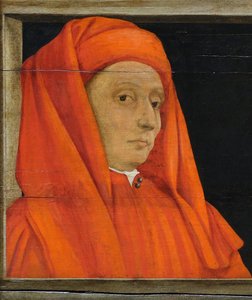
1267 - 1337 , იტალია
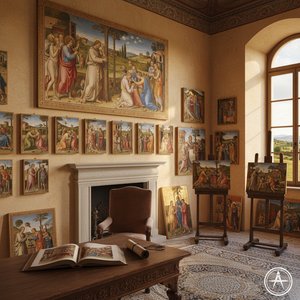
აღმოაჩინეთ გიოტოს 25 უნიკალური შედევრი! რენესანსის ეპოქის ფრესკები, მადონას გამოსახულებები და იტალიური ხელოვნების საუკეთესო ნიმუშები BuyPopArt-ზე. ხარისხიანი რეპროდუქციები თქვენი სახლისთვის. Explore the full collection online!
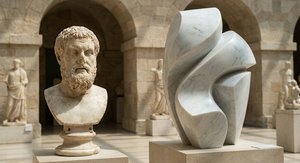
Explore the captivating history of marble sculpture from ancient Greece to modern art. Discover renowned artists like Canova & Michelangelo, carving techniques, and investment insights at BuyPopArt.
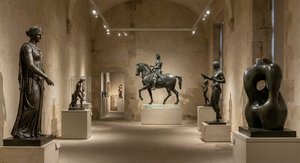
Journey through art history with our Top 10 bronze sculptures! Explore masterpieces by Rodin, Michelangelo & more. Discover stories behind iconic statues and find museum-quality reproductions for your home decor at BuyPopArt.com.

Explore the profound beauty of sculptural relief art. From classical bas-relief to modern geometric textures, discover how depth and light transform spaces through an expert guide on art history and sophisticated curation for discerning collectors.

Journey back to the dawn of Renaissance art! Explore 10 iconic Proto-Renaissance masterpieces by Giotto, Cimabue & Duccio. Discover their stories, techniques & lasting impact. Find museum-quality reproductions for your home at BuyPopArt.com


ყოველთვის პირველი იყავით უახლესი ხელოვნების სიახლეების, ექსკლუზიური შეთავაზებებისა და დეკორაციის იდეების შესახებ ინფორმირებული.
გვიამარტეთ თქვენი პროექტის შესახებ და ჩვენი ხელოვნების ექსპერტები მოგაწვდით 3 პერსონალიზებულ რეკომენდაციას.
დაგვიძlinეთ სამი ვარიანტის შერჩევა სპეციალურად თქვენთვის – უფასოდ!


 გაგზავნა
 გაზიარება
 დეტალები

 ჩამოტვირთვა
 მსგავსები
 სლაიდშოუ


 გადასართად დაწვრილებით ნახეთ




































 მინის ჩარჩოს არჩევანი ხელმისაწვდომია მხოლოდ 110 სმ-ზე ნაკლები ზომისთვის


