x


 სურათის შეძენა გამოსახულების შეძენა
 გაგზავნა
 დეტალები
 დამატება ფავორიტებში
 ჩამოტვირთვა
 მსგავსები
 რენტგენოგრაფიული კვლევა
 სლაიდშოუ
 აკრილი ტილოზეკედლის დეკორიFauvist Expressionism
 1952თანამედროვე ეპოქა
 112.0 x 73.0 cm
 Musée National d'Art Moderne
მუზეუმის დონის ჟიკლე ან ტილოზე ბეჭდვა სწრაფი წარმოებისა და დასრულების მოქნილი ვარიანტებით.
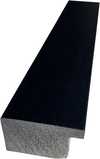
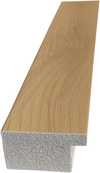
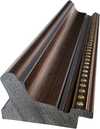
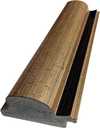
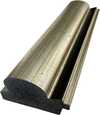
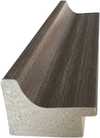
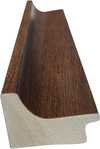
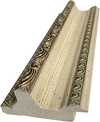
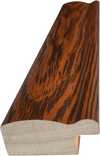
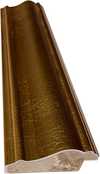
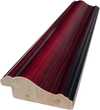
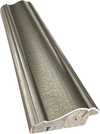
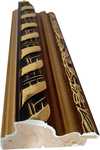
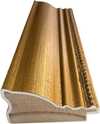
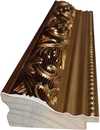
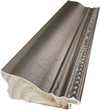
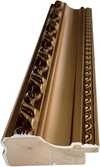
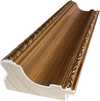
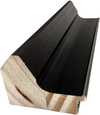
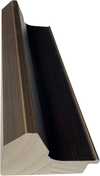
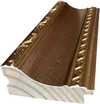
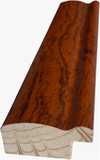
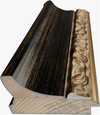
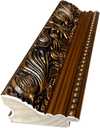
აირჩიეთ ჩვენს მიერ წინასწარ განსაზღვრული ზომებიდან, რომლებიც ნაწარმოების ორიგინალურ პროპორციებს შეესაბამება.

თქვენ შეგიძლიათ მიუთითოთ საკუთარი ზომები კონკრეტული ჩარჩოსთვის ან სივრცისთვის მოსარგებლებლად. თუ თქვენ მიერ არჩეული ზომა არ შეესაბამება ორიგინალი გამოსახულების პროპორციებს, ჩვენ ან დავჭრით ნამუშევარს, ან გავაფართოვებთ გამოსახულებას სარკული ან ერთფეროვანი კიდეებით. წარმოების დაწყებამდე თქვენს დასამტკიცებლად გამოგეგზავნებათ ციფრული მაკეტი.
გთხოვთ, გაითვალისწინოთ, რომ ეკრანზე ნაჩვენები წინასწარი ნახვა არ ასახავს რეალურ ჭრას ან გაფართოებას. მხოლოდ მაკეტზე იქნება ზუსტად წარმოდგენილი საბოლოო კომპოზიცია.
მიუხედავად იმისა, რომ ინდივიდუალური ზომები ხელმისაწვდომია, ორიგინალური პროპორციების შესანარჩუნებლად გირჩევთ, აირჩიოთ ზომა წინასწარ განსაზღვრული სიისგან.
მიწოდება მთელ მსოფლიოში () 2 კვირაში, სტანდარტული 4/5 კვირის ნაცვლად. (18 ივლისი)


ᲜᲘველი ლურქული III
რეკლამაციის ზომა
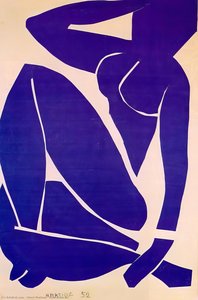
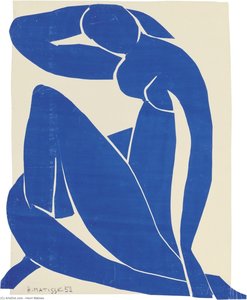
Henri Matisse’s “Blue Nude III,” completed in 1952, stands as an emblem of Matisse’s late artistic explorations—a testament to his unwavering commitment to simplifying form while amplifying the expressive power of color. This monumental cut-paper collage transcends mere representation; it embodies a profound meditation on human beauty and solitude, firmly rooted within the stylistic landscape of Abstract Expressionism.
At first glance, “Blue Nude III” presents a strikingly minimalist depiction of a reclining female nude. Matisse eschews detailed anatomical rendering, prioritizing instead the conveyance of emotion and psychological depth. The figure’s posture—relaxed yet poised—suggests an inner stillness, inviting viewers into a quiet contemplation of the human form itself. This deliberate reduction to its core elements underscores Matisse's belief that art should communicate universal truths rather than merely mirroring reality.
Matisse’s masterful technique—the painstaking application of cut-paper collage—was a pivotal departure from traditional painting methods. Utilizing thick, fluid lines meticulously traced onto colored paper (primarily cardboard), he achieved remarkable textural contrast between the deep purple hues and the creamy beige background. The geometric shapes – curves defining the torso and limbs, angular forms hinting at the head and feet – are strategically positioned to maximize visual impact and create a dynamic interplay of light and shadow. This technique allowed Matisse to liberate himself from constraints imposed by brushstrokes, prioritizing color and form as primary expressive vehicles.
“Blue Nude III” emerged during Matisse's final decade—a period marked by his fervent embrace of Abstract Expressionism. Influenced by artists like Jackson Pollock and Willem de Kooning, Matisse sought to capture the immediacy and emotional intensity characteristic of this movement. He moved away from representational concerns, focusing instead on conveying feeling through bold color palettes and simplified shapes – a conscious decision to prioritize artistic intuition over academic precision.
The artwork’s overarching symbolism speaks to themes of serenity, introspection, and the inherent dignity of human existence. The deliberate absence of shading or embellishment reinforces this sense of quiet contemplation, prompting viewers to consider the profound beauty found within simplicity. “Blue Nude III” isn't merely a depiction of a nude figure; it’s an invitation to engage in a dialogue with oneself—a celebration of inner peace and artistic liberation.
This striking piece exemplifies Matisse’s enduring legacy as a pioneer of modern art—a visionary who transformed the canvas into a space for emotional resonance and artistic contemplation.
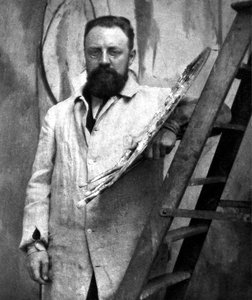
1869 - 1954 , საფრანგო
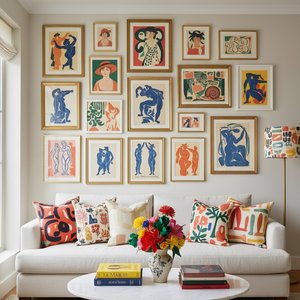
გაიცანით ანრი მატისის 25 შედევრი! ფოვიზმის ბრწყინვალება, ფერადი პორტრეტები და უნიკალური სტილი. ხელოვნების ისტორია BuyPopArt.com-ზე - მაღალი ხარისხის რეპროდუქციები თქვენი სახლისთვის. აღმოაჩინეთ მთელი კოლექცია ონლაინ!

Explore 10 Fauvist masterpieces by Matisse, Derain & Vlaminck that ignited Modern Art! Discover bold colors, expressionist landscapes & the history of this revolutionary movement. Find museum-quality prints at BuyPopArt.com.
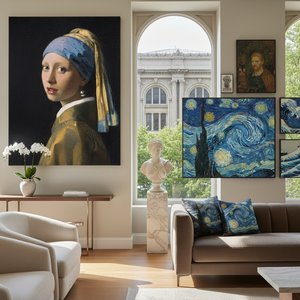
გაიცანით ნიუ-იორკის მეტროპოლიტენის 25 უმნიშვნელოვანესი შედევრი! ვან გოგის, მონეს და სხვა ცნობილი მხატვრების ნახატების ისტორია. სახლის დეკორისთვის ხელოვნების რეკონსტრუქცია BuyPopArt.com-ზე. Explore the full collection online!

აღმოფრთოვანდით ფავიზმის 10 გამორჩეული შედევრით! Henri Matisse, André Derain და სხვა მხატვრების ნამუშევრები. შეიგრძენ ექსპრესიულ ფერებსა და უნიკალურ სტილს. იხილეთ საუკეთესო ტილოები BuyPopArt.com-ზე!
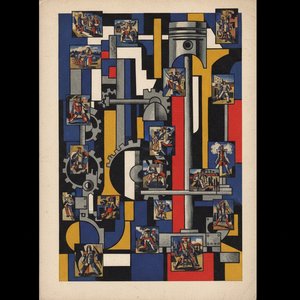
გაიცანით ფერნანდ λεჟეს 25 საუკეთესო შედევრი! კუბიზმის, ტუბიზმის და თანამედროვე ხელოვნების ისტორია. ნახატების რესპროდუქციები თქვენი სახლისთვის BuyPopArt-ზე. აღმოაჩინეთ ლეგერის გამოსახულებები ონლაინ!


ყოველთვის პირველი იყავით უახლესი ხელოვნების სიახლეების, ექსკლუზიური შეთავაზებებისა და დეკორაციის იდეების შესახებ ინფორმირებული.
გვიამარტეთ თქვენი პროექტის შესახებ და ჩვენი ხელოვნების ექსპერტები მოგაწვდით 3 პერსონალიზებულ რეკომენდაციას.
დაგვიძlinეთ სამი ვარიანტის შერჩევა სპეციალურად თქვენთვის – უფასოდ!


 გაზიარება

 გადასართად დაწვრილებით ნახეთ
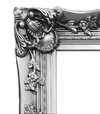
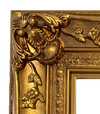
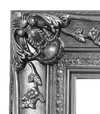
 მინის ჩარჩოს არჩევანი ხელმისაწვდომია მხოლოდ 110 სმ-ზე ნაკლები ზომისთვის