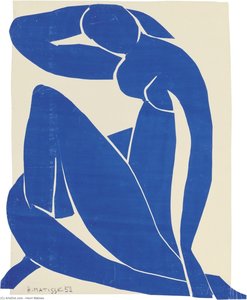
აკრილი ტილოზეკედლის დეკორიFauvism
 1912თანამედროვე ეპოქა
 192.0 x 115.0 cm
მუზეუმის დონის ჟიკლე ან ტილოზე ბეჭდვა სწრაფი წარმოებისა და დასრულების მოქნილი ვარიანტებით. ( შეიძინეთ ხელით შესრულებული ნახატი შეიძინეთ გამოსახულება)





























აირჩიეთ ჩვენს მიერ წინასწარ განსაზღვრული ზომებიდან, რომლებიც ნაწარმოების ორიგინალურ პროპორციებს შეესაბამება.

თქვენ შეგიძლიათ მიუთითოთ საკუთარი ზომები კონკრეტული ჩარჩოსთვის ან სივრცისთვის მოსარგებლებლად. თუ თქვენ მიერ არჩეული ზომა არ შეესაბამება ორიგინალი გამოსახულების პროპორციებს, ჩვენ ან დავჭრით ნამუშევარს, ან გავაფართოვებთ გამოსახულებას სარკული ან ერთფეროვანი კიდეებით. წარმოების დაწყებამდე თქვენს დასამტკიცებლად გამოგეგზავნებათ ციფრული მაკეტი.
გთხოვთ, გაითვალისწინოთ, რომ ეკრანზე ნაჩვენები წინასწარი ნახვა არ ასახავს რეალურ ჭრას ან გაფართოებას. მხოლოდ მაკეტზე იქნება ზუსტად წარმოდგენილი საბოლოო კომპოზიცია.
მიუხედავად იმისა, რომ ინდივიდუალური ზომები ხელმისაწვდომია, ორიგინალური პროპორციების შესანარჩუნებლად გირჩევთ, აირჩიოთ ზომა წინასწარ განსაზღვრული სიისგან.
მიწოდება მთელ მსოფლიოში () 2 კვირაში, სტანდარტული 4/5 კვირის ნაცვლად. (13 აგვისტო)


Dance
რეკლამაციის ზომა
Henri Matisse’s “Dance” (1912) stands as a cornerstone of Fauvist art—a movement that irrevocably altered the course of 20th-century painting. More than just an image, it's an embodiment of liberation and joy, captured with audacious brushstrokes and pigments that defy conventional representation.
Painted during Matisse’s formative years alongside Pablo Picasso, “Dance” reflects the broader artistic currents of its time. Artists were actively rejecting academic conventions in favor of exploring primal emotions and sensations—a reaction against the perceived rigidity of Impressionism. Matisse's fascination with African masks and tribal art profoundly influenced his stylistic choices, injecting a raw energy and expressive freedom into his canvases.
The painting’s composition is deceptively simple yet remarkably effective. A group of nude figures occupies the central space in a swirling circular formation, mirroring the rhythm of dance itself. Matisse employs a masterful juxtaposition of warm hues—primarily reds, oranges, and yellows—against cooler blues and greens—creating visual tension that conveys dynamism and emotional release. The dancer’s poses are deliberately stylized, prioritizing gesture and movement over anatomical accuracy.
Matisse achieved his signature style through a technique characterized by thick impasto – applying paint directly onto the canvas with visible brushstrokes—creating textural surfaces that pulsate with color. This bold approach was revolutionary for its time, prioritizing expressive gesture over meticulous detail. The artist meticulously blended colors to achieve luminous effects and heighten the emotional impact of the scene.
"Dance" wasn’t merely a stylistic outlier; it served as a catalyst for subsequent artistic movements. Its embrace of color and expressive abstraction paved the way for Cubism, Futurism, Surrealism, and numerous other avant-garde explorations. As evidenced by reproductions like “Nasturtiums with \"The Dance\"” (Metropolitan Museum of Art), Matisse’s vision continues to inspire artists and collectors alike—a testament to his enduring contribution to the history of art.
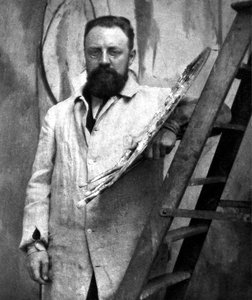
1869 - 1954 , საფრანგო

Explore the vibrant world of Fauvism with our expert guide. Discover how masters like Henri Matisse revolutionized art through bold colors and expressive strokes, defining a movement that continues to inspire collectors and art enthusiasts worldwide.

Elevate your space with bold, iconic dance art. From street art vibes to Pop Art masterpieces, discover high-impact, hand-painted reproductions and custom commissions designed to move you. Transform your walls with the rhythm of contemporary culture.


ყოველთვის პირველი იყავით უახლესი ხელოვნების სიახლეების, ექსკლუზიური შეთავაზებებისა და დეკორაციის იდეების შესახებ ინფორმირებული.
გვიამარტეთ თქვენი პროექტის შესახებ და ჩვენი ხელოვნების ექსპერტები მოგაწვდით 3 პერსონალიზებულ რეკომენდაციას.
დაგვიძlinეთ სამი ვარიანტის შერჩევა სპეციალურად თქვენთვის – უფასოდ!


 წინასწარი ნახვა
 გაგზავნა
 გაზიარება
 დეტალები

 ჩამოტვირთვა
 მსგავსები
 რენტგენოგრაფიული კვლევა
 სლაიდშოუ
 გადასართად დაწვრილებით ნახეთ







 მინის ჩარჩოს არჩევანი ხელმისაწვდომია მხოლოდ 110 სმ-ზე ნაკლები ზომისთვის