ტილოზე შესრულებული ფერწერიანი ზეთប្រდათი, თქვენთვის სასურველი ზომისა და ჩარჩოსთვის, ჩვენი ხელოვანების მიერ შეკვეთის საფუძველზე დამზადებული. ( შეიძინეთ პრინტი შეიძინეთ გამოსახულება)





























აირჩიეთ ჩვენს მიერ წინასწარ განსაზღვრული ზომებიდან, რომლებიც ნაწარმოების ორიგინალურ პროპორციებს შეესაბამება.

თქვენ შეგიძლიათ მიუთითოთ თქვენთვის სასურველი ზომები კონკრეტული ჩარჩოს ან სივრცის შესაბამისად. თუ თქვენ მიერ არჩეული ზომა არ შეესაბამება ორიგინალი გამოსახულების პროპორციებს, ჩვენ ან შევაჭრებთ ნაწარმოებს, ან ტილოზე დავამატებთ ხელით მოხატულ ელემენტებს. წარმოების დაწყებამდე, დამტკიცებისთვის გამოგეგზავნებათ ციფრული მაკეტი.
გთხოვთ, გაითვალისწინოთ, რომ ეკრანზე ნაჩვენები წინასწარი შეხედულება არ ასახავს რეალურ შეჭრას ან გაფართოებას. საბოლოო კომპოზიციას ზუსტად მხოლოდ მაკეტი წარმოაჩენს.
მიუხედავად იმისა, რომ შესაძლებელია ინდივიდუალური ზომების შერჩევა, ორიგინალური პროპორციების შენარჩუნებისათვის გირჩევთ, გამოიყენოთ წინასწარ განსაზღვრული სიის ზომები.
მიწოდება მსოფლიო მასშტაბით -ში 3/4 კვირაში, სტანდარტული 5 კვირის ნაცვლად. (19 აგვისტო). ხარისხზე კომპრომისის გაკეთება არ მოხდება.


Ma Chambre preferee
რეკლამაციის ზომა
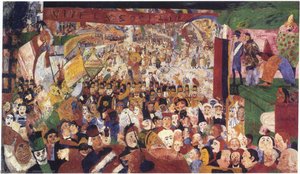
James Ensor's “Ma Chambre preferee,” or “My Favorite Room,” stands as a cornerstone of Expressionist art, offering an unsettling yet undeniably captivating glimpse into the artist’s psyche. Painted in 1897, this oil on canvas transcends mere depiction; it is a deliberate provocation designed to unsettle viewers and confront them with uncomfortable truths about human existence. Ensor meticulously crafted this scene—a bedroom populated by figures engaged in mundane activities—to distill the essence of psychological drama into visual form. The painting serves as more than just a domestic interior; it is a window into the anxieties simmering beneath the surface of late 19th-century Europe, capturing a moment where the boundaries between reality and the subconscious begin to blur.
At its core, the work embodies the very essence of the Expressionist vision, prioritizing emotional intensity over objective accuracy. Ensor brilliantly manipulates artistic technique to bypass rational representation, employing bold, clashing colors—predominantly vibrant yellows and reds juxtaposed against muted, somber blues and greens. This creates a palpable sense of dissonance that mirrors the inner turmoil portrayed within the frame. The artist’s signature distortion is evident throughout the composition; forms are warped and exaggerated, conveying feelings of unease and disorientation. For the collector or enthusiast, this stylistic choice offers a profound sensory experience, as the painting refuses to present a straightforward visual reality, instead inviting the viewer into a dreamlike, often disorienting, state of mind.
Beyond its formal brilliance, “Ma Chambre preferee” operates on a deep symbolic level, where every object within the cluttered room carries a weight of meaning. The bedroom itself becomes a microcosm of the human condition, representing intimacy, vulnerability, and ultimately, a sense of confinement. A piano dominates much of the composition, acting as a powerful symbol of intellect and artistic aspiration, yet its presence simultaneously hints at isolation and perhaps even psychological repression. As one gazes upon the scattered figures—some standing, others reclining in various states of repose—the room feels less like a sanctuary and more like a stage for a silent, chaotic drama.
The atmosphere is one of beautiful chaos, where a clock hanging near the top left corner serves as a subtle reminder of the relentless passage of time, while books and miscellaneous objects suggest a life lived amidst intellectual clutter. For interior designers and art lovers alike, this piece offers an incredible depth of narrative. It is not merely a decoration but a conversation starter that brings a sense of historical gravity and psychological complexity to any space. Whether placed in a modern gallery setting or a classic study, the painting’s ability to evoke both fascination and unease makes it a timeless acquisition for those who appreciate art that challenges the spirit.
James Sidney Edouard, Baron Ensor (Ostend, 13 April 1860 – 19 November 1949) was a Belgian painter and printmaker who stands as one of the most influential figures in the development of Expressionism and Surrealism. Born into an English father and Belgian mother amidst the vibrant atmosphere of Ostend’s seaside resort town, Ensor’s upbringing profoundly shaped his artistic vision—a vision characterized by unsettling imagery, bold brushwork, and a relentless interrogation of human psychology.
From a young age, Ensor demonstrated an innate talent for drawing and painting, nurtured by the encouragement of local artists. He attended the College of the Blessed Virgin in Ostend, immersing himself in the intellectual currents of his time. His formal artistic training at the Académie Royale des Beaux-Arts in Brussels exposed him to influential teachers like Jean Portales, fostering a critical engagement with academic conventions and propelling him toward a path of independent innovation.
A pivotal turning point arrived as Ensor’s palette shifted from somber realism to vibrant hues infused with psychological intensity. Influenced by Rembrandt, Francisco Goya, and Japanese woodcuts—artists who championed expressive techniques—Ensor embarked on a daring stylistic transformation. He rejected the prevailing Symbolist aesthetic, prioritizing raw emotion and visceral impact over decorative considerations.
Ensor’s oeuvre is marked by a series of monumental paintings that continue to provoke debate and admiration. *The Scandalized Masks* (1883) captures the unsettling spectacle of carnival—a realm populated by grotesque masks concealing hidden identities and exposing societal hypocrisy. Perhaps his most iconic work, *Christ's Entry into Brussels* (1888–89), remains a searing indictment of religious dogma and social complacency—a painting that utilizes theatrical staging and jarring color combinations to convey profound psychological truths.
James Ensor’s uncompromising artistic vision irrevocably altered the trajectory of modern art. He challenged established norms, embraced irrationality, and championed subjective experience—qualities that resonated deeply with artists who would follow in his footsteps. His pioneering use of expressive brushwork, coupled with his unflinching exploration of darkness and despair, solidified his position as a cornerstone of Expressionism and Surrealism—a legacy that continues to inspire artists today.
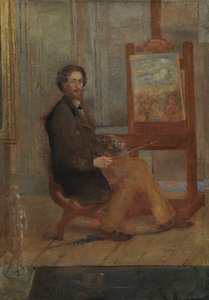
1860 - 1949 , ს ბელგია

Stop settling for sterile minimalism. Discover how bold Pop Art and Dopamine Decor can transform neutral interiors into high-impact, soulful spaces. Learn expert trend forecasting techniques to curate a sophisticated, vibrant collection that reflects your unique visual identity.

Ready to break the rules of minimalism? Discover why Expressionism is the ultimate trend for bold, high-impact interiors. Learn how to use raw energy, vibrant colors, and powerful brushstrokes to transform your space into a masterpiece of modern urban design.

Master the art of Dopamine Decor with our expert guide to styling bold Pop Art. Discover how to use vibrant colors, tactile maximalism, and high-impact textures to transform your modern interior into a joyful, sensory sanctuary.

Ditch the boring decor. Discover why Expressionist art is the ultimate vibe for your space. Explore bold colors, raw emotions, and how to commission custom, hand-painted masterpieces that transform your home into a high-impact gallery of pure, unfiltered energy.


ყოველთვის პირველი იყავით უახლესი ხელოვნების სიახლეების, ექსკლუზიური შეთავაზებებისა და დეკორაციის იდეების შესახებ ინფორმირებული.
გვიამარტეთ თქვენი პროექტის შესახებ და ჩვენი ხელოვნების ექსპერტები მოგაწვდით 3 პერსონალიზებულ რეკომენდაციას.
დაგვიძlinეთ სამი ვარიანტის შერჩევა სპეციალურად თქვენთვის – უფასოდ!


 წინასწარი ნახვა
 გაგზავნა
 გაზიარება
 დეტალები

 ჩამოტვირთვა
 მსგავსები
 რენტგენოგრაფიული კვლევა
 სლაიდშოუ

 გადასართად დაწვრილებით ნახეთ







 მინის ჩარჩოს არჩევანი ხელმისაწვდომია მხოლოდ 110 სმ-ზე ნაკლები ზომისთვის