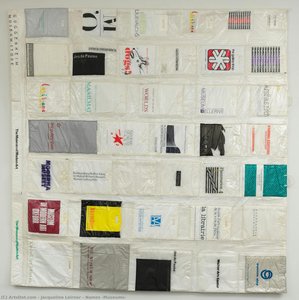
ტილოზე შესრულებული ფერწერიანი ზეთប្រდათი, თქვენთვის სასურველი ზომისა და ჩარჩოსთვის, ჩვენი ხელოვანების მიერ შეკვეთის საფუძველზე დამზადებული. ( შეიძინეთ პრინტი შეიძინეთ გამოსახულება)
აირჩიეთ ჩვენს მიერ წინასწარ განსაზღვრული ზომებიდან, რომლებიც ნაწარმოების ორიგინალურ პროპორციებს შეესაბამება.

თქვენ შეგიძლიათ მიუთითოთ თქვენთვის სასურველი ზომები კონკრეტული ჩარჩოს ან სივრცის შესაბამისად. თუ თქვენ მიერ არჩეული ზომა არ შეესაბამება ორიგინალი გამოსახულების პროპორციებს, ჩვენ ან შევაჭრებთ ნაწარმოებს, ან ტილოზე დავამატებთ ხელით მოხატულ ელემენტებს. წარმოების დაწყებამდე, დამტკიცებისთვის გამოგეგზავნებათ ციფრული მაკეტი.
გთხოვთ, გაითვალისწინოთ, რომ ეკრანზე ნაჩვენები წინასწარი შეხედულება არ ასახავს რეალურ შეჭრას ან გაფართოებას. საბოლოო კომპოზიციას ზუსტად მხოლოდ მაკეტი წარმოაჩენს.
მიუხედავად იმისა, რომ შესაძლებელია ინდივიდუალური ზომების შერჩევა, ორიგინალური პროპორციების შენარჩუნებისათვის გირჩევთ, გამოიყენოთ წინასწარ განსაზღვრული სიის ზომები.
მიწოდება მსოფლიო მასშტაბით -ში 3/4 კვირაში, სტანდარტული 5 კვირის ნაცვლად. (17 აგვისტო). ხარისხზე კომპრომისის გაკეთება არ მოხდება.


Titlepage
რეკლამაციის ზომა
Jan (or Johan) van Gool was born in The Hague, Netherlands in 1685. He emerged during a period of transition within Dutch art, following the peak of the Golden Age. Van Gool received his artistic training under the tutelage of two prominent painters: Simon van der Does and Mattheus terwesten. This foundational education shaped his early style and provided him with the skills necessary to pursue a career as both an artist and a writer.
Van Gool primarily specialized in Italianate landscapes – a popular genre during the 18th century that depicted idealized scenes inspired by the Italian countryside. While his paintings are not extensively represented in major museum collections today, they were appreciated within his time for their atmospheric qualities and skillful rendering of light and shadow. He became a member of the Confrerie Pictura in 1711.
Beyond his artistic practice, Van Gool actively participated in the art world as an administrator. From 1720 to 1734, he served first as a regent and then as director of the Hague Drawing School – a significant institution dedicated to fostering artistic talent. This role demonstrates his commitment to education and his standing within the Dutch artistic community.
Van Gool is most enduringly remembered for his biographical work, ‘De nieuwe schouburg der nederlantsche kunstschilders en schilderessen’ (translated as “The New Theatre of Dutch Painters and Paintresses”), published in The Hague in 1750. This comprehensive volume aimed to update and expand upon the earlier ‘Schouwburg’ compiled by his friend, Arnold Houbraken.
Van Gool’s work was influenced by the traditions of Dutch Golden Age biography, particularly that established by Karel van Mander and continued by Houbraken. However, he distinguished himself through his critical assessment of previous biographical accounts, notably pointing out what he considered unnecessary harshness in Houbraken's assessments.
The ‘Nieuw Schouburg’ remains a vital resource for art historians studying 17th and 18th-century Netherlandish art. It provides invaluable insights into the lives of artists, their artistic practices, and the broader cultural context in which they worked. While Van Gool's paintings may not be widely known today, his contribution to art historical scholarship ensures his lasting legacy.
Van Gool spent most of his time in The Hague but travelled to England twice and is recorded there in 1711. This travel likely influenced his artistic perspective and broadened his understanding of European art trends.

1685 - 1763 , Netherlands


ყოველთვის პირველი იყავით უახლესი ხელოვნების სიახლეების, ექსკლუზიური შეთავაზებებისა და დეკორაციის იდეების შესახებ ინფორმირებული.
გვიამარტეთ თქვენი პროექტის შესახებ და ჩვენი ხელოვნების ექსპერტები მოგაწვდით 3 პერსონალიზებულ რეკომენდაციას.
დაგვიძlinეთ სამი ვარიანტის შერჩევა სპეციალურად თქვენთვის – უფასოდ!


 წინასწარი ნახვა
 გაგზავნა
 გაზიარება
 დეტალები

 ჩამოტვირთვა
 მსგავსები
 რენტგენოგრაფიული კვლევა
 სლაიდშოუ
 გადასართად დაწვრილებით ნახეთ




































 მინის ჩარჩოს არჩევანი ხელმისაწვდომია მხოლოდ 110 სმ-ზე ნაკლები ზომისთვის