

ტილოზე შესრულებული ფერწერიანი ზეთប្រდათი, თქვენთვის სასურველი ზომისა და ჩარჩოსთვის, ჩვენი ხელოვანების მიერ შეკვეთის საფუძველზე დამზადებული. ( შეიძინეთ პრინტი შეიძინეთ გამოსახულება)





























აირჩიეთ ჩვენს მიერ წინასწარ განსაზღვრული ზომებიდან, რომლებიც ნაწარმოების ორიგინალურ პროპორციებს შეესაბამება.

თქვენ შეგიძლიათ მიუთითოთ თქვენთვის სასურველი ზომები კონკრეტული ჩარჩოს ან სივრცის შესაბამისად. თუ თქვენ მიერ არჩეული ზომა არ შეესაბამება ორიგინალი გამოსახულების პროპორციებს, ჩვენ ან შევაჭრებთ ნაწარმოებს, ან ტილოზე დავამატებთ ხელით მოხატულ ელემენტებს. წარმოების დაწყებამდე, დამტკიცებისთვის გამოგეგზავნებათ ციფრული მაკეტი.
გთხოვთ, გაითვალისწინოთ, რომ ეკრანზე ნაჩვენები წინასწარი შეხედულება არ ასახავს რეალურ შეჭრას ან გაფართოებას. საბოლოო კომპოზიციას ზუსტად მხოლოდ მაკეტი წარმოაჩენს.
მიუხედავად იმისა, რომ შესაძლებელია ინდივიდუალური ზომების შერჩევა, ორიგინალური პროპორციების შენარჩუნებისათვის გირჩევთ, გამოიყენოთ წინასწარ განსაზღვრული სიის ზომები.
მიწოდება მსოფლიო მასშტაბით -ში 3/4 კვირაში, სტანდარტული 5 კვირის ნაცვლად. (12 აგვისტო). ხარისხზე კომპრომისის გაკეთება არ მოხდება.


ABC
რეკლამაციის ზომა
Man Ray's “ABC,” created in 1947, isn’t merely a photograph; it’s an invitation to deconstruct visual language and embrace the inherent ambiguity of perception. Born Emmanuel Radnitzky, later known as Man Ray, was a pivotal figure in the Dada and Surrealist movements, constantly challenging conventional artistic boundaries. This particular piece exemplifies his innovative approach – a rayograph, a technique he pioneered where objects are placed directly onto photographic paper exposed to light, creating ethereal, ghost-like images. “ABC” isn’t about literal representation; it's about suggestion, mood, and the evocative power of form.
The composition itself is strikingly simple yet profoundly unsettling. A stark black background serves as a canvas for a single, luminous white "A" – not a solid shape, but rather an impression, a hazy outline that seems to shimmer with its own internal light. The letter’s edges are blurred and indistinct, lending it a dreamlike quality. Crucially, the “A” isn't complete; it’s subtly fragmented, as if struggling to fully materialize, mirroring perhaps the inherent incompleteness of language itself. This deliberate ambiguity is central to Ray’s artistic vision – he wasn’t interested in providing definitive answers but rather in prompting viewers to engage with the work on a deeply personal level.
Rayographs represent a radical departure from traditional photography. Instead of relying on lenses and cameras, Ray utilized light-sensitive paper and objects – feathers, leaves, cutouts, even his own body – to create images through exposure. This process bypassed the need for precise representation, allowing him to explore textures, patterns, and shadows in ways previously unimaginable. The resulting images possess a unique, almost otherworldly quality—a sense of mystery and suggestion that transcends literal meaning. The technique perfectly aligned with the Dadaist rejection of traditional values and embraced the potential of chance and accident as creative forces.
Ray’s mastery of rayography extended beyond simply placing objects on paper. He meticulously controlled the light source, experimented with different papers, and manipulated the placement of his subjects to achieve specific effects. “ABC” showcases this control beautifully; the soft glow emanating from the letter suggests a gentle, almost melancholic beauty. The lack of sharp detail forces the viewer to focus on the interplay of light and shadow, creating a visual experience that is both captivating and subtly unsettling.
While “ABC” appears deceptively straightforward, it’s rife with symbolic potential. The letter "A," representing beginning, identity, and assertion, is rendered ambiguous and incomplete—a potent visual metaphor for the challenges of self-definition in a rapidly changing world. The stark black background could symbolize emptiness or void, while the white “A” represents hope, illumination, or perhaps simply the fleeting nature of perception. Ray intentionally avoided providing explicit interpretations, encouraging viewers to project their own meanings onto the work.
Furthermore, the piece speaks to the broader themes explored by Dadaism and Surrealism—the questioning of established norms, the embrace of irrationality, and the exploration of the subconscious mind. “ABC” isn’t just a photograph; it's a meditation on language, perception, and the very nature of art itself. It invites us to reconsider our assumptions about representation and to appreciate the power of suggestion and ambiguity.
Man Ray’s “ABC” remains a remarkably relevant work today, captivating audiences with its innovative technique and profound philosophical implications. Reproductions offer an accessible way to experience this iconic piece in any setting, bringing a touch of Surrealist elegance to interiors and art collections alike. The photograph's ethereal quality and evocative symbolism make it a perfect addition to spaces seeking a sense of mystery, intellectual curiosity, and artistic sophistication. Its enduring appeal lies not just in its aesthetic beauty but also in its ability to spark dialogue and challenge our perceptions.

1890 - 1976 , ამერიკის შეერთებული შტატები

Explore photography's pivotal role in shaping modern & contemporary art. Discover key movements, influential artists like Stieglitz, and expert collecting advice from BuyPopArt.

Explore the rich history & artistic power of black and white photography. From early techniques to iconic masters like Ansel Adams, discover why monochrome continues to captivate art lovers today. Expert insights for collectors.
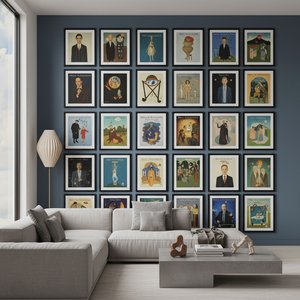
აღმოაჩინეთ რენე მაგრიტის 25 გამორჩეული შედევრი! სურრეალიზმის ისტორია, ფერების სიმბოლიკა და ხელოვნების უნიკალური სამყარო BuyPopArt.com-ზე. ხარისხიანი რეკონსტრუქციები თქვენი სახლისთვის. Explore the full collection online!

Explore the captivating world of Pictorialism – a pivotal movement that transformed photography into fine art. Discover key artists like Stieglitz & Käsebier, techniques, and collecting tips from experts.

Explore the profound history of documentary photography. From early daguerreotypes to social reform movements, discover how the lens captures truth, preserves vanishing cultures, and shapes our global visual narrative through an expert art-historical lens.


ყოველთვის პირველი იყავით უახლესი ხელოვნების სიახლეების, ექსკლუზიური შეთავაზებებისა და დეკორაციის იდეების შესახებ ინფორმირებული.
გვიამარტეთ თქვენი პროექტის შესახებ და ჩვენი ხელოვნების ექსპერტები მოგაწვდით 3 პერსონალიზებულ რეკომენდაციას.
დაგვიძlinეთ სამი ვარიანტის შერჩევა სპეციალურად თქვენთვის – უფასოდ!


 წინასწარი ნახვა
 გაგზავნა
 გაზიარება
 დეტალები

 ჩამოტვირთვა
 მსგავსები
 რენტგენოგრაფიული კვლევა
 სლაიდშოუ

 გადასართად დაწვრილებით ნახეთ







 მინის ჩარჩოს არჩევანი ხელმისაწვდომია მხოლოდ 110 სმ-ზე ნაკლები ზომისთვის


