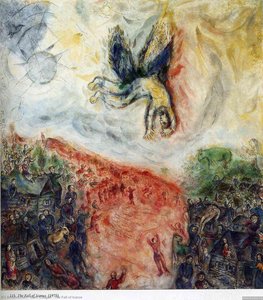
Acrylic On CanvasWallArtExpressionism
 1910
1910 34.0 x 24.0 cm
ტილოზე შესრულებული ფერწერიანი ზეთប្រდათი, თქვენთვის სასურველი ზომისა და ჩარჩოსთვის, ჩვენი ხელოვანების მიერ შეკვეთის საფუძველზე დამზადებული. ( გადართვა ბეჭდვაზე გადართვა სურათზე)





























აირჩიეთ ჩვენს მიერ წინასწარ განსაზღვრული ზომებიდან, რომლებიც ნაწარმოების ორიგინალურ პროპორციებს შეესაბამება.

თქვენ შეგიძლიათ მიუთითოთ თქვენთვის სასურველი ზომები კონკრეტული ჩარჩოს ან სივრცის შესაბამისად. თუ თქვენ მიერ არჩეული ზომა არ შეესაბამება ორიგინალი გამოსახულების პროპორციებს, ჩვენ ან შევაჭრებთ ნაწარმოებს, ან ტილოზე დავამატებთ ხელით მოხატულ ელემენტებს. წარმოების დაწყებამდე, დამტკიცებისთვის გამოგეგზავნებათ ციფრული მაკეტი.
გთხოვთ, გაითვალისწინოთ, რომ ეკრანზე ნაჩვენები წინასწარი შეხედულება არ ასახავს რეალურ შეჭრას ან გაფართოებას. საბოლოო კომპოზიციას ზუსტად მხოლოდ მაკეტი წარმოაჩენს.
მიუხედავად იმისა, რომ შესაძლებელია ინდივიდუალური ზომების შერჩევა, ორიგინალური პროპორციების შენარჩუნებისათვის გირჩევთ, გამოიყენოთ წინასწარ განსაზღვრული სიის ზომები.
მიწოდება მსოფლიო მასშტაბით -ში 3/4 კვირაში, სტანდარტული 5 კვირის ნაცვლად. (4 აგვისტო). ხარისხზე კომპრომისის გაკეთება არ მოხდება.


Butcher
რეკლამაციის ზომა
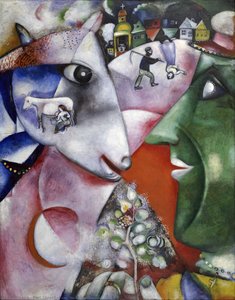
Marc Chagall’s 1910 painting, “Butcher,” isn’t merely a depiction of a man with a cleaver; it’s a vibrant plunge into the artist’s deeply personal and profoundly evocative world. Painted during a period of intense experimentation and stylistic evolution, this work embodies the core tenets of Expressionism while simultaneously retaining the unique, dreamlike quality that would become synonymous with Chagall's oeuvre. The painting immediately arrests the viewer with its bold color palette – a riot of blues, reds, yellows, and greens—a deliberate departure from the muted tones often associated with academic realism. This isn’t a photograph; it’s an emotional landscape rendered in pigment.
The subject himself is presented with arresting immediacy. The butcher, clad in a striking blue coat, dominates the composition, his face partially obscured by a long, flowing white beard. His posture suggests both focused concentration and a quiet intensity, hinting at the weight of responsibility and the physicality of his trade. He’s not idealized or romanticized; he's presented with raw honesty, reflecting Chagall’s fascination with everyday life and the dignity of labor. The inclusion of two birds – one perched delicately near the top left corner, another fluttering towards the bottom right – adds a layer of symbolic complexity, perhaps representing freedom, instinct, or the fleeting nature of existence within the confines of this rustic setting.
To truly understand “Butcher,” one must delve into Chagall’s formative years spent in Vitebsk, a city brimming with cultural confluence. Born Moishe Shagal in 1887, Chagall’s childhood was shaped by the vibrant tapestry of his Hasidic Jewish community – a world steeped in folklore, religious ritual, and deeply ingrained traditions. Vitebsk's unique blend of Russian Orthodox churches and bustling Jewish marketplaces provided a rich visual vocabulary for the young artist, informing his distinctive style. The painting subtly echoes this environment; the arrangement of objects, the use of color, and even the butcher’s attire all resonate with elements found in Chagall’s native landscape.
The presence of the birds is particularly significant within this context. Birds frequently appear in Chagall's work, often symbolizing hope, spirituality, or a longing for escape – themes deeply rooted in Jewish mysticism and folklore. Their placement within the scene suggests a connection between the earthly realm of the butcher’s trade and the spiritual aspirations of his community.
“Butcher” is firmly grounded in the principles of Expressionism, a movement characterized by its emphasis on subjective experience and emotional intensity. Chagall employs loose brushstrokes, distorted forms, and an unrestrained use of color to convey a sense of urgency and drama. The painting’s composition—the dynamic arrangement of objects, the exaggerated perspective—creates a feeling of instability and unease, mirroring the anxieties and uncertainties of the early 20th century. The gouache on paper medium lends itself beautifully to this expressive style, allowing for rich color saturation and textural variation.
Notably, Chagall’s use of color isn't merely decorative; it’s deeply symbolic. The dominant blues evoke a sense of melancholy or introspection, while the reds and yellows inject bursts of energy and vitality. This interplay of colors contributes to the painting’s overall emotional impact, creating a powerful visual narrative that transcends mere representation.
“Butcher” is more than just a portrait; it's a window into Chagall’s soul—a testament to his unwavering belief in the power of imagination and memory. It stands as a poignant reminder of his roots, his artistic evolution, and his enduring fascination with the human condition. Reproductions of this captivating work offer an exceptional opportunity to bring this evocative image into your home or office, allowing you to experience firsthand the emotional depth and artistic brilliance of one of the 20th century’s most beloved artists. BuyPopArt offers meticulously crafted hand-painted reproductions that faithfully capture the essence of Chagall's masterpiece, ensuring its beauty and significance endure for generations to come.
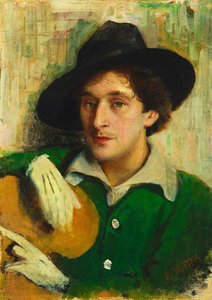
1887 - 1985 , Belarusi

აღმოაჩინეთ მარკ შაგალის 25 გამორჩეული შედევრი! ფერების პოეზია, სიყვარულის თემები და ისტორიული მნიშვნელობა. შეიძინეთ უმაღლესი ხარისხის ტილოები BuyPopArt.com-ზე და შექმნით თქვენი ოცნების ინტერიერი.
გაიცანით კლოდ მონეს 25 შედევრი! იმპრესიონიზმის ისტორია, წყლის ლილიებიდან გარეუბნის ხედებამდე. BuyPopArt-ში ნახატების უმაღლესი ხარისხის რეპროდუქციები და ინტერიერის დიზაინის იდეები. აღმოაჩინეთ ხელოვნების სილამაზე ონლაინ!
Immerse yourself in the captivating world of slate blue! Explore 10 iconic paintings by Monet, Van Gogh & Renoir. Discover their stories, techniques & find museum-quality art reproductions for your home at .
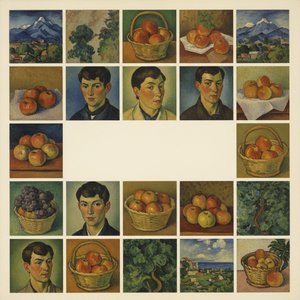
აღმოაჩინეთ პოლ სეზანის 25 გამორჩეული შედევრი! იმპრესიონიზმი, პოსტიმპრესიონიზმი და კუბიზმის წინასწარმეტყველი. ნახატების ისტორია, ტექნიკა და შთაგონება BuyPopArt.com-ზე. 🖼️ ხელოვნების ბეჭვრა მუზეუმის ხარისხით.

Explore 10 iconic artworks – from Monet to Matisse – that masterfully use color! Discover the stories behind these vibrant paintings, their techniques & emotional impact. Find museum-quality art reproductions and inspiring decor ideas on BuyPopArt.com.


ყოველთვის პირველი იყავით უახლესი ხელოვნების სიახლეების, ექსკლუზიური შეთავაზებებისა და დეკორაციის იდეების შესახებ ინფორმირებული.
გვიამარტეთ თქვენი პროექტის შესახებ და ჩვენი ხელოვნების ექსპერტები მოგაწვდით 3 პერსონალიზებულ რეკომენდაციას.
დაგვიძlinეთ სამი ვარიანტის შერჩევა სპეციალურად თქვენთვის – უფასოდ!


 წინასწარი ნახვა
 გაგზავნა
 გაზიარება
 დეტალები

 ჩამოტვირთვა
 მსგავსები
 რენტგენოგრაფიული კვლევა
 სლაიდშოუ
 გადასართად დაწვრილებით ნახეთ







 მინის ჩარჩოს არჩევანი ხელმისაწვდომია მხოლოდ 110 სმ-ზე ნაკლები ზომისთვის